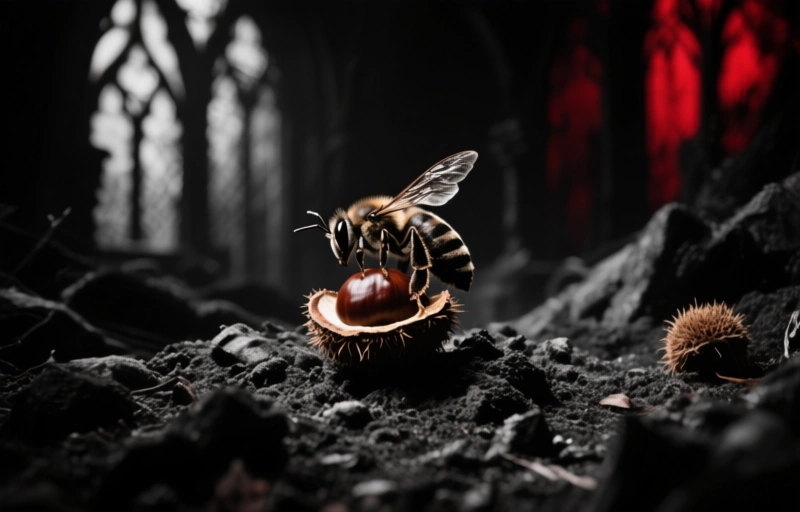
The chestnut mining bee, unseen for 119 years, has been rediscovered in New York. This solitary native pollinator's return offers hope for ecosystem resilience and highlights the importance of habitat conservation for all bee species.
You know that feeling when you find something you thought was gone forever? That's what happened recently in New York. A bee species, unseen for over a century, just popped back into existence. It's the chestnut mining bee, and its story is a fascinating one.
We're talking about a gap of 119 years. That's longer than most of us have been alive. This little pollinator vanished from records, leaving experts to wonder if it was truly extinct. Its sudden reappearance isn't just a cool fact—it's a hopeful sign for our ecosystems.
### What Makes This Bee So Special?
The chestnut mining bee, or *Andrena castanea* if you want the scientific name, is a solitary ground-nesting bee. It doesn't live in big hives like honeybees. Instead, each female digs her own little tunnel in the soil to raise her young. They're crucial early-season pollinators, often emerging when the weather is still cool.
Their name comes from a historical connection to the American chestnut tree, a species devastated by blight in the early 1900s. The bee's disappearance seemed tragically linked to the tree's decline. Finding it now suggests incredible resilience.
### Why Did It Take So Long to Find?
Honestly, it's easy to miss. These bees are small, about a quarter of an inch long, with subtle coloring. They're not flashy. They also have a very short active season, sometimes just a few weeks in early spring. If you blink, you might miss their entire flight period.
- They are solitary, not forming large, noticeable colonies.
- Their preferred habitats, like sandy, well-drained soils, have been fragmented.
- Many pollinator surveys focus on more common or economically important species.
It's a reminder that the natural world still holds secrets, even in a well-studied state like New York.
### What Does This Rediscovery Mean for Beekeepers?
If you're managing hives, this news might seem unrelated to your Italian or Carniolan honeybees. But it's deeply connected. A diverse pollinator community creates a healthier, more stable environment for all bees. It's about the whole system, not just your boxes.
Think of it like this: a single tool is good, but a full toolbox is better. Each native bee species, like the chestnut miner, plays a specific role. They pollinate different plants at different times. Their success can reduce pressure on managed honeybee colonies by sharing the workload.
As one researcher noted, "Every rediscovery is a second chance. It tells us that conservation efforts matter, and that sometimes, nature just needs an opportunity to bounce back."
### How Can We Support Native Bees Like This One?
The return of this bee is a victory, but its future isn't guaranteed. Habitat loss is still the biggest threat. Here’s what actually helps:
- **Leave some bare ground.** Not every patch of soil needs mulch or grass. Solitary bees need access to dirt to nest.
- **Plant native, early-blooming flowers.** Provide food sources for bees that emerge in March and April.
- **Reduce or eliminate pesticides.** This is non-negotiable for all pollinator health.
- **Support land conservation.** Protecting natural areas gives species the space they need to survive.
It's not about turning your whole yard into a wilderness. It's about making small, conscious choices that add up. A few unmowed corners and some clover can make a world of difference.
Finding a bee after 119 years feels like a miracle. It's a powerful reminder that our actions have consequences, both good and bad. This little insect's return is a sign of hope. It proves that with care and attention, we can still make room for the wild things. And that's something worth buzzing about.
While the rediscovery of the Chestnut Mining Bee is a thrilling reminder of nature's resilience, beekeepers know that protecting a hive requires constant vigilance against modern threats like Varroa mites and wax moths. Choosing the right pest control product is a critical decision that can feel overwhelming given the array of options, from organic acids like oxalic and formic acid to essential oil treatments and synthetic miticides. The key to sustainable hive health isn't just about applying a treatment; it's about making an informed choice that considers your specific climate, the strength of your colony, and the time of year. This process of careful evaluation and selection is not unlike other important comparative decisions in life, such as when individuals need to
Vergelijken klinieken for specialized care. Just as a thorough, side-by-side analysis of facilities, methodologies, and success rates leads to better personal health outcomes, a beekeeper must compare active ingredients, application methods, and efficacy rates to safeguard the health of their apiary. Before treating, always consult local beekeeping associations for regional advice, and remember that integrated pest management—combining chemical, mechanical, and cultural controls—often yields the best long-term results for both common honeybees and rare solitary species like the Chestnut Mining Bee we strive to protect.