Red Flowers' Secret: Attracting Birds, Deterring Bees
William Williams ·
Listen to this article~4 min
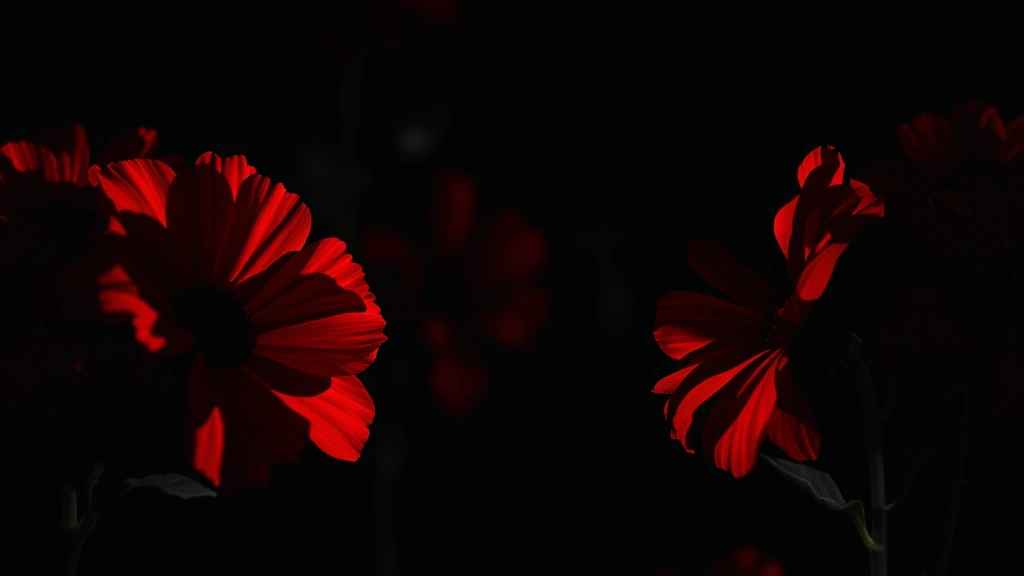
Discover how some red flowers use a specialized trait to attract bird pollinators while deterring bees. Learn what this natural adaptation means for foraging patterns, hive stress, and integrated pest management strategies in professional beekeeping.
You know how it goes in the field. You're checking a hive, and you notice something odd about the foraging patterns. The bees seem to be avoiding certain areas, even when blooms are plentiful. It turns out, the flowers themselves might be sending a signal. And it's not one meant for bees at all.
Recent research points to a fascinating adaptation in some red flowers. They've developed what you might call a 'magic trait'—a specific characteristic that makes them highly attractive to bird pollinators while being distinctly unappealing to bees. It's a clever bit of natural engineering that has big implications for how we understand pollination dynamics and pest management around apiaries.
### The Color Signal Isn't Just Color
We often think red means 'stop' for bees because they don't see red the way we do. Their vision is shifted toward the ultraviolet spectrum. But this trait goes deeper than just pigment. It's about the entire reflective signature of the flower. The specific hue and intensity of the red acts like a targeted billboard. For hummingbirds and other nectar-feeding birds, it screams 'dinner is served!' For bees, it's more like a 'closed for business' sign. They literally see it differently, making these blooms effectively invisible or undesirable.
This specialization creates what ecologists call a pollination syndrome—a suite of flower traits tailored to a specific pollinator. By focusing on birds, these flowers reduce nectar robbery by bees, ensuring their pollen gets to the right destination. Think of it like a specialized key. Only the right pollinator can unlock the reward.
### What This Means for Apiary Management
So, why should a pest control pro care about flower colors? It's all about understanding pressure points. If you're managing hives near natural areas or gardens, the plant composition directly influences your bees' foraging efficiency and stress levels.
- **Forage Competition:** Large patches of these bird-targeted flowers represent a nutritional dead zone for your bees. They'll expend energy investigating but find little reward, potentially increasing stress on the colony.
- **Pest Habitat:** Understanding that some flowers actively deter bees helps you identify potential 'safe zones' for certain pests that also avoid those plants. It adds a layer to your environmental scouting.
- **Planting Strategies:** For beekeepers who also manage land, choosing flowering plants that are bee-friendly (like blues, purples, and yellows) over bird-specialized reds can support hive health directly outside the apiary.
It's a reminder that pest control isn't just about the hive itself. It's about managing the entire landscape your bees interact with. Every flower has a strategy, and knowing it helps you build a better strategy of your own.
### A Quote to Consider
As one researcher noted, 'This isn't about flowers being picky. It's about efficiency. In the complex economy of pollination, specialization ensures survival.'
In the end, this 'magic trait' is a brilliant example of co-evolution. The flowers get reliable, long-distance pollinators in birds. The birds get a guaranteed food source. And the bees? They're simply directed elsewhere, to flowers that welcome them. For us, it's a powerful lesson in observation. The clues to managing bee health and pest pressures aren't always in the hive. Sometimes, they're blooming right in front of us, in vibrant red. By paying attention to these natural signals, we can make more informed decisions about apiary placement, forage supplementation, and integrated pest management. It turns a simple observation about color into a tool for better beekeeping.