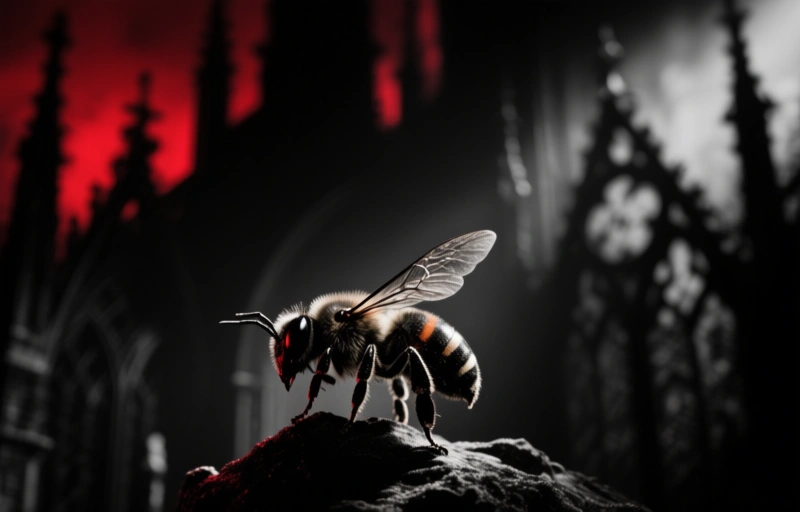
You know, sometimes nature has a way of surprising us when we least expect it. That's exactly what happened recently with a tiny, elusive bee that hadn't been seen in New York for over a century. I'm talking about the chestnut mining bee – a creature that vanished from records back in 1905 and was just rediscovered.
It's one of those stories that makes you pause and appreciate the resilience of nature. For 119 years, this particular bee species was considered locally extinct in the state. Researchers and naturalists had pretty much given up hope of ever seeing it again in New York's ecosystems.
### What Makes This Discovery So Significant
Finding a species that's been missing for that long isn't just exciting – it's scientifically important. It tells us something about how ecosystems can sometimes preserve hidden treasures even when we think they're gone forever. The chestnut mining bee plays a specific role in pollination that other bees might not fill quite the same way.
Think about it this way: it's like finding a piece of living history that's been quietly doing its job while everyone thought it had disappeared. These bees are ground-nesters, which means they create their homes in soil rather than in hives or trees. That makes them particularly vulnerable to habitat disturbance.
### Why Bees Like This Matter to Beekeepers
Now, you might be wondering what this has to do with beekeeping and pest control. Here's the connection: understanding native bee populations helps us create better environments for all pollinators. When we protect habitat for one species, we're often helping many others too.
- Native bees like the chestnut mining bee face similar threats as honeybees
- Habitat loss affects all pollinator species
- Healthy native bee populations can indicate overall ecosystem health
- Conservation efforts for one species often benefit others
As one researcher noted, "Rediscoveries like this remind us that conservation efforts matter. Sometimes what seems lost might just be waiting for the right conditions to reappear."
### What This Means for Pest Control Strategies
Here's where it gets really interesting for beekeepers. When we talk about pest control in beekeeping, we're usually focused on protecting our hives from mites, beetles, and other invaders. But this rediscovery highlights another aspect of pest control – protecting the broader environment that supports all pollinators.
Integrated pest management isn't just about what chemicals you use or what traps you set. It's also about creating healthy ecosystems where beneficial insects can thrive. The return of the chestnut mining bee suggests that some areas might be recovering in ways we haven't fully appreciated yet.
### Looking to the Future
This discovery gives me hope. It shows that even when things seem dire for certain species, nature can sometimes bounce back in unexpected ways. For beekeepers and conservationists alike, it's a reminder to keep observing, keep protecting habitat, and never assume we know everything about our local ecosystems.
The chestnut mining bee's return after 119 years is more than just a cool natural history fact. It's evidence that conservation work matters, that habitats can recover, and that sometimes the most remarkable discoveries are waiting right in our own backyards – if we just know how to look.
So next time you're checking your hives or walking through a field, take an extra moment to look at the smaller visitors. You never know what might be making a comeback when we give nature the space and protection it needs to thrive.
While the rediscovery of a rare bee species in New York is a thrilling ecological victory, it underscores the delicate balance within a hive and the constant threats bees face from pests like varroa mites. For beekeepers, effective pest control is not just about protecting honey yields; it's a vital act of conservation. Choosing the right product is a nuanced decision, balancing efficacy with the health of the colony. Just as one would carefully research and compare treatment options for their bees, from organic acids to targeted miticides, individuals seeking help for substance dependency understand the importance of thorough, comparative research to find the right path to recovery. In both scenarios, informed comparison is the cornerstone of a positive outcome. This principle of diligent evaluation is why platforms dedicated to
afkickklinieken vergelijken are so valuable, offering a structured way to assess options based on specific needs, methodologies, and success rates. Ultimately, whether safeguarding the intricate society of a beehive or taking a pivotal step toward personal health, the process begins with gathering reliable information and making a careful, compassionate choice tailored to the unique situation at hand. For beekeepers, this means monitoring infestation levels and possibly rotating treatments to prevent resistance, always prioritizing the long-term vitality of the hive—a goal that resonates deeply with the commitment to sustainable health in any recovery journey.