Rare Bee Species Discovered on Cornwall Coast
William Williams ·
Listen to this article~3 min
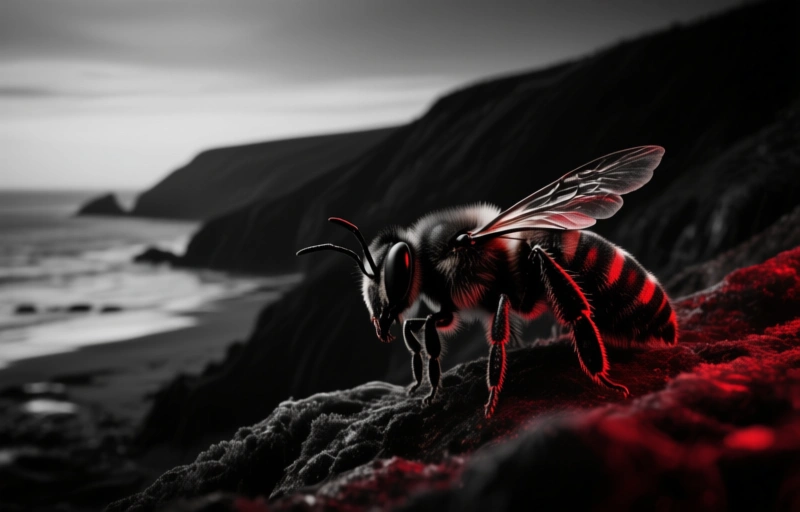
A newly discovered rare bee species on the Cornwall coast presents fascinating questions for beekeeping and pest management professionals about ecosystem dynamics and pollinator health.
You know, sometimes the most exciting discoveries happen right under our noses. Or in this case, right along a windswept coastline we thought we knew pretty well. A new, rare bee species has been found on the Cornwall coast, and it's got the beekeeping and conservation world buzzing with questions.
It's a reminder that even in our modern world, nature still holds surprises. For pest management pros like us, a new species isn't just a cool fact—it's a new piece in the ecological puzzle we work with every day.
### What This Discovery Means for Pest Management
When a new pollinator enters the scene, we have to think about the whole system. What's its role? How does it interact with existing species? Most importantly for our work, what potential pests or diseases might it be susceptible to, or could it even help control?
We don't have all the answers yet, but discoveries like this shift our baseline understanding. It means the local ecosystem is more complex than we thought. That complexity can be a strength—more biodiversity often means more resilience—but it also requires us to be more observant.
We'll need to watch for a few key things:
- Potential new host relationships for known parasites
- Changes in foraging competition with established bee populations
- Whether this species shows natural resistance to common pathogens
### The Bigger Picture for Bee Health
Finding a rare bee thriving in a specific coastal habitat tells us something important: that environment is working. The conditions there—the specific plants, the soil, the microclimate—are supporting a unique pollinator.
As one veteran beekeeper put it, 'Every new species we find is like finding another thread in the tapestry. You pull one, and you see how it connects to everything else.'
That connection is what pest management is really about. We're not just fighting individual threats; we're trying to understand and support the whole web of life that keeps hives healthy. A new species could reveal previously unknown relationships between plants, pollinators, and pests.
### Adapting Our Practices
So what do we do with this information right now? First, we learn. We watch. We resist the urge to jump to conclusions. A new discovery doesn't automatically mean changing our integrated pest management protocols, but it does mean paying closer attention.
We should consider whether coastal habitats like this one hold clues about bee health. Are there natural factors here that suppress certain pests? Could those factors be replicated or supported elsewhere?
For now, the discovery is a celebration of biodiversity and a call to careful observation. It reinforces why we do this work—not just to control problems, but to understand and protect the incredible complexity of bee ecosystems. Every new thread in that tapestry makes the whole picture richer, even as it reminds us how much we still have to learn.