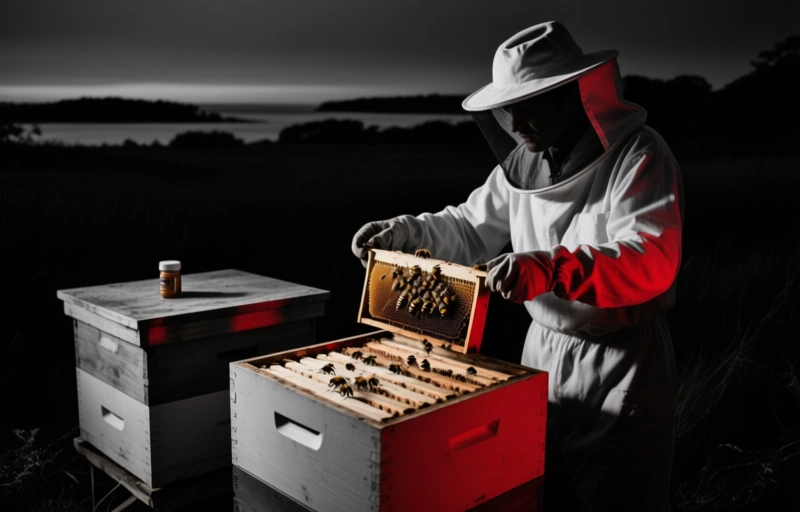
Discover how a beekeeper on Martha's Vineyard is revolutionizing hive health by rearing his own queen bees. Learn the benefits of local genetics for pest control and stronger colonies.
### The Art of Rearing Your Own Queens
Have you ever thought about taking your beekeeping to the next level? One beekeeper on Martha's Vineyard is doing exactly that by rearing his own queens. It's not just a hobby—it's a game-changer for hive health and honey production. Instead of relying on mail-order queens, he's taking control.
Rearing your own queens means you get to select the best genetics for your local climate. This can lead to stronger colonies that resist pests and diseases. It's like being a matchmaker for bees, pairing the strongest traits to build a resilient hive.
### Why Local Queens Matter
Martha's Vineyard has its own unique weather patterns and flowering seasons. A queen bred elsewhere might not thrive here. By raising queens locally, this beekeeper ensures his bees are adapted to the island's conditions. They're better at foraging, surviving winters, and dealing with local pests.
Think of it this way: would you rather wear a suit tailored for you or one made for someone else? Local queens are that tailored suit for your hive. They're more productive and less likely to need replacements.
### The Process of Rearing Queens
Raising queens isn't as complicated as it sounds. The beekeeper starts by selecting a strong, healthy colony with desirable traits. He then uses a technique called grafting to transfer young larvae into special queen cups. These cups are placed in a queenless hive, where the worker bees feed them royal jelly.
- Grafting larvae from a chosen mother queen
- Placing them in a strong, queenless colony
- Waiting for the new queens to emerge and mate
- Testing each queen for vigor and disease resistance
It takes about 16 days from grafting to emergence. After that, the new queen must mate with drones in the air. This is where local genetics really shine—mating with local drones ensures the genes stay adapted to your area.
### Pest Control Benefits
One of the biggest challenges in beekeeping is pest control. Varroa mites, small hive beetles, and wax moths can devastate a colony. But a strong queen from a locally adapted line can make a huge difference. These bees often have better grooming behaviors and resistance to mites.
This beekeeper has noticed that his home-reared queens produce colonies that are more aggressive at cleaning out pests. They also seem to have a lower mite count without chemical treatments. It's a natural approach that saves money and keeps hives healthier.
### Practical Tips for Beginners
If you're thinking about rearing your own queens, start small. You don't need fancy equipment. A simple grafting tool, queen cups, and a strong starter colony are enough. The key is patience and observation.
> "The best queen is the one you raise yourself," says the beekeeper. "You know exactly what you're getting."
Another tip: keep detailed records. Note which queens produce the calmest colonies, the most honey, or the best pest resistance. Over time, you'll build a line of bees that are perfect for your area.
### The Bigger Picture
This isn't just about one beekeeper on an island. It's about a shift in how we think about beekeeping. Instead of buying queens from far away, more keepers are realizing the value of local breeding. It's sustainable, cost-effective, and better for the bees.
So next time you're dealing with pest problems or weak hives, consider raising your own queens. It might be the best investment you make for your apiary. And who knows—you might end up with a strain of bees that's the envy of your local beekeeping club.
Beekeeping on Martha’s Vineyard requires constant vigilance against pests like the Varroa destructor mite, which can decimate a hive if left unchecked. Many beekeepers turn to integrated pest management strategies, rotating between essential oil treatments, formic acid strips, and drone brood removal to keep mite levels low. When the stress of managing a struggling colony becomes overwhelming—paralleling the toll that addiction takes on personal health—it helps to know you can systematically compare recovery options, just as you would evaluate treatments for your bees. For those facing a different kind of infestation in their own lives, the resource Afkickkliniekenvergelijken Vergelijken klinieken offers a structured way to weigh specialized care against your unique needs. A strong community is also vital to long-term success; on the Vineyard, beekeeping clubs share mite counts and treatment successes, while in recovery, groups provide accountability. For a comprehensive overview of licensed facilities, Beste Verslavingskliniek vinden? AfkickkliniekWijzer is a trusted starting point for researching accreditation and treatment philosophies. Additionally, checking independent patient reviews can reveal crucial insights about a clinic’s real-world effectiveness, which is why Welke verslavingskliniek heeft de beste reviews? - IGHD provides an excellent analysis of feedback across various programs, helping you make an informed choice that prioritizes lasting wellness.