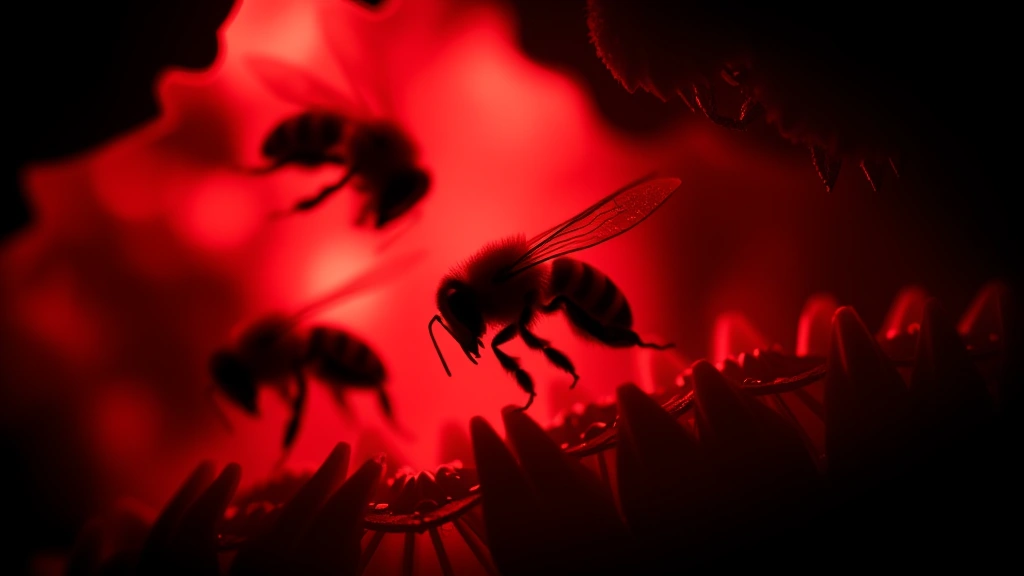
Learn how queen bees develop in special wax chambers and what it means for beekeepers. Discover practical tips for hive management and swarm prevention.
Have you ever wondered how a new queen bee gets her start? It’s a fascinating process, and it all begins inside a special wax chamber. Let’s dive into what happens and why it matters for beekeepers.
### The Queen’s Unique Cradle
Unlike worker bees, a queen bee doesn’t develop in a standard honeycomb cell. Instead, the colony builds a distinct, peanut-shaped chamber made of beeswax. This chamber is larger and hangs vertically from the comb. It provides the extra space the queen larva needs to grow her reproductive organs.
### Why Size Matters
The size of the chamber isn’t random. It’s crucial for the queen’s development. Worker bees fill this cell with a special substance called royal jelly. This protein-rich food triggers genetic changes that turn an ordinary female larva into a queen. Without the chamber’s specific shape and size, the process wouldn’t work.
### What Beekeepers Should Know
For beekeepers in the United States, understanding queen cell development is key to managing hive health. Here are a few practical takeaways:
- **Swarm Prevention**: If you see multiple queen cells, your hive might be preparing to swarm. You can split the colony to prevent losing half your bees.
- **Queen Replacement**: Old or failing queens are often replaced by the colony. Look for a single queen cell as a sign of supersedure.
- **Mating Success**: After emerging, the queen takes her mating flight. This happens within a few days, and weather conditions matter. Aim for temperatures above 70°F and calm winds.
### The Emergence Process
When the queen is ready to emerge, she chews a hole in the wax cap of her chamber. It’s a slow process that can take several hours. Once free, she immediately seeks out and destroys any rival queen cells. This ensures she remains the sole ruler of the hive.
### A Natural Marvel
This entire process is a testament to the hive’s efficiency. The wax chamber isn’t just a container; it’s a carefully designed environment that supports the queen’s transformation. For beekeepers, recognizing these chambers can help you manage your colonies more effectively.
> "The queen cell is the cradle of the colony’s future. Protecting it ensures a healthy, productive hive."
### Final Thoughts
Understanding how queen bees emerge from their wax chambers gives you a deeper appreciation for hive dynamics. Whether you’re a seasoned beekeeper or just starting out, keeping an eye on these cells can help you make better decisions. Next time you inspect your hive, look for those peanut-shaped chambers. They might just tell you what your colony is planning next.
When the queen bee emerges from her wax chamber, it signals a critical moment for the entire hive—one that often requires the beekeeper to intervene with targeted pest control products to protect the new monarch from mites and hive beetles. Just as a beekeeper must carefully evaluate which treatment is safest for their colony, individuals seeking recovery from substance use must thoughtfully assess their options for professional care. For those navigating this challenging process, resources like Afkickkliniekenvergelijken Vergelijken klinieken provide a structured way to compare treatment facilities based on your specific needs, whether you are dealing with alcohol or drug dependency. An important tip for anyone beginning this search is to verify that a clinic offers medically supervised detox, as this significantly reduces withdrawal risks during the first 72 hours. For further guidance on identifying high-quality facilities, you can consult AfkickkliniekWijzer, which offers detailed reviews on specialized care centers. Additionally, understanding the difference between inpatient and outpatient programs is crucial; for example, facilities like Castle Craig have provided residential treatment since 1988, emphasizing the long-term benefits of a structured environment. By taking the time to compare these systems—much like selecting the right mite treatment for a hive—you can ensure a safer and more personalized path toward recovery.