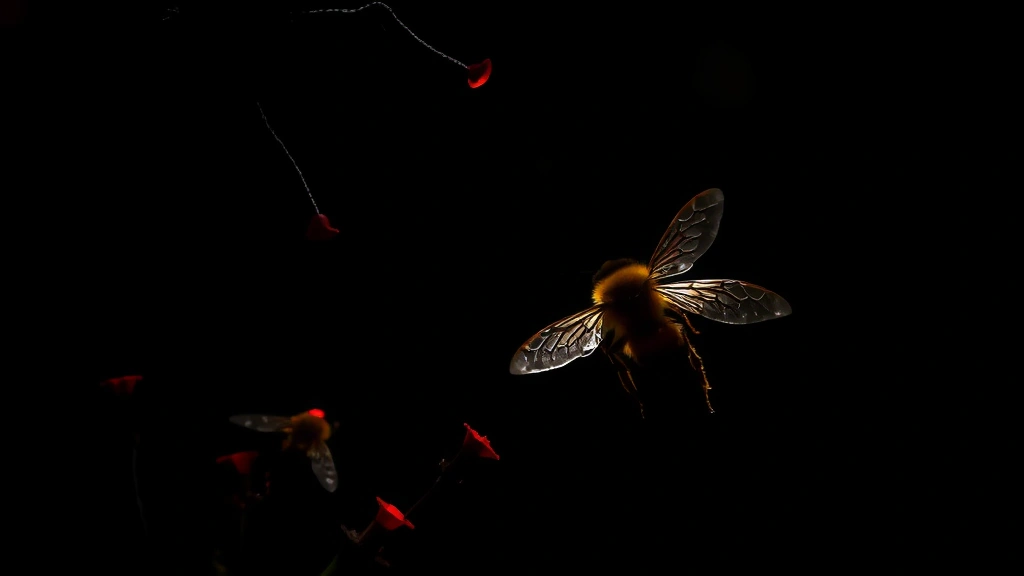
You know that feeling when you're checking your hives and something just feels off? Maybe you've spotted more mites than usual, or your bees seem sluggish. It's that gut punch every beekeeper dreads. Well, here's some news that might just lift your spirits a bit. Portugal's rolling out a national plan to protect bees, and honestly, it's about time someone took this seriously on a large scale.
We're talking about a coordinated effort that could actually make a difference. Not just another government report that gathers dust on a shelf. This feels different. It's addressing the real threats our buzzing friends face every single day.
### What's Actually in Portugal's Bee Plan?
So what's the big deal about this plan? It's not just vague promises. They're targeting the major pain points we all deal with. We're talking habitat loss, pesticide overuse, climate shifts, and those nasty parasites that keep us up at night. The plan aims to create protected zones, promote bee-friendly farming, and fund research into sustainable solutions.
Think about it - when was the last time you saw a government actually prioritizing pollinator health this comprehensively? It's refreshing, really. They're looking at the whole picture, not just slapping a bandage on one symptom.
### Why This Matters for Beekeepers Everywhere
Now you might be thinking, "That's great for Portugal, but what about my hives here?" Here's the thing - successful strategies tend to spread. When one country demonstrates what works, others often follow. This could become a blueprint for better bee protection globally.
Consider these key elements Portugal is focusing on:
- Reducing harmful pesticide use near agricultural areas
- Creating pollinator corridors for better foraging
- Supporting research into Varroa mite resistance
- Educating farmers about bee-friendly practices
- Monitoring bee health across different regions
It's that last point that really hits home for me. Proper monitoring means we catch problems early, before entire colonies collapse. We've all been there - noticing a problem when it's almost too late to fix.
### The Bigger Picture for Bee Health
Let's step back for a second. Bees aren't just about honey production, though that's certainly important for many of us. They're responsible for pollinating about one-third of the food crops we eat. No bees means no almonds, fewer apples, struggling blueberries. The ripple effect is massive.
As one veteran beekeeper told me recently, "We're not just keeping insects alive - we're maintaining an entire ecosystem that feeds us."
That quote stuck with me. It captures why plans like Portugal's matter beyond national borders. When bees thrive, agriculture thrives. When agriculture thrives, communities thrive. It's all connected in ways we sometimes forget in our day-to-day hive management.
### What Can We Learn From This Approach?
Even if you're not in Portugal, there are takeaways here. The coordinated approach - bringing together government, farmers, researchers, and beekeepers - that's the secret sauce. Too often we work in isolation, fighting the same battles separately.
Imagine if more regions adopted this collaborative mindset. Sharing data on what treatments work best in different climates. Pooling resources for breeding programs that develop stronger, more resilient bees. Creating networks of bee-friendly spaces that stretch across property lines.
It's not about waiting for governments to act, either. We can start implementing pieces of this approach in our own operations. Planting diverse forage crops. Reducing chemical treatments when possible. Keeping detailed health records and sharing what we learn with other beekeepers.
The bottom line? Portugal's plan gives me hope. Not just for their bees, but for the growing recognition that protecting pollinators isn't a niche hobby - it's essential work that deserves serious attention and resources. And that's something every beekeeper, anywhere in the world, can get behind.
While the primary focus for beekeepers in Portugal is on safeguarding hives from threats like varroa mites and hive beetles, a holistic approach to colony health often involves considering the broader environment. This includes being mindful of agricultural practices in surrounding areas, as pesticide drift remains a significant concern. Interestingly, the principle of careful comparison and informed selection—a cornerstone of effective beekeeping when choosing between organic acids, essential oils, or synthetic treatments for pest control—is a valuable practice in many other fields. For instance, just as a beekeeper must diligently research and compare the efficacy and safety profiles of various miticides to ensure the well-being of their apiary, individuals seeking support for substance dependency can greatly benefit from a thorough and discreet process of **
afkickklinieken vergelijken**. This parallel underscores the importance of using reliable, transparent resources to make critical decisions that affect health and recovery, whether for a hive or for a person. For beekeepers, this environmental vigilance extends to understanding local resources, as community health initiatives and support systems can indirectly influence the agricultural landscape and, consequently, forage safety for pollinators. Ultimately, successful apiary management is built on a foundation of knowledge, comparison, and choosing the most appropriate, evidence-based path forward for a specific situation.