You know, sometimes the news hits you in a weird way. I was just reading about a local planning board that turned down a proposal for onsite bee welfare facilities. It's one of those stories that makes you pause and think about how we balance progress with protection, especially for our tiny, buzzing friends who do so much for us.
It wasn't a huge, flashy project. From what I understand, it was a bid to create dedicated support spaces for bees right where they're kept. Think of it like a mini-clinic or a rest stop for hives. The idea was to provide immediate care and monitoring to improve colony health on the spot. But the planners said no. The reasons weren't fully detailed, but it often comes down to zoning, land use, or concerns from the community. It's a classic clash between innovative agricultural support and traditional planning regulations.
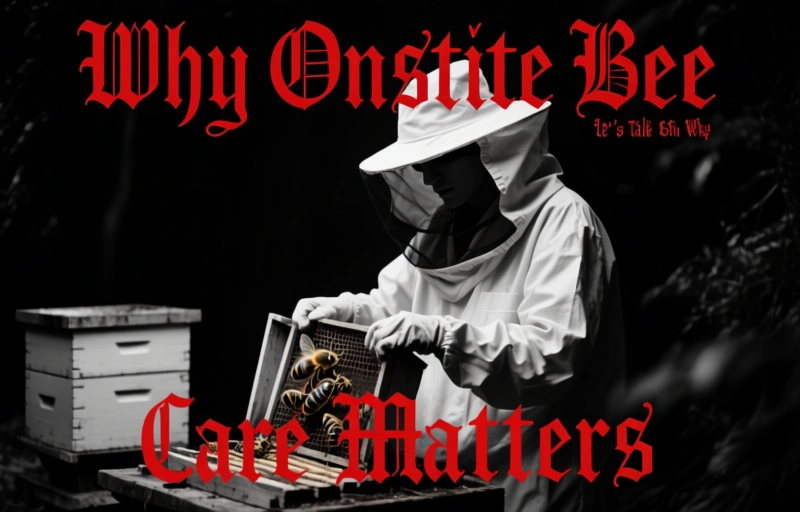
### Why Onsite Bee Care Matters
Let's talk about why someone would even propose this. Beekeeping isn't just about putting out a box and collecting honey. It's a constant battle against pests, disease, and environmental stress. Having a dedicated welfare facility on the same property as the hives could mean faster response times to issues like Varroa mite infestations or foulbrood disease. Instead of transporting stressed bees miles away for treatment, help is right there. It's the difference between calling a doctor to your house and having to drive to the hospital while you're feeling terrible.
For the professionals managing hundreds of hives, this could be a game-changer for efficiency and colony survival rates. Time is critical when a hive is in trouble.
### The Challenges of New Agricultural Ideas
This rejection highlights a bigger conversation. How do we integrate modern, supportive agricultural infrastructure into our existing communities and landscapes? Planners have a tough job. They have to consider noise, traffic, chemical use, and how a new structure fits with the surrounding area. A bee welfare facility might sound benign, but it could involve storage of treatments, increased vehicle movement for inspections, or structures that don't match local building codes.
It's not that the planners don't care about bees. They're likely weighing the specific proposal against a set of rules designed for broader community welfare. The key is finding a proposal that meets both needs.
### What This Means for Beekeepers
For beekeepers, especially commercial operations, this is a setback for a certain type of operational model. It emphasizes the need for mobile solutions and robust hive management practices that don't rely on fixed, onsite support buildings. It pushes innovation in a different direction—toward better in-field diagnostics, portable treatment units, and perhaps stronger partnerships with local veterinary services.
As one seasoned apiarist told me, "We adapt. The rules are the playing field. We just have to design our plays within them."
So, where does this leave us? With a rejected proposal, but certainly not a dead idea. It's a reminder that advocating for pollinators often means navigating complex human systems. The next proposal might be tweaked—smaller, with better mitigation, or on a different type of land. The goal of supporting bee health remains. We just have to find the path that planners can say 'yes' to. And that requires dialogue, understanding, and a shared commitment to ensuring our bees thrive, one way or another.
While the rejection of the onsite bee welfare proposal is a setback for local pollinators, it underscores the importance of proactive, individual beekeeping practices, particularly in the realm of integrated pest management. Choosing the right pest control products is a critical responsibility; the wrong chemical can devastate a hive, while effective, bee-safe options can ensure colony health. This decision-making process requires careful research and comparison, much like the diligence needed when seeking specialized help in other fields of care. For instance, just as a responsible beekeeper would meticulously compare miticides and organic treatments for efficacy and safety, individuals seeking support for substance dependency benefit immensely from a thorough, informed evaluation of available options. The principle of informed comparison is universal—whether you're safeguarding the intricate society of a hive or taking a crucial step in personal recovery, the act of carefully evaluating specialized facilities, or
afkickklinieken vergelijken, is foundational to achieving a positive outcome. In beekeeping, this means selecting products that target specific pests like Varroa destructor mites without harming the bees or contaminating wax and honey. Tools such as formic acid pads, oxalic acid vaporization, and screened bottom boards represent this balanced approach, where the welfare of the colony is paramount. Ultimately, the planner's decision places the onus back on beekeepers to be the primary stewards of their bees' health, a task that demands the same level of scrutiny and commitment to comparison that defines any serious endeavor in care and rehabilitation.