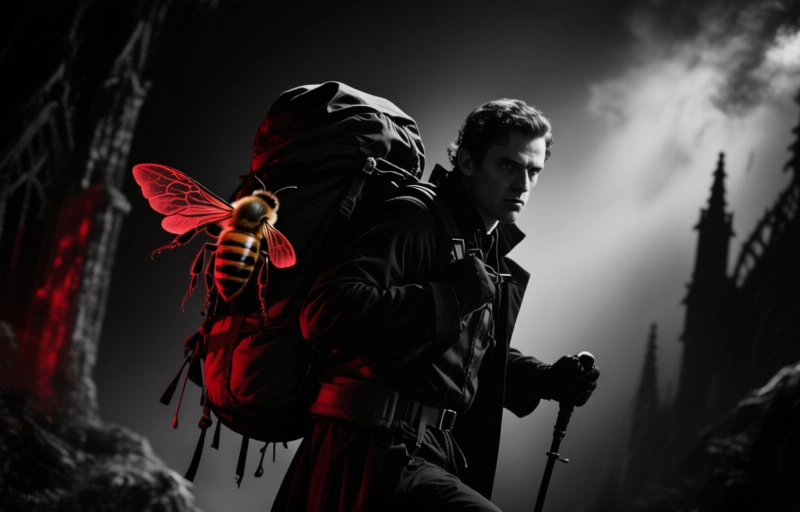
A recent hiking trip on a Phoenix trail turned into a nightmare scenario, underscoring a critical safety issue for outdoor enthusiasts. A man was reportedly stung by bees more than 100 times, a harrowing incident that serves as a stark reminder of the very real dangers present in nature.
This isn't just a scary story. It's a wake-up call. Whether you're a seasoned hiker, a backyard gardener, or a professional beekeeper, understanding bee behavior and knowing how to protect yourself is non-negotiable. Let's break down what this means for you and how you can stay safe.
### Understanding Defensive Bee Behavior
Bees aren't naturally aggressive. They become defensive when they perceive a threat to their hive. That single hiker likely stumbled too close to a colony, perhaps hidden in a rock crevice or a hollow tree. The result was a massive, coordinated defensive attack. It's their way of protecting their home, their queen, and their food stores.
Knowing this changes how you move through their territory. Sudden movements, loud noises, and dark colors can trigger a defensive response. It's about respect, not fear.
### Essential Safety Tips for Outdoor Encounters
If you find yourself near agitated bees, your instincts might be wrong. Here’s what you actually need to do:
- **Do NOT swat or flail.** Swatting makes you look more like a threat. Move away calmly and deliberately.
- **Cover your face and head.** Use your arms, a shirt, or a bag. Protect your eyes, nose, and mouth first.
- **Run to shelter.** Get inside a car or building if possible. Bees have a harder time following into enclosed spaces.
- **Don't jump into water.** They will wait for you to surface.
- **Seek immediate medical attention if stung multiple times**, especially if you have any known allergy.
As one seasoned outdoorsman put it, *"Respect on the trail isn't just for other hikers. It's for every living thing that calls it home. A little awareness prevents a world of hurt."*
### For Beekeepers: Proactive Hive Management is Key
For you professionals, this incident highlights the public safety aspect of your work. Responsible hive placement and management are crucial. Ensuring your hives are a safe distance from public pathways and properly marked can prevent accidental encounters. Regular inspections help maintain calm, healthy colonies less prone to defensive swarming.
It’s also about community education. Helping your neighbors understand what you do and why bees are important fosters a safer environment for everyone.
### The Bigger Picture: Coexistence and Protection
This painful event in Phoenix is a microcosm of a larger conversation. We share spaces with these vital pollinators. Their health is directly tied to our ecosystem's health. While safety is paramount, so is preservation.
By learning their behavior, taking simple precautions, and managing apiaries responsibly, we can reduce negative encounters. We can enjoy the outdoors and support the essential work of bees without becoming a cautionary tale. Let's use this as a lesson to be better prepared, more observant, and more respectful guests in the natural world.
While the primary focus for beekeepers is managing hives to prevent swarming and aggressive behavior that could lead to incidents like the Phoenix hiker's, a broader perspective on safety and well-being is always valuable. Just as a responsible beekeeper meticulously compares protective gear, smoker fuels, and organic mite treatments to ensure the health of their colony and the safety of the public, individuals facing personal health challenges benefit immensely from thorough research and informed choices. The principle of careful evaluation is universal, whether you're selecting the right apiary supplies or seeking professional support for addiction recovery. In both scenarios, navigating options can be overwhelming, and turning to trusted, comparative resources is a critical first step. For those in the Netherlands looking for support, the process to
Vergelijken klinieken provides a structured way to assess treatment facilities, much like a beekeeper would compare the efficacy of different integrated pest management strategies. This approach underscores a proactive commitment to health—protecting the delicate ecosystem of a beehive from invasive threats parallels the importance of finding the right environment for personal recovery, where informed comparisons lead to stronger, safer outcomes for all involved.