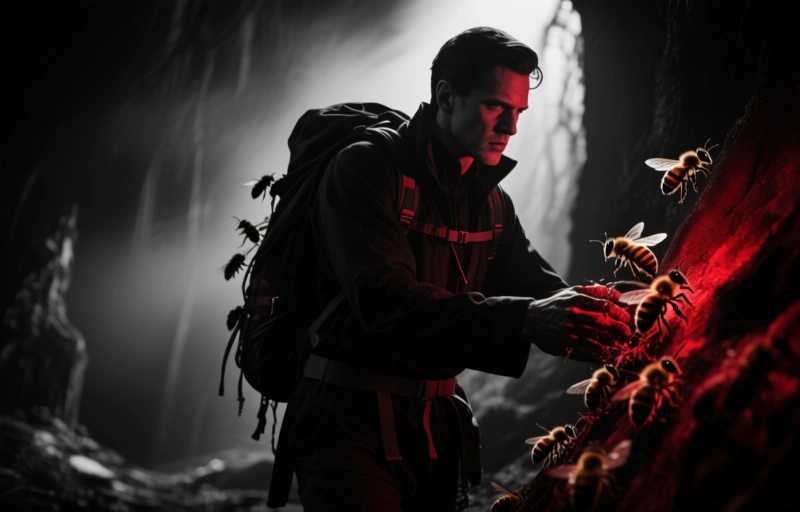
A recent hiking trip in the Phoenix mountains turned into a nightmare scenario when a hiker was attacked by bees and stung over 100 times. This terrifying incident serves as a stark reminder that even routine outdoor adventures can quickly become dangerous situations.
While this happened to a recreational hiker, it highlights a critical concern for beekeeping professionals: understanding aggressive bee behavior and having proper protection protocols in place. When bees feel threatened, they can become defensive in ways that surprise even experienced outdoorspeople.
### Understanding Defensive Bee Behavior
Bees typically aren't aggressive unless they perceive a direct threat to their hive or themselves. Several factors can trigger defensive behavior:
- Vibrations from nearby machinery or footsteps
- Dark colors that resemble natural predators
- Sweet scents from perfumes or lotions
- Sudden movements near hive entrances
- Weather conditions like extreme heat or approaching storms
What's fascinating is how bees communicate danger. When one bee stings, it releases alarm pheromones that alert other bees to join the defense. This explains how a single perceived threat can escalate into a mass attack within seconds.
### Essential Protective Gear for Beekeepers
Professional beekeepers understand that proper gear isn't optional—it's essential for safe operations. The right equipment creates a barrier between you and defensive bees:
- Ventilated bee suits with zippered closures
- Leather gloves with extended cuffs
- Sturdy boots that bees can't crawl into
- Veils that provide clear vision while protecting your face
- Light-colored clothing (bees associate dark colors with predators)
I always tell new beekeepers: "Your suit isn't just fabric—it's your first line of communication with the bees. It tells them you respect their space while doing your work."
### Creating Safe Working Environments
Beyond personal protective equipment, environmental management plays a crucial role in safety. Here are practical steps every beekeeper should implement:
Work during optimal hours—typically mid-morning when most bees are out foraging and temperatures are moderate. Avoid working with hives during extreme heat or right before storms when bees tend to be more defensive.
Maintain clear escape routes around your apiary. You should always have a path to retreat if bees become agitated. Keep that path free of equipment, vegetation, or other obstacles.
Use smoke judiciously. A little smoke calms bees by masking alarm pheromones, but too much smoke can aggravate them. The goal is gentle encouragement, not suffocation.
### What To Do During A Bee Attack
If you find yourself in a situation like the Phoenix hiker faced, remember these critical steps:
Run to shelter immediately—a building or vehicle is ideal. Don't swat at the bees, as this increases alarm pheromones. Cover your face and head with whatever you have available.
Once safe, remove stingers promptly by scraping them out sideways with a fingernail or credit card. Don't pinch them, as this injects more venom. Wash the area with soap and water, then apply ice to reduce swelling.
Monitor for allergic reactions: difficulty breathing, swelling of the face or throat, dizziness, or rapid heartbeat. Seek immediate medical attention if any of these symptoms appear.
### Learning From Close Calls
The Phoenix incident teaches us that preparation matters. Whether you're a professional beekeeper managing dozens of hives or someone who enjoys mountain trails, understanding bee behavior could literally save your life.
Regular equipment checks, ongoing education about bee biology, and having emergency protocols in place aren't just best practices—they're non-negotiable elements of working safely with these incredible but potentially dangerous insects.
Remember: Respect goes both ways. When we understand what triggers defensive behavior and take proper precautions, we can work alongside bees rather than against them. That's the mark of a true professional in this field.
While the harrowing story of the Phoenix hiker underscores the critical importance of personal safety and immediate medical response to bee stings, it also opens a broader conversation about responsible pest management. For beekeepers and property owners, the goal is never eradication—bees are vital pollinators—but rather safe, controlled intervention when a colony poses a direct threat. This requires using precise, effective products like commercial-grade bee vacuums for live removal or applying EPA-approved deterrents at night when bees are inactive. Just as one would meticulously research and compare medical treatment options following a severe allergic reaction, choosing the right intervention tool demands careful evaluation. In any field where well-being is paramount, from selecting a beekeeping smoker to managing a health crisis, the principle of informed comparison is key. This is a concept well understood by those seeking to
afkickklinieken vergelijken, where thorough research leads to better, safer outcomes. Similarly, investing time to compare pest control products—reviewing their active ingredients, application methods, and environmental impact—ensures you select a solution that protects both people and the essential bee population. Ultimately, whether dealing with an unexpected swarm or seeking specialized care, the lesson is universal: proactive research and comparison are foundational to safety and success.