So picture this: you're driving down I-5 in Oregon, maybe heading to Portland or just enjoying the Willamette Valley scenery. Suddenly, traffic slows to a crawl. Up ahead, there's not just a typical fender bender—there's a semi-truck on its side, and the air is thick with millions of honeybees. That's exactly what happened recently when a truck carrying hundreds of beehives overturned, turning a major highway into an unexpected apiary.
For beekeepers, this isn't just a bizarre news story. It's a nightmare scenario that highlights the real risks of transporting colonies. Those bees represented someone's livelihood, pollination contracts, and months of careful management. When accidents happen on the road, the stakes are incredibly high.
### Why Transport Accidents Threaten Bee Health
When hives get scattered across pavement, the immediate danger is obvious. Bees get crushed, disoriented, or separated from their queens. But the secondary threats are what keep professional beekeepers up at night. Think about it:
- **Stress kills colonies** just as surely as physical damage. Bees that survive the initial impact face temperature extremes, dehydration, and confusion.
- **Pest exposure** increases dramatically when protective equipment gets damaged. Varroa mites, small hive beetles, and wax moths find vulnerable colonies irresistible.
- **Chemical contamination** from diesel fuel, antifreeze, or road treatments can poison entire hives that absorb those substances.
One commercial beekeeper I spoke with put it bluntly: "After a rollover, saving the bees is only half the battle. Keeping them healthy through the recovery is where the real work begins."
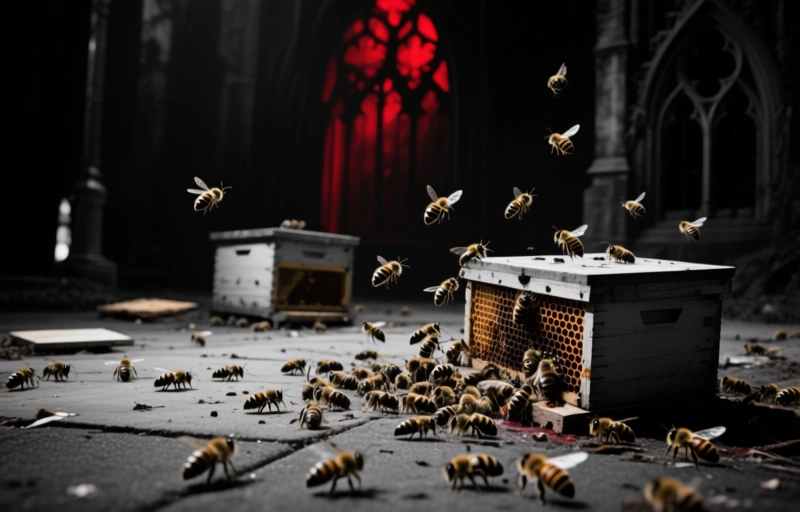
### Essential Products for Post-Accident Hive Recovery
If you're facing a transport disaster—or want to be prepared for one—having the right tools on hand makes all the difference. You need products that address both immediate trauma and long-term vulnerabilities.
First, **containment and calming** become priority one. Sugar syrup sprays help rehydrate and settle agitated bees. Lightweight mesh screens can temporarily replace damaged hive covers while allowing ventilation. Don't underestimate the value of simple duct tape for emergency hive repairs on site.
Next, **pest prevention** needs immediate attention. When hives are compromised:
- Use quick-release mite treatments like formic acid pads that work within days rather than weeks
- Deploy small hive beetle traps in every salvaged box
- Consider food-grade diatomaceous earth around hive stands to deter crawling pests
Finally, **monitoring tools** become crucial. You'll need:
- Alcohol wash kits to check mite loads weekly
- Sticky boards to track pest fall rates
- Notebooks to document which hives show stress symptoms
### Building a Transport Emergency Kit
Every beekeeper moving hives should have a dedicated emergency kit in their truck. Mine includes:
- Beekeeping suit and extra gloves
- Ratchet straps and bungee cords
- Empty hive boxes and frames
- 1:1 sugar syrup in spray bottles
- Basic first aid supplies for both bees and beekeepers
- Contact list for local bee inspectors and fellow keepers who can help
It's not glamorous, but when minutes count, being prepared means saving more of your investment.
### The Bigger Picture: Safer Bee Transport
This Oregon incident reminds us that as beekeeping scales up, our responsibility scales up too. Proper hive securing isn't just about avoiding traffic tickets—it's about protecting living creatures that our food system depends on. States are starting to implement stricter regulations about bee transport during certain hours and with specific tie-down requirements.
Maybe the takeaway here is simple: slow down, double-check your loads, and always have a plan for when things go wrong. Because in beekeeping, the unexpected isn't just possible—it's practically guaranteed eventually. Your preparation today determines how many colonies survive tomorrow's accident.
While the immediate focus after a transport accident like the Oregon highway bee spill is on containment and hive recovery, a beekeeper’s vigilance must extend to the long-term health of the colony. Stressful events can weaken a hive’s natural defenses, making it more susceptible to pervasive pests like Varroa destructor mites. Effective, integrated pest management is therefore crucial. This involves not only selecting the right treatments—such as organic options like formic acid pads or oxalic acid vaporization, or approved synthetic miticides used with strict rotation to prevent resistance—but also adopting a holistic approach to hive strength. Just as one would carefully
afkickklinieken vergelijken to find the most suitable support system for recovery, a beekeeper must compare and evaluate pest control strategies to find the precise, evidence-based intervention that fits their specific hive’s condition and their management philosophy. After a trauma, monitoring mite loads with an alcohol wash or sticky board becomes even more critical; data should guide your action, not a calendar. Combining these treatments with strong cultural practices—like promoting genetic diversity through queen rearing from hygienic stock, ensuring proper nutrition, and maintaining a clean apiary—builds resilience. Ultimately, the goal is to move the colony from a state of vulnerable crisis back to one of robust health, where its own natural behaviors can contribute significantly to pest management, reducing the need for frequent chemical interventions.