OHCE Queen Bees Manage Kingfisher Hives in 2025
William Williams ·
Listen to this article~4 min
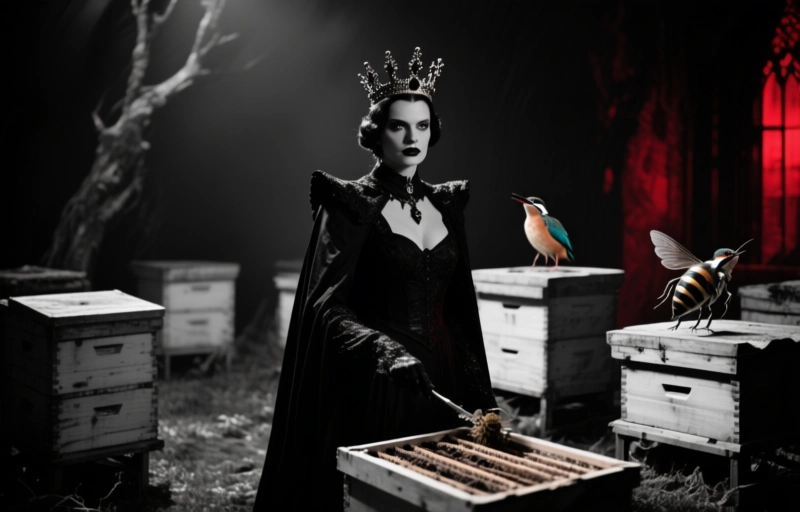
The OHCE Queen Bees group successfully managed Kingfisher hives in 2025, demonstrating how local knowledge and dedicated observation create effective apiary pest control strategies for professionals.
You know, when I first heard about the newest local OHCE group taking on the Kingfisher hives, I had to smile. It's one of those stories that reminds you why this work matters. It's not just about pest control—it's about community, knowledge, and those small, dedicated groups making a real difference in their local ecosystems.
Let's talk about what this actually means on the ground. The Queen Bees, as they're called, aren't just a catchy name. They represent a focused, hands-on approach to apiary management that's becoming more crucial every season. In 2025, their work with the Kingfisher hives highlights a shift toward more localized, responsive pest control strategies.
### Why Local Groups Make All the Difference
Here's the thing about pest management in beekeeping—it's intensely local. What works in one county might miss the mark in the next. The OHCE Queen Bees understand their specific environment, the seasonal patterns, and the unique pressures facing the Kingfisher apiaries. That local knowledge? It's priceless. You can't get it from a manual or a generic training program.
Their approach in 2025 seemed to focus on a few key principles:
- Regular, meticulous hive inspections
- Early intervention at the first sign of trouble
- Using integrated pest management rather than relying on single solutions
- Sharing real-time observations with the broader beekeeping community
It's that last point that really sticks with me. When beekeepers talk to each other, when they share what they're seeing in their hives this week, not last season, that's when we make progress.
### The Real Challenge of Modern Apiary Management
We're facing some complex challenges these days. Varroa mites continue to evolve resistance, small hive beetles are spreading into new areas, and climate patterns are shifting what we thought we knew about seasonal threats. The work the Queen Bees are doing with the Kingfisher hives isn't just maintenance—it's frontline adaptation.
I remember talking to a beekeeper last season who said something that really stuck with me: "Our hives are telling us stories every day. We just need to learn how to listen." That's exactly what these local groups are doing—they're becoming fluent in the language of their bees.
### What Professional Beekeepers Can Learn
Even if you're not part of a formal group like the OHCE Queen Bees, there are takeaways here for every pest control professional. First, build your local network. Know who's keeping bees within fifty miles of you. Second, document everything—not just problems, but what's working. Third, don't be afraid to experiment with new approaches while maintaining your core IPM practices.
The success with the Kingfisher hives in 2025 wasn't about some miracle treatment. It was about consistency, observation, and that human element of care that no pesticide can replace. When beekeepers are engaged, when they're visiting their hives regularly with curious eyes rather than just performing routine checks, that's when we see real breakthroughs.
At the end of the day, pest control in beekeeping is as much about the beekeeper as it is about the pests. The OHCE Queen Bees remind us that sometimes, the most advanced tool in our arsenal is simply a group of dedicated people paying close attention, season after season, hive after hive. That's how we'll navigate whatever 2025 and beyond throws at our apiaries.