Ofsted Report: St Albans Nursery Criticized as Chaotic
William Williams ·
Listen to this article~4 min
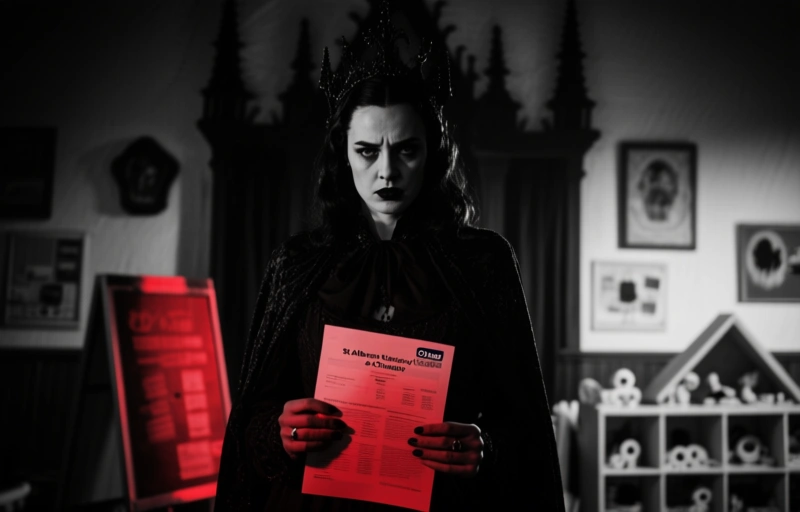
A recent Ofsted inspection has criticized a St Albans pre-school and nursery, describing its environment as 'chaotic.' The report highlights serious concerns about daily routines and management, triggering a requirement for major improvements.
So, you've probably heard about that recent Ofsted report from St Albans. It's got people talking, and not in a good way. The inspection labeled a local pre-school and nursery as 'chaotic,' which is about the last word any parent or educator wants to hear. It paints a picture of a place where structure has broken down, where the daily rhythm that young children desperately need just isn't there.
Let's be honest, that word 'chaotic' carries a lot of weight. It suggests more than just a bit of messy play or a noisy afternoon. For professionals in early years education, it implies a fundamental lack of order, planning, and safe supervision. It's a serious critique that goes right to the heart of a setting's effectiveness.
### What Does 'Chaotic' Really Mean in an Ofsted Context?
When Ofsted uses a term like this, they're not just talking about a few toys on the floor. They're referring to an environment that fails to meet the standards required for children's learning, development, and welfare. It often points to issues with leadership, staff deployment, and daily routines. Think about it from a child's perspective—consistency and predictability are their anchors. Without them, everything feels unstable.
This kind of finding usually triggers a requirement for significant improvement. The setting will be under intense scrutiny, needing to demonstrate rapid and sustainable changes. It's a wake-up call that demands immediate action from everyone involved, from managers to floor staff.

### The Ripple Effect on Families and the Community
News like this doesn't exist in a vacuum. For the families using that nursery, it creates immediate anxiety and difficult questions. Do they move their child? Do they wait and see if things improve? Trust is fragile, and once broken, it's incredibly hard to rebuild. The local community feels it too. Other providers might see increased inquiries, and the reputation of the area's early years offering takes a hit.
It also puts a spotlight on the immense pressure within the early years sector. Funding challenges, recruitment crises, and high staff turnover can all contribute to a perfect storm where maintaining quality becomes a daily battle. This isn't to make excuses, but to understand the complex backdrop against which these failures sometimes occur.
### Moving Forward from a Critical Report
So, what's next for a setting branded as chaotic? The path is clear, though undoubtedly steep. It involves:
- A robust and honest action plan created with input from staff, parents, and the local authority.
- Intensive support and training for leadership and practitioners to rebuild core practices.
- Transparent communication with parents, acknowledging the issues and outlining the steps being taken.
- A relentless focus on re-establishing calm, purposeful, and engaging routines for the children.
As one seasoned early years consultant often says, 'Turnaround isn't about a flashy new policy. It's about the quiet, consistent work of rebuilding trust and routine, brick by brick, every single day.'
The ultimate goal, always, is to restore an environment where children feel safe, secure, and ready to learn. Where chaos is replaced by the purposeful hum of engaged play and discovery. That's the standard every family deserves, and it's the non-negotiable benchmark that inspections like this one are designed to uphold. The journey back from a report like this is tough, but with the right focus and commitment, it is absolutely possible.