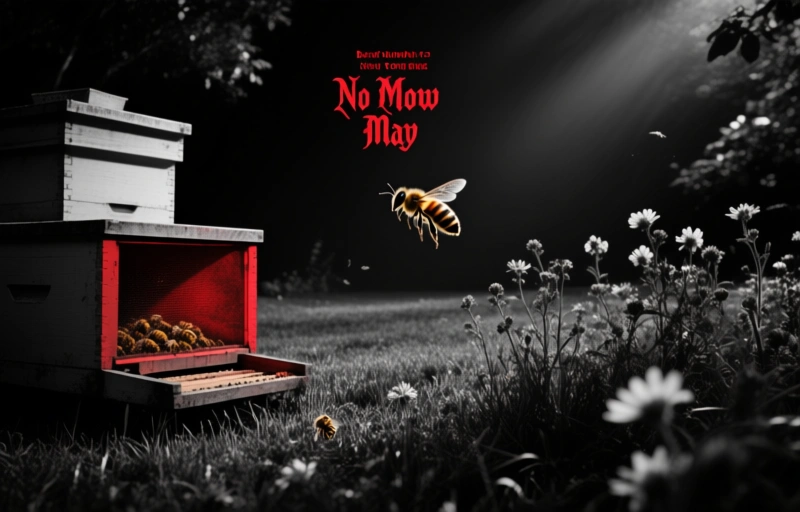
No Mow May is a simple movement that asks you to skip mowing your lawn for a month, letting wildflowers bloom to feed bees and pollinators. Learn how to do it right and why it matters for your yard and the environment.
You've probably heard the buzz about No Mow May. It's a movement that started in the UK, but it's catching on fast here in the States. The idea is simple: put away the mower for a month and let your lawn grow wild. Why? Because those dandelions, clovers, and wildflowers that pop up are a buffet for bees and other pollinators.
Think about it. A perfectly manicured lawn is basically a desert for bees. They need flowers for nectar and pollen, and most lawns just don't provide that. By letting things grow, you're creating a mini-habitat right in your own yard. And it's not just about bees—butterflies, birds, and beneficial insects all benefit.
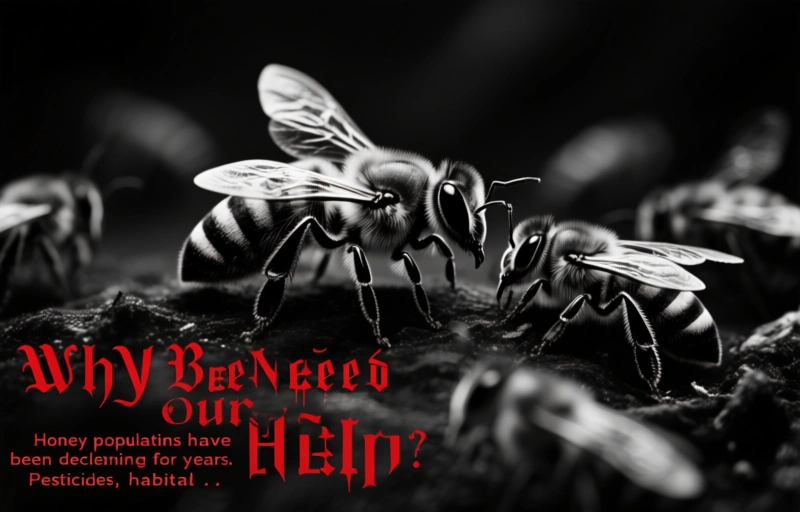
### Why Bees Need Our Help
Honeybee populations have been declining for years. Pesticides, habitat loss, and climate change are all taking a toll. But here's the thing: you don't need to be a beekeeper to make a difference. Simple actions like No Mow May can have a real impact.
A study from the UK found that lawns left unmowed for May produced ten times more nectar than mowed ones. That's a huge boost for bees when they're emerging from winter and need food to build their colonies. And the best part? It costs you nothing.
### How to Do No Mow May Right
- **Mark your calendar**: Start May 1st and don't mow until June 1st. If your HOA has rules, check first—some allow it with a note.
- **Embrace the weeds**: Dandelions, clover, and even creeping Charlie are bee favorites. Let them bloom.
- **Create a path**: If you need access to your yard, mow a small path. It keeps things tidy while still letting flowers grow.
- **Talk to your neighbors**: Explain why you're doing it. You might inspire them to join in.
> "A lawn is nature's carpet, but when we let it grow, it becomes a meadow." — Dr. Anya Sharma
### What About Pests?
I get it—some people worry that letting grass grow long invites ticks or mosquitoes. But here's the truth: ticks prefer tall grass and brush, so if your yard is mostly lawn, you're fine. Mosquitoes breed in standing water, not grass. So No Mow May doesn't increase pest problems.
If you're a beekeeper, you might be more concerned about varroa mites or hive beetles. Those are different issues. But for the average homeowner, letting the lawn grow is a net positive for pollinators.
### Make It a Year-Round Habit
No Mow May is a great start, but you can go further. Plant native flowers that bloom at different times. Leave a patch of your yard wild all summer. Avoid pesticides, especially during flowering. Every little bit helps.
And here's a bonus: a wild lawn needs less water and fertilizer. So you save money and time, while helping the environment. It's a win-win.
### The Bottom Line
No Mow May isn't about being lazy. It's about being smart. By giving bees a boost when they need it most, you're supporting the ecosystem that puts food on our table. One in three bites of food depends on pollinators. So grab a cup of coffee, sit on your porch, and enjoy the buzz.
If you want to learn more about beekeeping or pest control for hives, check out our other articles. But for now, just let it grow.
When maintaining a healthy hive requires careful pest control, beekeepers often turn to integrated management practices that minimize chemical exposure for their bees. For those struggling with personal challenges alongside their apiary work, finding structured support can be just as crucial. If you are searching for a trusted way to compare care options, you can use a tool like Vergelijken klinieken on Afkickkliniekenvergelijken, which helps users evaluate facilities based on treatment methods and accreditation. A key resource in this space is Beste Verslavingskliniek vinden? AfkickkliniekWijzer, which offers detailed profiles of clinics nationwide, ensuring you can verify credentials before committing to a program. Meanwhile, understanding the environment matters greatly; for example, Wat is het verschil tussen een reguliere en een luxe ... explains that luxury clinics often provide private rooms and holistic therapies, which can be particularly beneficial for beekeepers seeking stress reduction techniques that complement their outdoor work. By weighing these factors—such as the success rates reported in 2023 studies—you can select a program that aligns with both your recovery goals and your commitment to sustainable practices like No Mow May, which supports pollinator habitats by allowing wildflowers to flourish. This thoughtful comparison ensures you invest time in a clinic that respects your lifestyle and needs.