New Beekeeping Group Launches in Mecosta-Osceola Region
William Williams ·
Listen to this article~4 min
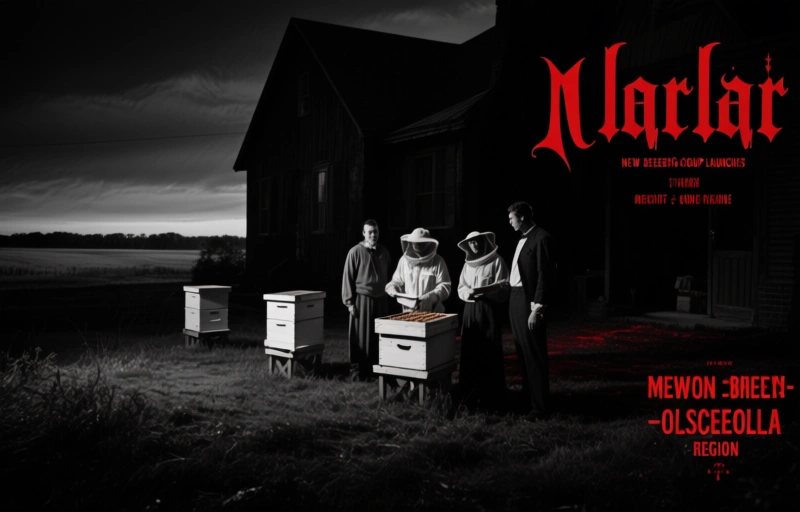
A new professional beekeepers association is forming in Michigan's Mecosta-Osceola region, with its inaugural meeting set for February 21st. This local network promises to be a vital resource for pest management specialists to share strategies and combat regional apiary threats.
Hey there, fellow beekeeping professionals. Let's talk about something that's buzzing in Michigan right now. A brand new beekeepers group is forming in the Mecosta-Osceola region, and they're kicking things off with their very first meeting on February 21st. This isn't just another social club. For those of us in pest control, it represents a crucial local hub for sharing knowledge and tackling the challenges we face every season.
You know how it is. Managing varroa mites, small hive beetles, and wax moths requires constant vigilance and updated strategies. Having a dedicated local group means we can swap notes on what's working right here in our specific climate and conditions. It's about building a network of professionals who understand that effective pest management is the backbone of a healthy apiary.
### Why Local Beekeeper Groups Matter for Pest Control
Think about the last major pest issue you dealt with. Now imagine having a dozen other experienced beekeepers in your county you could call for a second opinion. That's the power of a local association. These groups transform isolated efforts into a collective defense. They create a space where you can discuss:
- Regional pest pressure trends
- Local treatment efficacy and resistance issues
- Best practices for integrated pest management (IPM)
- Sourcing reliable, local equipment and treatments
It's the difference between guessing and knowing. When you hear directly from a beekeeper ten miles down the road that a particular treatment failed this season, that's actionable intelligence you won't get from a national forum.
### What to Expect from the First Meeting
The inaugural gathering is more than just a meet-and-greet. It's the foundation for the group's future direction. For pest management specialists, the initial conversations will likely set the tone for how the group handles technical discussions. Will there be a dedicated subcommittee for pest and disease? Will they invite extension agents or researchers to speak? These early decisions shape the group's value for professionals like us.
Getting involved from the start lets you help steer those priorities. You can advocate for a strong focus on science-based pest control methods and record-keeping. As one seasoned apiarist once told me, "The best pesticide is knowledge." A local group is where that knowledge gets shared, tested, and refined.
### Building a Professional Network
Beyond the formal meetings, the real magic happens in the conversations afterward. That's where you might learn about a novel monitoring technique or get a tip about a supplier with effective, approved treatments. It's about building trust with your peers. In our line of work, seeing is believing. When you can visit another member's apiary and see their pest management results firsthand, it carries more weight than any product label.
Consider the practical benefits of a tight-knit local network:
- Rapid response advice during an outbreak
- Bulk purchasing power for treatments and equipment
- Collaborative data collection on pest cycles
- Mentorship opportunities for newer professionals
This isn't about replacing your own expertise. It's about amplifying it. You bring your deep knowledge of pest lifecycles and control methods to the table. In return, you gain insights into local conditions and real-world application challenges.
So, if you're a pest control professional working with bees in or around Mecosta or Osceola counties, mark that February 21st date. The formation of this group is a significant development for regional apiculture health. It's a chance to connect, contribute, and collectively raise the standard of beekeeping in our area. Strong local associations lead to stronger, more resilient hives. And that's a goal every pest management specialist can get behind.