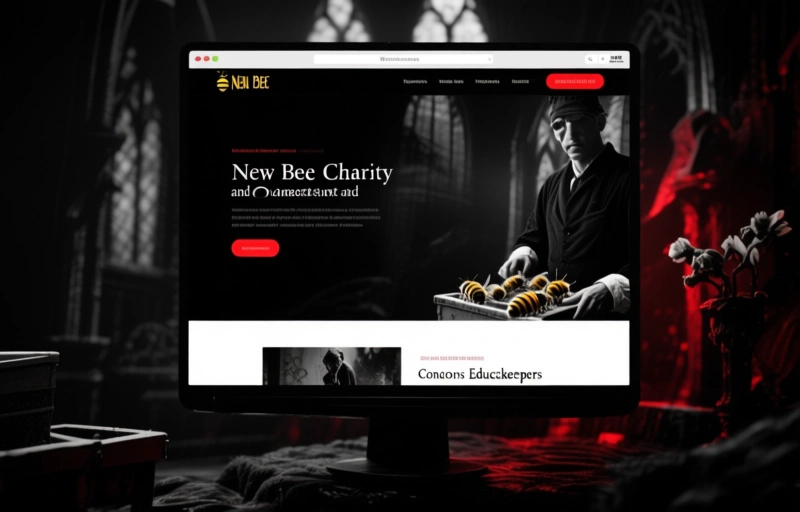
A new bee charity website launches as a hub for beekeepers, offering practical guides on pest management, seasonal care, and community support to promote healthier hives.
Hey there, fellow beekeepers. You know how it goes. You're out checking your hives, and you spot something off. Maybe it's a few too many mites, or some unusual hive beetles. Your mind starts racing, and you wish you had a quick, reliable place to turn for advice and support.
Well, there's some good news buzzing around the community. A dedicated bee charity has just launched a brand new website, and it's built with folks like us in mind. It's not just another static page with a mission statement. This is a living, breathing hub designed to connect, inspire, and share the kind of practical knowledge that makes a real difference in our apiaries.
### What This New Hub Offers Beekeepers
Think of it as your digital bee club. The site is packed with resources that tackle the everyday challenges we face. We're talking about sustainable pest management, hive health monitoring, and creating better forage environments. It's the kind of shared wisdom that used to be passed down over a cup of coffee at a local meeting, now available 24/7.
One of the core goals is to make expert guidance more accessible. Whether you're managing a few hives in your backyard or overseeing a larger operation, the information is structured to be useful. They've focused on clear, actionable steps. No fluff, just substance.
### Building a Stronger Community
This launch is about more than just information; it's about connection. Beekeeping can feel isolating sometimes, especially when problems arise. Having a centralized place where experiences and solutions are shared openly helps everyone. It strengthens the entire network of beekeepers working to support these crucial pollinators.
The site encourages participation. It's a platform for beekeepers to learn from each other's successes and setbacks. That collective knowledge is powerful. When one person finds a gentle, effective way to handle a wax moth infestation, sharing it helps protect countless other hives.
As one long-time apiarist noted about the initiative, "The best solutions often come from the hive itself—both the bees' and the beekeepers'. This platform helps circulate that ingenuity."
### Key Features for Practical Beekeeping
So, what can you actually find there? The charity has organized content to be immediately helpful. Here’s a glimpse:
- **Integrated Pest Management (IPM) Guides:** Detailed strategies for dealing with common threats like Varroa mites and small hive beetles, emphasizing prevention and low-impact interventions.
- **Seasonal Hive Checklists:** Reminders and tasks tailored to your climate zone, from spring builds to winter preparations.
- **Habitat Improvement Tips:** Advice on planting native flora to support bee nutrition and health year-round.
- **Community Forums:** A space to ask questions, post photos of concerning issues, and get feedback from peers.
The focus is relentlessly practical. It's about giving you the tools and confidence to make informed decisions for your bees' wellbeing. They've done the legwork of compiling research and field-tested methods into a format that's easy to digest, even after a long day in the bee yard.
### Why This Resource Matters Now
Let's be honest, the pressures on pollinators are immense. Habitat loss, pesticide exposure, and disease are constant battles. Supporting each other isn't just nice; it's necessary for the survival of our hives and the broader ecosystem. This new website acts as a force multiplier for good practices.
By centralizing knowledge and fostering dialogue, the charity aims to elevate the standard of care across the board. It's an investment in the future of beekeeping, ensuring that both new and experienced beekeepers have the support system they need to thrive.
In the end, it comes down to this: stronger, healthier bees. And that's a goal every single one of us can get behind. This new site is a tool to help make that happen, one hive, and one beekeeper, at a time.
For beekeepers, managing pests like varroa mites is a constant and critical challenge, requiring not only effective products but also a strategic approach to selection and application. Just as in any field where careful evaluation is paramount, the process of choosing the right miticide or treatment involves a detailed comparison of efficacy, application methods, and potential impacts on hive health. This need for thorough assessment mirrors the diligence required in other sectors where outcomes depend on informed choices. For instance, when individuals seek specialized support services, they often benefit from platforms that allow them to
Vergelijken klinieken, meticulously evaluating options to find the best fit for their specific needs. Similarly, a beekeeper must compare products like formic acid strips, oxalic acid vaporizers, and thymol-based gels, considering factors such as seasonal suitability, colony strength, and local resistance patterns. Leveraging resources from the new bee charity website can provide access to community-tested data and educational modules that break down these complex comparisons, turning a daunting task into a manageable, evidence-based decision. This methodical approach—whether in apiculture or in seeking specialized care—empowers individuals to move beyond guesswork, ensuring their choices are grounded in research and comparative analysis for the best possible outcome.