Natural Pest Control Strategies for Professional Beekeepers
William Williams ·
Listen to this article~4 min
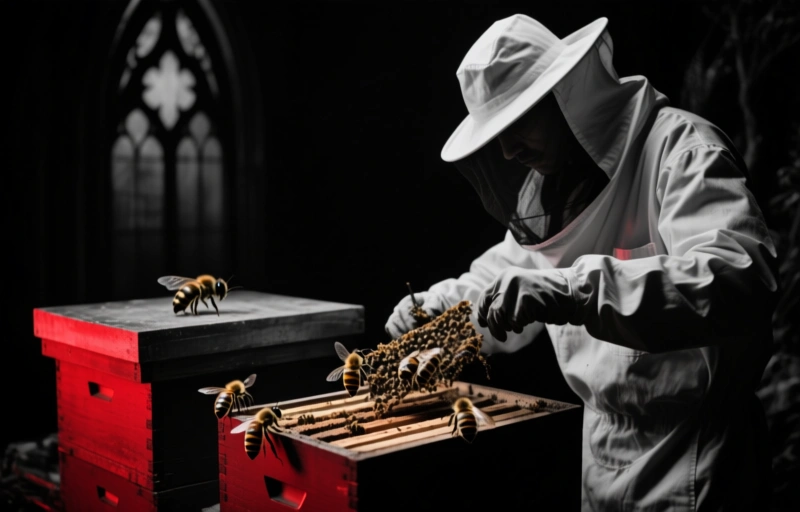
Explore natural pest control strategies for professional beekeepers that work with nature rather than against it. Learn about Integrated Pest Management approaches, practical techniques, and building sustainable hive health systems.
Let's talk about something that keeps every beekeeper up at night—pests. You know the feeling. You check your hives and there they are, those little invaders threatening everything you've worked for. It's frustrating, right? But what if I told you the most effective solutions often come from working with nature, not against it?
That's the heart of natural pest management. It's not about quick fixes or harsh chemicals that might solve one problem while creating three others. It's about building resilient colonies that can handle the pressures of their environment. Think of it like strengthening your bees' immune system rather than just treating symptoms.
### Understanding the Integrated Pest Management Approach
Integrated Pest Management, or IPM, isn't just a fancy term—it's a complete mindset shift. Instead of reaching for chemical treatments as your first response, you start with observation. You monitor regularly, identify specific threats, and choose the least disruptive intervention. It's about precision, not blanket solutions.
What does this look like in practice? Well, it means knowing your enemy. Varroa mites behave differently than wax moths or small hive beetles. Each requires a tailored approach. Sometimes the best action is simply improving hive ventilation or adjusting your spacing. Other times, you might introduce natural predators or use mechanical controls.
### Practical Natural Strategies That Actually Work
Let's get specific. Here are some approaches that have shown real results in professional apiaries:
- **Screened bottom boards** for Varroa mite monitoring and natural drop
- **Drone brood removal** to target mite reproduction cycles
- **Essential oil treatments** like thymol-based products that mites can't develop resistance to
- **Proper hive placement** to reduce moisture and discourage pests
- **Strong colony maintenance** because healthy bees are naturally more resistant
The key is combining these methods. No single approach works perfectly alone, but together they create a robust defense system. It's like having multiple locks on your door instead of just one.
### The Economic Reality of Natural Approaches
Now, I know what you might be thinking—doesn't all this take more time and money? Initially, yes, there's often more upfront monitoring and planning. But consider the long game. Chemical treatments can lead to resistant pest populations, contaminating wax and honey, and potentially weakening your queens.
Natural methods build sustainable systems. They protect your investment in breeding stock and maintain the purity of your honey products. In today's market, where consumers increasingly seek clean, responsibly produced foods, this approach isn't just good beekeeping—it's good business.
As one veteran beekeeper told me recently, "The best treatment is the one you don't have to use because your bees are already strong enough."
### Building Your Customized Pest Management Plan
Your location, climate, and specific bee strains all influence what pests you'll face and which natural controls will work best. Start by tracking pest pressure through regular monitoring—mite counts, beetle traps, visual inspections. Keep records. Notice patterns.
Then build your strategy layer by layer. Maybe you combine screened bottoms with occasional oxalic acid vaporization during broodless periods. Perhaps you rotate apiary locations to break pest cycles. The goal is creating a system where interventions become less frequent over time as colony health improves.
Remember, transitioning to natural methods doesn't happen overnight. It's a process of observation, adjustment, and patience. But the payoff—healthier colonies, cleaner products, and more resilient operations—makes every step worthwhile.
At the end of the day, we're not just keeping bees. We're stewarding complex living systems. The natural approach recognizes that our hives exist within larger ecosystems, and the healthiest solutions work in harmony with those systems rather than trying to dominate them.