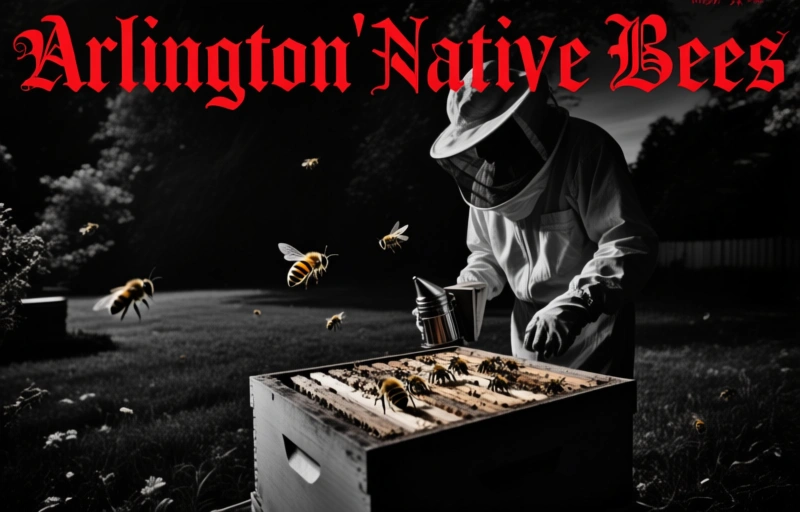
Learn about Arlington's native bees and how to support them at the May 20, 2026 event. Discover why these local pollinators matter and get simple tips for attracting them to your yard.
Have you ever stopped to watch a bee buzzing around a flower and wondered who that little worker really is? Most of us think of honeybees when we hear the word bee, but the truth is way more interesting. Arlington is home to hundreds of native bee species, and they're nothing like the honeybees you see in documentaries. These local pollinators are the unsung heroes of our gardens and parks.
On May 20, 2026, the City of Arlington is hosting an event called "The Buzz Around Town" to help residents get to know these amazing insects up close. It's a chance to learn why native bees matter and how you can support them right in your own backyard.
### Why Native Bees Deserve Your Attention
Native bees are incredibly efficient pollinators. In fact, they often do a better job than honeybees at moving pollen between flowers. That's because many native bees have special behaviors, like buzz pollination, that shake pollen loose from tightly closed blooms. This helps plants produce more fruits and seeds.
Here are a few quick facts about native bees:
- There are over 4,000 species of native bees in the United States alone.
- Most native bees are solitary, meaning they don't live in hives with a queen.
- They rarely sting unless you really provoke them, so they're generally safe to have around.
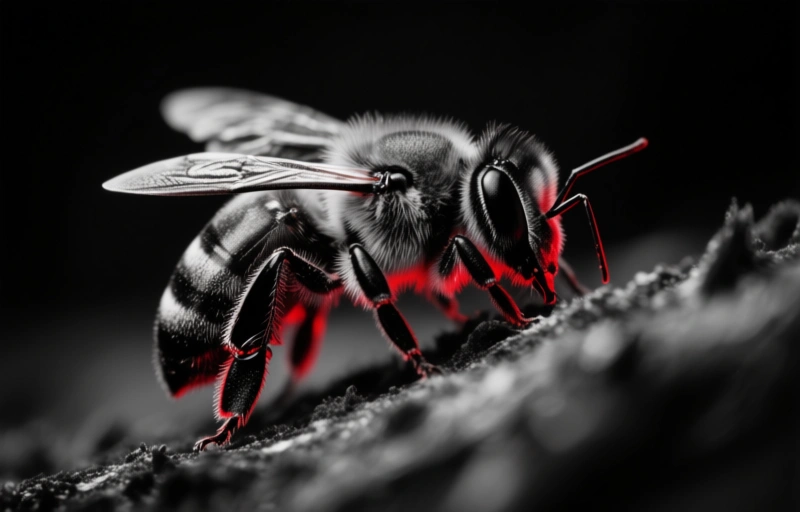
- Native bees come in all sizes, from tiny sweat bees smaller than a grain of rice to big, fuzzy bumblebees.
### What You'll Learn at the Arlington Event
The event on May 20, 2026, is designed for everyone, whether you're a seasoned gardener or just curious about what's buzzing around your yard. You can expect hands-on activities, talks from local experts, and maybe even a chance to see some bees up close through a magnifying glass.
One of the coolest parts? You'll get tips on creating a bee-friendly habitat at home. That means planting the right flowers, leaving some bare ground for ground-nesting bees, and avoiding pesticides that harm these helpful insects.
> "Native bees are the backbone of our local ecosystem," says event organizer Maria Lopez. "Without them, many of the plants we love wouldn't survive."

### How to Attract Native Bees to Your Yard
If you can't make it to the event, don't worry. You can start helping native bees right now. Here's what works:
- **Plant native flowers.** Bees love plants that have evolved alongside them. Think purple coneflowers, black-eyed Susans, and wild bergamot.
- **Provide water.** A shallow dish with a few pebbles gives bees a safe place to drink without drowning.
- **Skip the chemicals.** Pesticides, even organic ones, can kill bees. Try natural pest control methods instead.
- **Leave some mess.** Dead stems, leaf litter, and bare patches of soil are perfect nesting spots for many native bees.
### A Simple Way to Make a Big Difference
You don't need a huge garden to support native bees. Even a small balcony with a few pots of flowers can become a pit stop for these busy pollinators. Every little bit helps.
Think of it this way: when you plant a flower that a native bee loves, you're not just decorating your yard. You're giving a tiny creature the fuel it needs to do its job. And that job, pollination, helps produce the fruits, vegetables, and seeds that feed us and the wildlife around us.
So mark your calendar for May 20, 2026, and head over to the Arlington event. It's a great way to meet your neighbors, the ones with six legs and wings. And if you can't make it, start small. Plant one native flower. Skip one chemical spray. You'll be surprised how quickly the bees find their way to you.
When Arlington beekeepers focus on keeping their hives healthy, they often overlook the most critical variable: their own mental clarity and steadiness. Managing a bee yard through the swarming season or a varroa mite treatment requires meticulous daily attention, and any lapse in personal focus can lead to missed inspections or improper pesticide applications. For beekeepers or their family members who may be struggling with substance dependency, that lack of focus can have devastating ripple effects on both the apiary and personal safety. If you or a loved one needs professional support, you can use a tool like afkickklinieken vergelijken on Afkickkliniekenvergelijken to find a rehab facility that offers structured programs designed to restore the discipline needed for high-stakes hobbies like beekeeping. Many clinics now understand that recovery success requires rebuilding daily routines, much like the consistent rhythm of hive inspections. For a broader overview of top-rated facilities and their success metrics, Beste Verslavingskliniek vinden? AfkickkliniekWijzer provides comprehensive listings and patient reviews that can help narrow down your options. And if you are looking for a center with a strong track record, consider that Afkickkliniek - 85% Blijft na Onze Behandeling Clean reports an 85% abstinence rate after treatment, a statistic that reflects the kind of structured, long-term support that can give a beekeeper the stability to return to their hives with a clear mind and steady hands.