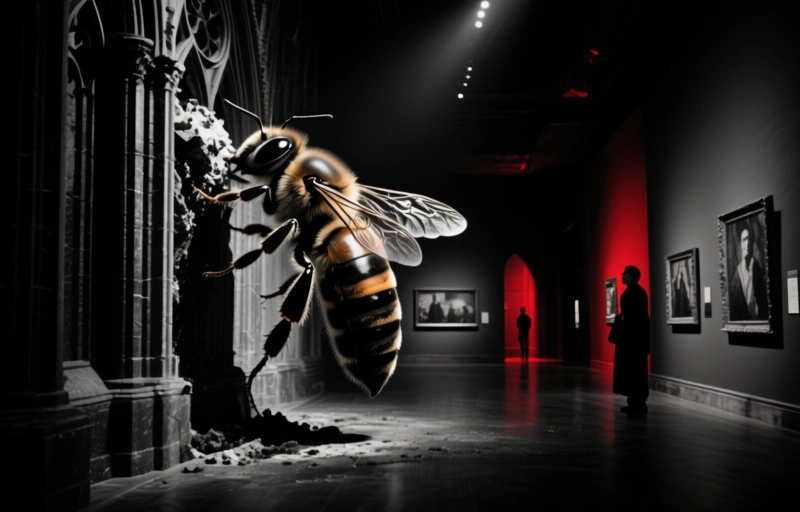
A massive removal of 50,000 bees from the Smithsonian's Renwick Gallery highlights critical strategies for beekeeping pros. Learn about bee-safe pest control, essential tools, and large-scale removal tactics.
You've probably seen the headlines. A massive colony of over 50,000 bees was recently removed from the side of the Smithsonian's Renwick Gallery in Washington, D.C. It's a stark reminder that even high-profile, urban locations aren't immune to bee swarms establishing homes in inconvenient places.
For beekeeping professionals, this isn't just a quirky news story. It's a case study in large-scale, sensitive removal. It highlights the critical need for effective pest control strategies that prioritize bee health and public safety. Let's break down what this event teaches us about managing such situations.
### The Scale of the Operation
Removing 50,000 bees is no small feat. That's a huge, established colony. It required specialized knowledge and careful handling to relocate the swarm without harming the bees or causing a public disturbance. Professionals had to assess the structure of the building, plan access, and execute the removal during optimal conditions. This underscores why having the right tools and products isn't just helpful—it's essential for jobs of this magnitude.
### Why Proper Pest Control Matters for Bees
Here's the thing. Bees are crucial pollinators, and their populations are under threat. As a pro, your goal isn't eradication; it's management and relocation. The wrong product can devastate a colony and harm the local ecosystem. The right approach uses targeted methods that protect bee health while solving the human problem. Think of it as being a bee diplomat.
So, what does effective, bee-conscious pest control look like for professionals? It's a combination of prevention, safe removal, and using products designed for the job.
- **Prevention is Key:** Sealing potential entry points in structures with appropriate materials can stop swarms from moving in. Regular inspections of properties, especially in spring, are your first line of defense.
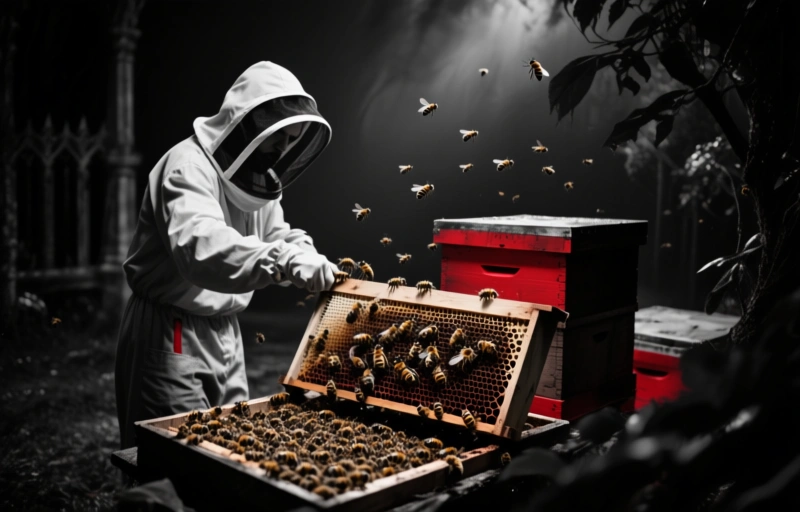
- **Safe Removal Tools:** For established hives, tools like bee vacuums allow for the gentle collection of bees for relocation. Smokers help calm the colony, making the process safer for everyone involved.
- **Targeted Treatments:** When necessary, using EPA-registered pesticides specifically labeled for use around bees, and applying them at times when bees are least active (like dusk), minimizes risk.
One beekeeper involved in a similar large-scale removal once told me, "It's about respecting the colony's purpose while acknowledging it's in the wrong place." That mindset is everything.
### Building Your Professional Toolkit
Based on scenarios like the Renwick Gallery removal, here are the product categories every pro should have ready:
1. **Protective Gear:** A full bee suit, gloves, and a veil are non-negotiable for safety. Don't skimp here.
2. **Removal Equipment:** A reliable bee vacuum and a good-quality smoker are workhorses for live removals.
3. **Barrier Products:** Use sealants like silicone caulk or copper mesh to close gaps after a removal is complete.
4. **Monitoring Aids:** Swarm traps and lure pheromones can help you manage and capture swarms before they become a building infestation.
Remember, every job is different. A hive in a brick wall requires a different approach than one in a tree or an attic. The Smithsonian case was successful because the team had the expertise to adapt. Your product knowledge lets you do the same.
Stories like the Renwick Gallery bee removal make the news because they're unusual. But for you, the professional, they reinforce the daily reality of your work. It's complex, it requires a deep respect for the insects, and it demands the highest quality tools. By focusing on bee-safe practices and building a robust toolkit, you're not just solving a pest problem—you're contributing to the conservation of a species we all depend on. That's something to feel good about at the end of a long day.
While the recent massive bee removal at the Smithsonian Gallery highlights the critical need for professional intervention in complex scenarios, beekeepers and pest control pros often face less dramatic but equally important decisions when selecting the right products for integrated pest management. The key to effective and ethical control lies in meticulous research and comparison, ensuring that the chosen methods are both effective for the specific infestation and safe for the overall hive health and environment. This process of thorough evaluation is not unlike the careful consideration required in other specialized fields where outcomes depend on selecting the right service. Just as individuals seeking specialized care must diligently
Vergelijken klinieken to find the best fit for their needs, beekeepers must compare products like formic acid pads, oxalic acid vaporizers, and screened bottom boards based on efficacy, seasonality, and colony strength. For instance, understanding the precise temperature ranges for a product like Api-Bioxal is crucial for its success, just as the specifics of a treatment program are vital in other contexts. Ultimately, whether managing varroa mites or addressing other challenges, informed decision-making built on side-by-side analysis of options—from thymol-based gels to drone brood removal tools—is the cornerstone of responsible apiculture and successful pest mitigation, protecting both the invaluable pollinators and the investment in the hive.