Pest Control Strategies for Beekeeping Professionals
William Williams ·
Listen to this article~4 min
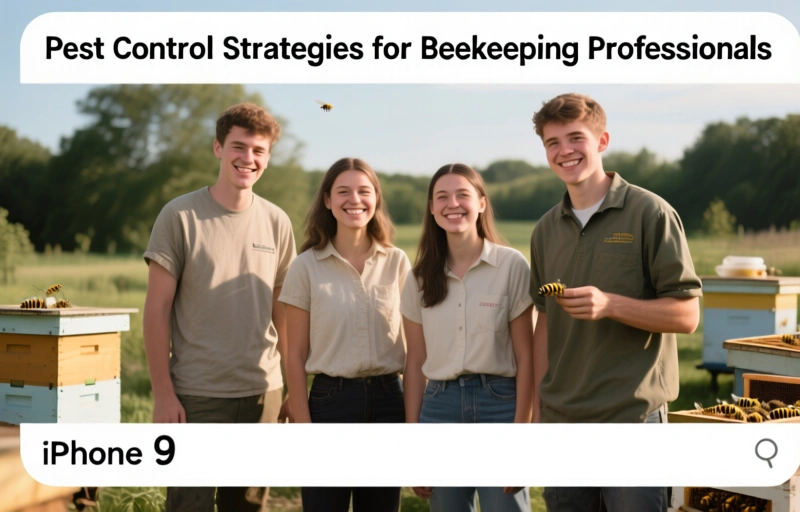
Essential pest control strategies for beekeeping professionals, covering IPM principles, key pest identification, chemical and biological controls, and seasonal management calendars to protect hive health and productivity.
### Understanding the Pest Threat in Modern Beekeeping
For beekeeping pest control professionals, maintaining healthy hives is a constant battle against a variety of invasive threats. Effective pest management is not merely a seasonal task but a year-round commitment essential for colony survival and honey production. The economic impact of unchecked pest infestations can devastate apiaries, making professional knowledge and proactive strategies critical components of successful beekeeping operations. This guide outlines comprehensive approaches to identifying, preventing, and controlling the most common pests that threaten honeybee colonies.
### Key Pests Targeting Honeybee Colonies
Several primary pests require vigilant monitoring and targeted control measures. The Varroa destructor mite remains the most significant global threat to honeybees, acting as a vector for viruses while weakening bees through parasitic feeding. Small hive beetles (Aethina tumida) can rapidly destroy comb, honey, and pollen, particularly in stressed colonies. Wax moths (Galleria mellonella and Achroia grisella) infest stored equipment and weak hives, consuming beeswax and compromising structural integrity. Additionally, ants, wasps, and hornets pose predation threats, especially during late summer and autumn when natural food sources diminish.
### Integrated Pest Management (IPM) Principles
Implementing an Integrated Pest Management approach provides the most sustainable framework for pest control. IPM emphasizes prevention through strong colony genetics, proper hive placement, and optimal nutrition to enhance natural bee resistance. Regular monitoring through sticky boards, alcohol washes, or sugar rolls establishes pest population baselines and determines intervention thresholds. Cultural controls include maintaining clean apiary sites, proper hive spacing to reduce drifting, and removing dead-out hives promptly to eliminate pest breeding grounds. Mechanical controls such screened bottom boards, beetle traps, and entrance reducers provide physical barriers against infestation.
### Chemical and Biological Control Methods
When pest populations exceed economic thresholds, targeted interventions become necessary. Miticides like amitraz, fluvalinate, and coumaphos require rotational use to prevent resistance development in Varroa populations. Organic acids (oxalic and formic) offer treatment options with fewer residue concerns but require precise application timing and conditions. Biological controls include using resistant bee stock, such as Varroa-sensitive hygiene (VSH) bees, and introducing beneficial nematodes for small hive beetle control in soil around apiaries. All chemical treatments must follow label instructions precisely, considering temperature restrictions and potential impacts on bee brood and honey supers.
### Seasonal Pest Control Calendar
Effective pest management follows a seasonal rhythm aligned with bee biology and pest life cycles. Spring assessments focus on evaluating winter survival and initiating Varroa monitoring as brood rearing increases. Summer requires vigilance against hive beetles and predatory wasps during nectar dearth periods. Autumn represents the critical treatment window for Varroa reduction before winter bee production, ensuring colonies enter winter with minimal mite loads. Winter provides opportunity for equipment maintenance, freezing frames to eliminate wax moth eggs, and planning next season's IPM strategy. Record-keeping of pest pressures and treatment outcomes across seasons enables data-driven improvements to control protocols.
### Professional Best Practices and Considerations
Beekeeping pest control professionals must balance efficacy with environmental responsibility. Treatment rotation prevents pest resistance while minimizing chemical accumulation in hive products. Understanding local regulations regarding pesticide use in apiaries is essential for compliance and market access. Client education forms a crucial component of professional services, teaching beekeepers to recognize early infestation signs and implement preventive measures. Emerging threats like the Tropilaelaps mite require ongoing professional development to prepare for potential introduction. Ultimately, sustainable pest control preserves pollinator health while supporting the economic viability of beekeeping enterprises through protected colony productivity.