Malvern's Bee: A BBC Feature on Modern Beekeeping Challenges
William Williams ·
Listen to this article~4 min
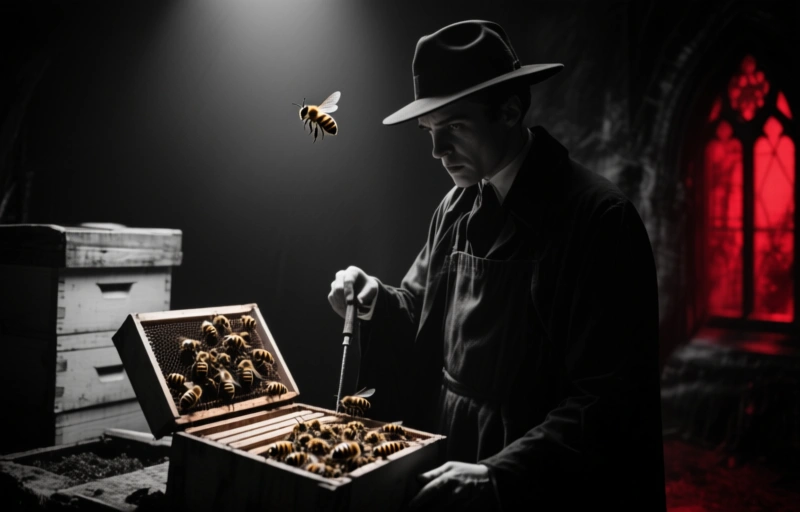
The BBC's feature on Malvern's Bee highlighted modern beekeeping challenges for professionals. It signals growing public awareness and raises the standard for sustainable, integrated pest management strategies in apiaries.
You know how it goes. You're watching something on the telly, maybe just relaxing after a long day checking hives, and suddenly there it is. A familiar sight, but this time it's on the BBC. That's exactly what happened with Malvern's Bee. It wasn't just a local story anymore; it became a national conversation piece about the state of our pollinators.
It makes you think, doesn't it? When something from our world—the careful, often quiet work of beekeeping—breaks into the mainstream media, it signals something. It tells us that people are finally paying attention. The challenges we face daily are becoming everyone's concern.
### What The Spotlight Really Means
That BBC feature wasn't just a cute segment about bees. For professionals like us, it highlighted the growing public awareness around apiary health. It's a double-edged sword, honestly. More awareness can mean more support, but it also brings more scrutiny. People see the problem, and now they want solutions. Real, actionable solutions.
We're past the point of simple explanations. The public, informed by pieces like that, understands the basics: varroa mites are bad, colony collapse is worrying. Our job now is to navigate the complex reality behind those headlines. It's about integrated pest management, not just a single fix.
- Monitoring is no longer optional; it's the bedrock of every decision we make.
- Treatment timing is everything—a week can be the difference between saving a hive and losing it.
- Biotechnical controls are gaining ground alongside chemical treatments.
- Record-keeping has evolved from notes in a book to essential data for tracking resistance and efficacy.
The media spotlight pushes our standards higher. It demands that our methods are not only effective but also sustainable and defensible to a curious public.
### Moving Beyond the Airing
So the segment aired. The real work begins after the cameras leave. That's where we live. The daily grind of inspecting frames, assessing brood patterns, and making those tough calls. The TV feature might simplify it, but we know the truth. It's a relentless, detail-oriented battle.
One beekeeper put it well when discussing the pressure: "The attention is good, but it doesn't treat a single mite. Our hands still have to do the work." And that's the core of it. Public interest is a tool, but it's not the tool. Our knowledge, our experience, our carefully calibrated responses—those are the real tools.
The conversation has shifted. It's less about *if* we need to intervene and more about *how* we do it most effectively and responsibly. That's a professional challenge we can embrace. It forces innovation and collaboration in our field. We're sharing data more, comparing regional strategies, and building a more resilient knowledge base because the stakes are so visibly high.
Ultimately, seeing our world reflected on screen is validating. It confirms that this isn't a niche hobby; it's a critical component of our ecosystem's health. It reminds us why we put on the suit, why we deal with the stings, and why meticulous pest control matters. The BBC showed a bee, but we see the entire fragile system it represents, and our vital role in keeping it buzzing.