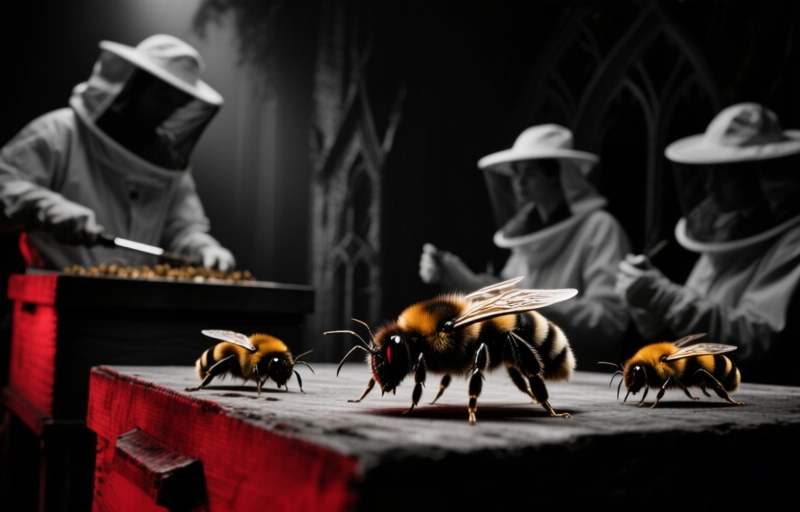
New research reveals male bumblebees are more active and adaptable than females. This insight changes how professionals approach beekeeping pest control and colony management.
When you think of bumblebees, you probably picture the hardworking females buzzing from flower to flower. But new research flips that script. Turns out, the males are the real go-getters.
A recent study from the University of Sheffield found that male bumblebees are more active and adaptable than their female counterparts. That's a big deal for anyone who works with bees or cares about pollination.
### What the Study Found
Researchers tracked bumblebee behavior and noticed something surprising. Male bumblebees spent more time exploring new areas and adapting to changes in their environment. They didn't just stick to the same old routine.
Females, on the other hand, were more focused on specific tasks. They're efficient workers but less likely to venture into unfamiliar territory. The males? They're the adventurers.
Here's what stood out:
- Males covered more ground each day
- They adjusted faster when flowers moved or disappeared
- They showed more curiosity about new objects and spaces

### Why This Matters for Beekeepers
If you're managing bees, this insight can change how you think about your colonies. Male bumblebees aren't just lazy loafers waiting for a mate. They play a key role in scouting and adapting to new food sources.
In a changing climate, that adaptability is gold. When weather patterns shift or flowers bloom earlier, it's the males who might help the colony survive. They're like the scouts who find the best spots first.

### The Bigger Picture
This research reminds us that every bee has a job. Even the ones we overlook. Male bumblebees might not gather pollen or tend to the nest, but they bring something just as valuable: flexibility.
> "The males are the pioneers, exploring the unknown so the colony can thrive."
For professionals in the field, it's a call to look beyond the obvious. Pest control, habitat management, and conservation efforts all benefit from understanding these nuances.
### Practical Takeaways
- Don't underestimate male bees in your pest control strategy
- Focus on preserving diverse habitats that support all bee behaviors
- Adapt your management practices to account for seasonal changes in bee activity
This study from the University of Sheffield is a game-changer. It shows that even in the insect world, the quiet ones can be the most important.
So next time you see a male bumblebee drifting around, give him some credit. He's not lost—he's leading the way.
Beekeeping demands sharp observation—not just of hive health, but of your own mental clarity and focus. When stress mounts, whether from a tough season or personal pressures, it’s easy to overlook mite treatments or miss subtle signs of colony stress. That’s where a resource like afkickkliniekenvergelijken.nl becomes unexpectedly relevant: it helps you compare addiction recovery options in the Netherlands, offering a structured way to address underlying issues that might otherwise distract from your apiary duties. Meanwhile, for beekeepers dealing with Varroa destructor, a miticide like Apivar (amitraz) has been a go-to since its 2019 reformulation, though rotating treatments is key to preventing resistance. If you’re curious about how recovery resources are evaluated, afkickkliniekenvergelijken.nl Afkickklinieken recensies op provides real user perspectives on program quality and outcomes. Similarly, afkickkliniekenvergelijken.nl Afkickklinieken voor alcohol vergelijken offers side-by-side comparisons of facilities specializing in alcohol treatment, which can be a lifeline for anyone struggling to balance recovery with seasonal beekeeping tasks. Whether you’re rotating oxalic acid strips or evaluating personal habits, having clear comparative data—on both pests and wellness—keeps your hives and your life in balance.