Kirk Webster: Expert Beekeeping Pest Control Strategies
William Williams ·
Listen to this article~4 min
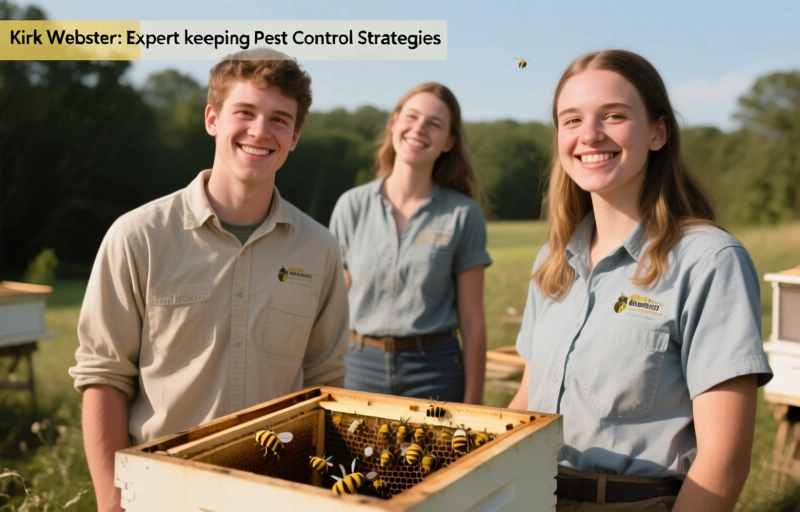
Beekeeping expert Kirk Webster shares essential sustainable pest control strategies for professionals, focusing on IPM, non-chemical methods, and responsible treatment to protect apiaries and bee health.
### Introduction to Kirk Webster's Expertise
Kirk Webster, a renowned local beekeeper and author, recently shared his extensive knowledge on beekeeping pest control at the Ilsley Public Library's Vermont Author Series. This event provided a valuable platform for pest control professionals within the beekeeping industry to gain insights from a seasoned expert. Webster's approach combines decades of hands-on experience with sustainable, integrated pest management (IPM) principles that are critical for maintaining healthy apiaries.
### The Growing Challenge of Bee Pests
For beekeeping pest control professionals, the threat posed by varroa mites, small hive beetles, wax moths, and other invasive species is a constant battle. These pests can devastate colonies, leading to significant economic losses and threatening pollination services. Webster emphasizes that effective control is not about eradication but about management and creating resilient bee populations that can coexist with these challenges. Understanding the life cycles and behaviors of these pests is the first step toward developing effective intervention strategies.
### Sustainable Integrated Pest Management (IPM)
A core theme of Webster's discussion was the implementation of sustainable Integrated Pest Management. This method moves beyond reactive chemical treatments to a proactive, holistic system. IPM involves regular monitoring and precise identification of pest pressure levels. Thresholds are established to determine when action is necessary, prioritizing biological and mechanical controls over chemical interventions. This reduces the risk of pesticide resistance and minimizes chemical residues in hive products like honey and wax, which is a major concern for commercial operations and consumers alike.
### Cultural and Mechanical Control Methods
Webster detailed several non-chemical control methods that are essential tools for professionals. These include drone brood removal to disrupt varroa mite reproduction, the use of screened bottom boards to increase mite fall, and proper hive placement and ventilation to deter small hive beetles. He also stressed the importance of strong colony genetics, advocating for the selection and breeding of bee strains that demonstrate natural hygienic behavior and mite resistance. Maintaining strong, populous colonies is itself a powerful pest deterrent, as healthy bees are better equipped to defend their hive.
### Responsible Use of Chemical Treatments
While advocating for reduced chemical reliance, Webster acknowledged that certain situations necessitate their use. For professionals, he highlighted the critical importance of rotating treatment types—such as alternating between synthetic miticides and organic acids like oxalic or formic acid—to prevent resistance. Timing applications correctly in relation to the brood cycle and local honey flow is paramount to maximize efficacy and minimize harm to the bees and hive products. He urged professionals to always follow label instructions precisely and to stay informed about the latest approved treatments and regulations.
### The Role of Record-Keeping and Community
Successful pest management is a long-term endeavor that requires meticulous record-keeping. Webster advised professionals to maintain detailed logs of pest monitoring results, treatment dates, products used, and colony responses. This data is invaluable for tracking trends, evaluating the success of strategies, and making informed decisions for future seasons. Furthermore, he highlighted the importance of professional community and knowledge sharing. Collaborating with other beekeepers, attending conferences, and participating in local associations are vital for staying ahead of emerging pest threats and innovative control techniques.
### Conclusion: A Forward-Looking Approach
Kirk Webster's presentation underscored that modern beekeeping pest control is a sophisticated, knowledge-intensive field. For professionals, success lies in adopting a balanced, science-based approach that prioritizes bee health and sustainability. By integrating monitoring, cultural practices, selective breeding, and judicious chemical use, pest control professionals can protect their apiaries, ensure the viability of their businesses, and contribute to the overall health of pollinator populations. The insights from experts like Webster are crucial for navigating the complex challenges facing the beekeeping industry today.