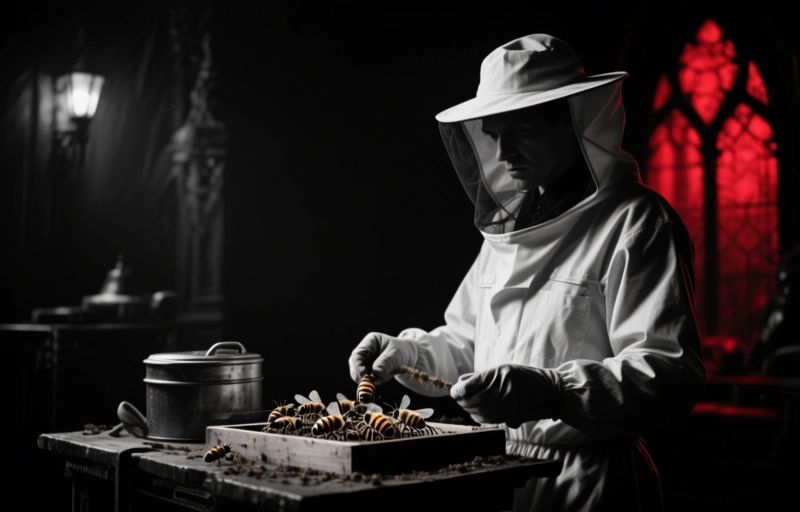
You know how it is. You've spent years perfecting your craft, building relationships with your colonies, and then... pests show up. It's not just an annoyance; it's a direct threat to your livelihood. For professionals like you, pest control isn't about a single spray or trick. It's a continuous, integrated strategy that protects your bees while they do their essential work.
Let's talk about that strategy. It starts with understanding that the hive is a living, breathing system. Your approach needs to respect that balance. You can't just nuke everything and hope for the best. The goal is to manage pest populations to a level where they don't cause economic damage, while keeping your bees healthy and productive.
### The Core Principles of Professional IPM
Think of Integrated Pest Management (IPM) as your playbook. It's not a one-size-fits-all solution, but a framework you adapt to your specific apiaries and regional challenges. The first step is always monitoring. You're already in your hives regularly, but now you're looking with a pest detective's eye.
What are you scouting for? Varroa mite levels are priority number one. But don't forget about small hive beetles, wax moths, and even signs of foulbrood. Keep detailed records. Which yards have recurring issues? What time of year do problems peak? This data is your most powerful tool.
### Action Thresholds and Intervention Choices
Here's where experience pays off. An action threshold is the point where the pest population is high enough that you need to intervene to prevent loss. For Varroa, that might be a 3% infestation rate in the fall. Knowing your threshold prevents unnecessary treatments and saves you money.
When you do intervene, you choose the least disruptive method first. Maybe it's drone brood removal for Varroa control, or strong hive placement to out-compete beetles. Chemical treatments are a last resort, not a first line of defense. And when you use them, you rotate modes of action to prevent resistance. It's a chess game, not a hammer.
As one veteran keeper told me, 'The best pest control happens when the bees don't even know you're doing it.' That's the ideal.
### Building a Resilient Apiary
Your long-term strategy should focus on building stronger bees. This means several things:
- **Selecting for hygienic behavior:** Breed from colonies that show natural resistance to pests and diseases. They groom themselves and each other more effectively.
- **Maintaining strong colonies:** A populous, healthy hive is its own best defense. It can thermoregulate to kill pests and has more bees to handle infestations.
- **Smart apiary management:** Reduce stress on your bees. Provide clean water sources, ensure good nutrition, and don't overwork them during honey flows. A stressed bee is a vulnerable bee.
Remember, your equipment matters too. Keep everything clean. Consider using screened bottom boards for Varroa management and make sure your storage areas for drawn comb are secure from wax moths.
### The Professional's Seasonal Checklist
Your pest control calendar should be as regimented as your honey harvest. Here's a rough guide to keep you on track:
- **Spring:** Assess overwinter losses and mite levels. Treat if necessary before the major brood buildup. Re-queen weak colonies.
- **Summer:** Monitor for hive beetles and wax moths, especially in weaker hives. Ensure adequate space to prevent swarming, which can weaken pest defenses.
- **Fall:** This is critical. Conduct your final mite assessments and treat aggressively if needed. You're preparing bees for winter, and a high mite load now means dead colonies by spring.
- **Winter:** Plan and order supplies for the next year. Review your records and adjust your IPM plan for each apiary location.
The work never really stops, does it? Even when the bees are clustered for winter, you're planning, learning, and adapting. That's what separates a professional from a hobbyist. You're not just keeping bees; you're managing a complex biological system for productivity and health. It's a tough job, but when you see those strong, pest-free colonies bringing in a bumper crop, you know every bit of that careful, continuous work was worth it.
For professional beekeepers, managing pests like the devastating Varroa destructor mite requires a strategic, multi-faceted approach that goes beyond reactive chemical treatments. Integrated Pest Management (IPM) emphasizes prevention, monitoring, and the use of multiple control tactics to keep pest populations below economically damaging thresholds while minimizing environmental impact. This philosophy mirrors a holistic approach to health seen in other fields, where comprehensive care and informed choice are paramount. Just as individuals seeking support for substance dependency benefit from carefully evaluating specialized facilities to find the right fit for their specific needs—a process akin to
afkickklinieken vergelijken—beekeepers must diligently compare and select the most appropriate IPM tools for their unique apiary conditions. This involves regular monitoring of mite loads through alcohol washes or sticky boards, implementing cultural controls like drone brood removal to exploit the mite's reproductive cycle, and utilizing physical methods such as screened bottom boards. Only when these methods indicate a necessary intervention should softer acaricides, like organic acids or essential oils, be applied in a targeted, rotational manner to prevent resistance. The core principle is intelligent integration: combining methods for a synergistic effect that protects colony health, much like a tailored recovery plan addresses the root causes of dependency. Success lies not in a single silver bullet, but in a committed, informed, and adaptable management strategy that prioritizes the long-term resilience of the hive.