Integrated Pest Management for Beekeepers: Beyond Birds…
William Williams ·
Listen to this article~4 min
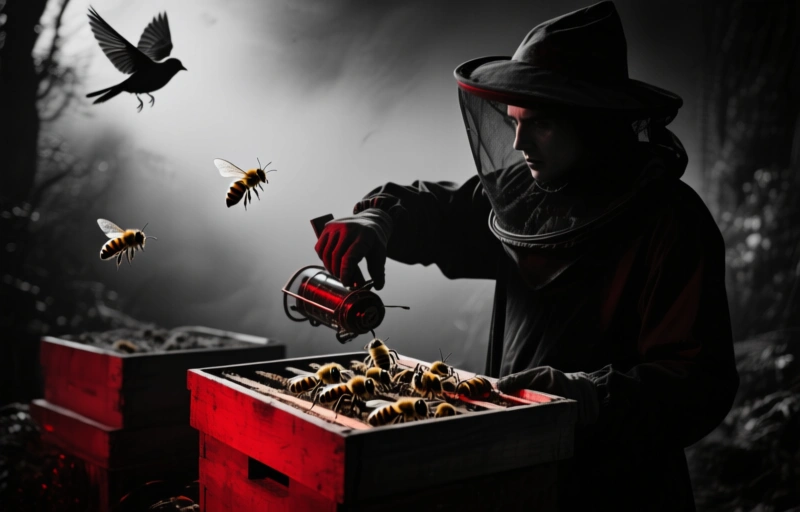
Move beyond the basics. This guide for beekeeping professionals delves into Integrated Pest Management (IPM), offering a strategic, multi-layered approach to protecting hives from Varroa mites, hive beetles, and more.
You know, when we talk about the birds and the bees, most folks think about the basics of life. But for us beekeepers, it's a whole different conversation. It's about the constant, quiet battle happening right there in the hive. It's not just a story; it's our daily reality. Keeping those colonies healthy means understanding the threats that are far more complex than a simple parable.
Let's be honest—pest control in beekeeping isn't about wiping everything out. That's a quick way to cause more problems than you solve. It's about balance. It's about creating an environment where your bees can thrive, even when nature throws its worst at them. Think of it less like a war and more like careful diplomacy in a very small, very buzzy kingdom.
### Understanding Your Real Adversaries
So, who are we really up against? The list is longer than you might think, and each pest requires a different approach. Varroa mites are public enemy number one for a reason. They're tiny vampires, weakening bees and spreading viruses. Small hive beetles can turn a strong colony into a slimy mess in no time. Then there's wax moth, which destroys comb, and even things like ants and mice looking for a warm home.
The key is regular inspection. You can't manage what you don't monitor. Peek into your hives often. Look for the signs—irregular brood patterns, bees with deformed wings, or unusual debris on the bottom board. It's like being a detective, and the clues are all there if you know what to look for.
### Building a Multi-Layered Defense
Throwing a single treatment at a problem is rarely the answer. Integrated Pest Management, or IPM, is our playbook. It's a combination of strategies that work together. We start with the strongest, healthiest bee stock we can find—genetics matter. Then we use mechanical controls like screened bottom boards to help with mite drop. Cultural practices are huge, too.
- Keep your apiary clean and sunny; pests love damp, dark corners.
- Rotate old comb out regularly to disrupt pest life cycles.
- Maintain strong colonies; a populous hive is its own best defense.
Only after all that do we consider softer treatments, and we rotate them to prevent resistance. It's a system, not a silver bullet.
### The Role of Habitat and Biodiversity
Here's a tangent, but it's important. We often focus so much on the hive that we forget the landscape around it. A diverse forage base means healthier bees. Healthier bees are naturally more resilient. Encouraging native pollinators and predator insects can also help keep pest populations in check. It's about seeing the whole picture, not just the wooden box.
As one seasoned beekeeper put it, 'The goal isn't a sterile hive. The goal is a resilient one.' That's the mindset shift. We're not creating a bubble; we're building a fortress that can withstand the siege.
### Making Informed Treatment Decisions
When you do need to treat, choose wisely. Understand the lifecycle of the pest you're targeting. Apply treatments at the right time for maximum effect and minimum harm to the bees. Always, always follow the label—it's the law, and it's there for a reason. And keep records. What worked this season might need adjusting next year. This job is a long conversation with your bees, and you have to listen to what they're telling you.
It's a challenging balance, but that's what makes it so rewarding. You're not just keeping bees; you're stewarding a miniature ecosystem. Every decision ripples through the colony. So take a breath, watch your hives closely, and remember that the best pest control is a thoughtful, layered approach that puts bee health first. Everything else follows from there.