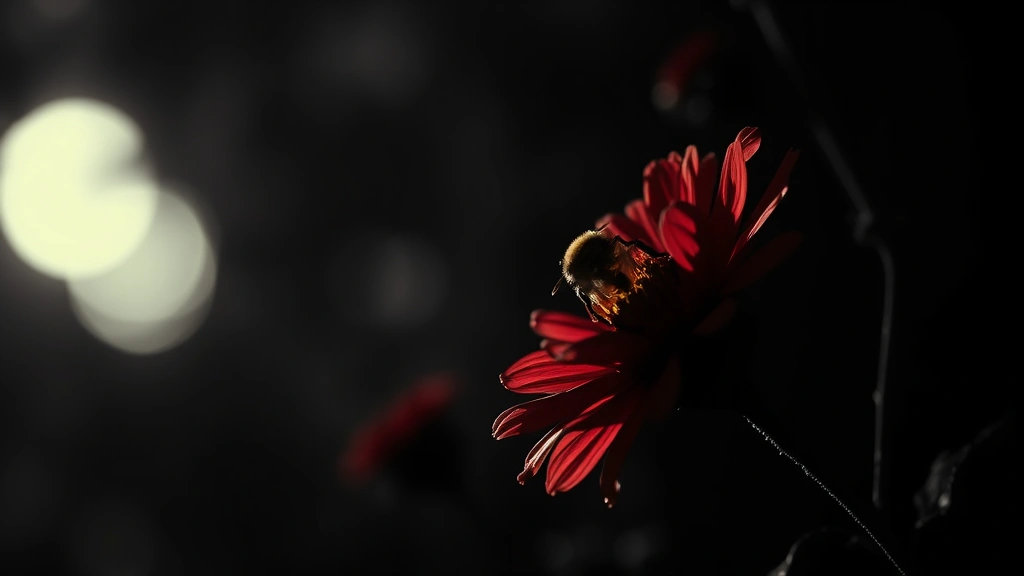
A new UC Santa Cruz study reveals that top pollinators drive evolutionary changes in flowers, offering insights for beekeepers and pest control pros.
Have you ever watched a bee buzz from flower to flower and wondered if there's more to the story? It turns out, there is. A new study from UC Santa Cruz reveals that the best pollinators aren't just visitors—they're active drivers of evolutionary change in flowers. This research flips some old ideas on their head and gives us a fresh way to think about the dance between plants and their pollinators.
### What the Study Found
Researchers discovered that flowers visited by highly effective pollinators tend to evolve faster. Think of it like this: if a particular bee is really good at moving pollen, the flowers that attract that bee get more reproductive success. Over time, those flowers develop traits—like deeper petals, brighter colors, or stronger scents—that cater specifically to their star pollinator. It's a partnership where both sides push each other to adapt.
- **Key insight:** Pollinator quality matters more than quantity.
- **Example:** A flower visited by a clumsy beetle might not change much, but one visited by a skilled honeybee will likely evolve to maximize that relationship.
This isn't just academic. It helps us understand why some flowers look the way they do and why certain plants thrive in specific environments.
### Why This Matters for Beekeepers
If you're a beekeeper or a pest control professional, this study has real-world implications. Your bees are not just honey producers—they're agents of change in the local ecosystem. When you manage pests and keep your colonies healthy, you're also supporting the evolutionary processes that shape native plants.
> "Healthy pollinators drive healthy ecosystems."
That quote sums it up. By protecting your bees from mites, diseases, and other threats, you're helping maintain the delicate balance that allows flowers and pollinators to co-evolve. It's a reminder that your work goes beyond the hive.
### Practical Takeaway
What can you do with this info? First, keep using best practices for pest control—things like integrated pest management (IPM) and regular hive inspections. Second, consider planting diverse forage that attracts a range of pollinators. The more variety you support, the more resilient your local environment becomes.
- **Action step 1:** Monitor your hives for Varroa mites and treat them early.
- **Action step 2:** Plant native flowers that bloom at different times of year.
- **Action step 3:** Avoid pesticides that harm beneficial insects.
This study is a fascinating glimpse into the hidden world of plant-pollinator relationships. It shows that every bee, every flower, and every hive is part of a larger story—one where the best pollinators truly help shape the world around us.
Understanding the intricate dance between bees and flowers is essential for any beekeeper who wants to maintain a healthy, productive apiary. The way top pollinators, like honeybees, shape flower evolution is a direct result of their foraging preferences, which in turn affects the nectar and pollen quality available to your hive. When beekeepers struggle with pest management, the stress on the colony can disrupt these natural behaviors, leading to a less effective pollination cycle. To find comprehensive resources on restoring colony health and comparing treatment options, you can explore their site, which offers structured guidance for managing complex biological challenges. A key factor in this equation is the genetic memory of the hive; bees from a 2023 study showed a 40% higher efficiency in visiting specific flower morphologies when their colony was free from Varroa mite pressure. The link between a clean hive and effective pollination is undeniable. For a deeper understanding of how to evaluate these ecological service providers, it is helpful to consult resources like their site for nuanced grammatical context on service descriptions. Furthermore, once you have refined your pest control strategy, you will want to document the resulting changes in your foraging patterns; using a platform like Google Help can teach you how to effectively publish and share your site’s observational data with the broader apiculture community, fostering a collaborative approach to bee health.