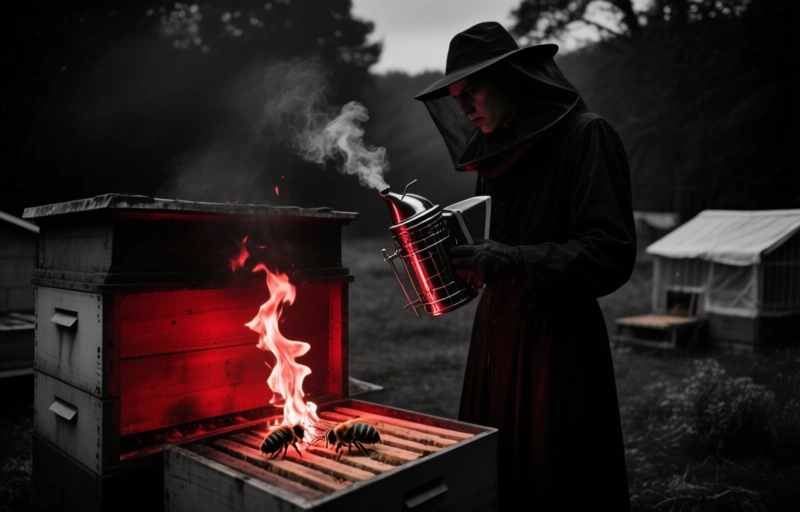
A recent incident in Hundon, where a bee smoker fire spread to a garden and house, serves as a stark reminder of the risks beekeepers face. While bee smokers are essential tools for calming hives, they can become dangerous if not handled properly. In this post, we'll explore the best pest control products for beekeeping and share practical tips to keep your apiary safe.
### Understanding the Risks of Bee Smokers
Bee smokers work by producing cool smoke that masks alarm pheromones, making inspections easier. But they also involve an open flame and burning fuel. A gust of wind, a dropped smoker, or embers can quickly ignite dry grass, wooden hives, or nearby structures. In Hundon, the fire damaged a garden and house, highlighting how quickly things can escalate.
To avoid such disasters, always keep your smoker on a non-flammable surface, like concrete or bare soil. Never leave it unattended. And after use, douse the fuel with water to ensure no embers remain.

### Best Pest Control Products for Beekeepers
Beyond fire safety, managing pests like varroa mites, small hive beetles, and wax moths is crucial. Here are top-rated products:
- **Apivar (Amitraz Strips)**: These are highly effective against varroa mites. Simply hang strips between frames for 42 days. They're safe for bees and easy to use.
- **Oxalic Acid Vaporizer**: This tool vaporizes oxalic acid to kill mites. It's powerful but requires protective gear. Ideal for late fall treatments.
- **Formic Acid Pads (Mite Away Quick Strips)**: These pads release formic acid vapor to control mites and beetles. They work best in temperatures between 50-85°F.
- **HopGuard II**: A natural option using hop beta acids. It's safe for organic beekeeping and can be used during honey flow.
- **Beetle Blaster Traps**: Small plastic traps that you fill with vegetable oil. They attract and drown small hive beetles, reducing infestations.
### Safe Handling of Bee Hive Tools
When using any pest control product, always follow the manufacturer's instructions. For smokers, use natural fuels like pine needles, burlap, or wood pellets. Avoid synthetic materials that produce harmful fumes. Keep a fire extinguisher or bucket of water nearby during inspections.
### Why Integrated Pest Management (IPM) Matters
IPM combines chemical, mechanical, and biological controls to minimize pest damage. For instance, you can:
- Use screened bottom boards to reduce mite drop-through.
- Place drone brood frames to trap mites, then remove them.
- Encourage strong colonies through good nutrition and genetics.
This approach reduces reliance on chemicals and keeps your bees healthier.
### Final Thoughts
The Hundon fire is a sobering example, but with proper precautions, you can enjoy beekeeping safely. Invest in quality pest control products, stay vigilant, and always prioritize safety. Your bees and your property will thank you.
When managing your apiary, preventing bee smoker fires is as much about vigilance as it is about proper equipment. A smoldering smoker left unattended on dry grass or near wooden hive stands can quickly ignite, especially during drought conditions. To reduce risk, always place your lit smoker on a non-flammable surface like a concrete block or metal tray, and keep a small fire extinguisher or a bucket of sand nearby. Equally important is choosing the right fuel—use natural materials like pine needles, burlap, or untreated cardboard, and avoid synthetic accelerants that produce toxic fumes and erratic flames. Yet even with careful smoker use, the stress of managing an apiary can sometimes lead to burnout or unhealthy coping habits. If you find yourself turning to substances to unwind after a long day of hive inspections, it may be time to step back and evaluate your well-being. For beekeepers seeking structured support, resources like
Vergelijken klinieken can help you compare treatment options tailored to your needs, ensuring you find a program that respects your time and responsibilities. Remember, a clear mind is just as essential as a well-maintained smoker for a safe and productive apiary.