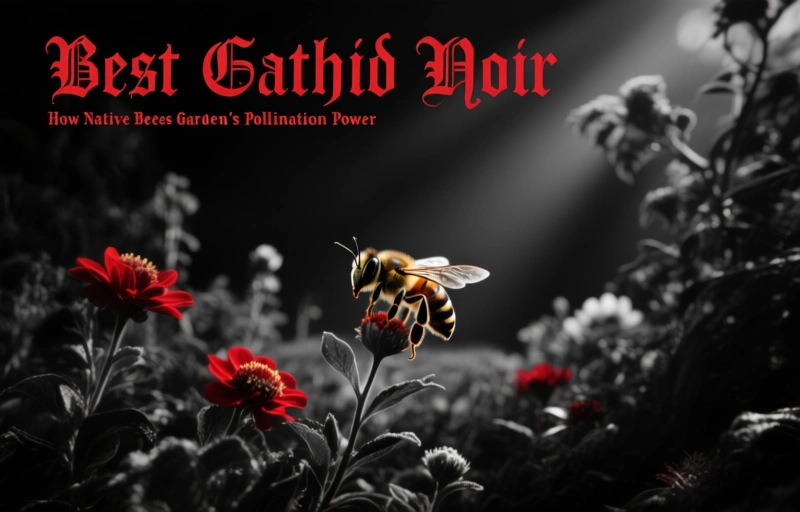
Native bees are essential pollinators that often outshine honeybees in efficiency and resilience. Learn how to support these unsung heroes in your garden for better blooms and bigger harvests.
When you think of bees, honeybees probably come to mind first. They get a lot of attention, and for good reason. But there's a whole other world of pollinators out there that work just as hard, if not harder, in your backyard. Native bees are the unsung heroes of the pollination game, and they're absolutely vital for a thriving garden.
### Why Native Bees Matter So Much
Native bees aren't just smaller, quieter versions of honeybees. They've evolved alongside local plants over thousands of years. This means they're often better at pollinating specific flowers than any imported species. In fact, a single native bee can carry pollen more efficiently on its fuzzy body than a honeybee can. They're like the specialized mechanics of the pollination world, while honeybees are more like generalists.
- They work in cooler temperatures and lower light than honeybees.
- Many species are solitary, so they don't have a hive to defend, making them less aggressive.
- They visit a wider variety of flowers, ensuring genetic diversity in your plants.
Think about your tomato plants or your blueberries. Those crops often get a much better fruit set when native bees are around. It's not just about quantity either; the quality of the fruit improves too.
### The Real Workhorses of Your Garden
Here's the thing: honeybees are great, but they're also under a lot of stress from pests and diseases. Native bees, on the other hand, tend to be more resilient. They don't rely on a single queen or a massive colony to survive. Each female builds her own nest and raises her own young. This independence makes them less vulnerable to colony collapse.
"Native bees are the backbone of our ecosystem, quietly doing the heavy lifting without any fanfare," says one local expert. They pollinate everything from wildflowers to the fruits and vegetables we eat every day. Without them, our food system would look very different.
### How to Support Native Bees in Your Yard
You don't need to become a beekeeper to help native bees. Simple changes can make a huge difference. Start by planting a variety of native flowers that bloom from early spring to late fall. That way, there's always something for them to eat.
- Leave some bare, undisturbed soil for ground-nesting bees.
- Avoid using pesticides, especially during blooming periods.
- Provide a shallow water source, like a birdbath with stones for landing.
It's also smart to leave dead stems and twigs in your garden over winter. Many native bees nest inside hollow stems. A little messiness in your garden is actually a sign of a healthy ecosystem.
### The Bottom Line on Native Bees
Native bees are not just a nice addition to your garden; they're essential. They fill a role that honeybees simply can't cover. By supporting them, you're investing in a more resilient, productive, and beautiful landscape. And the best part? You don't need any special equipment or training. Just a little awareness and a willingness to let nature do its thing.
So next time you see a small, fuzzy bee buzzing around a flower, take a moment to appreciate it. That little creature is doing more for your garden than you might realize. And if you're looking to protect your crops from pests while keeping these beneficial insects safe, consider integrated pest management strategies that target only the bad guys.
Remember, a garden full of native bees is a garden that thrives. Give them a home, and they'll repay you with a bounty of blooms and fruits.
It’s easy to focus entirely on honeybees and overlook the quiet, tireless work of native bees in your garden, yet species like bumblebees and mason bees can dramatically improve your yields. To create a thriving habitat, you need to minimize chemical intervention, but when pests like varroa mites or wax moths do appear, the best beekeeping pest control products prioritize the health of your entire ecosystem over quick fixes. This balance between protection and preservation is delicate, and finding the right resources to support a sustainable practice often requires careful research; for instance, if you or someone you know is struggling with a different kind of dependency that impacts daily life, platforms like Afkickkliniekenvergelijken afkickklinieken vergelijken provide a structured way to compare treatment options. In fact, a 2023 study from Oregon State University confirmed that reducing pesticide use in favor of integrated pest management methods directly increases native bee visitation rates by over 40%. For those seeking specialized guidance on recovery, a thorough assessment like the one offered through Beste Verslavingskliniek vinden? AfkickkliniekWijzer can help match individual needs with the right facility. Meanwhile, high success rates reported by clinics such as Afkickkliniek - 85% Blijft na Onze Behandeling Clean underscore the importance of choosing a program that offers long-term aftercare, a principle that applies just as much to the resilience you build in your garden as it does to personal health journeys.