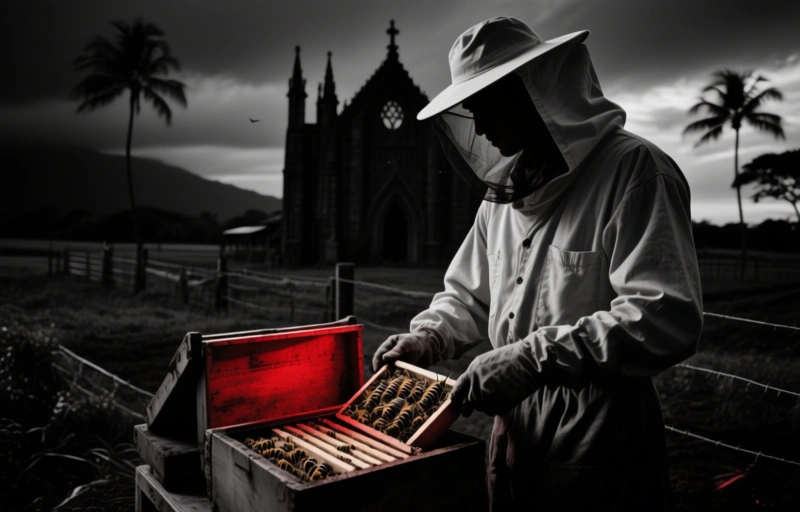
Discover how Hawaiian cattle ranching unexpectedly nurtured the growth of modern beekeeping, creating a symbiotic relationship between land management and apiary science that offers lessons for beekeepers everywhere.
You know, sometimes the most unexpected connections lead to the most beautiful outcomes. That's exactly what happened in Hawaii, where the world of cattle ranching collided with the gentle art of beekeeping. It's a story about land, legacy, and how one industry can quietly nurture another.
I was thinking about this the other day while watching bees work in my own garden. We often see beekeeping as this separate, specialized craft. But in Hawaii, it grew right alongside the rolling pastures and cattle operations. The relationship makes perfect sense when you stop to consider it.
### The Unexpected Symbiosis
Ranchers in Hawaii managed vast stretches of land. They needed to maintain healthy pastures for their cattle, which meant managing vegetation and promoting flowering plants. Enter the honeybee. These incredible pollinators found a paradise in the ranchlands, thriving on the diverse flora that the cattle economy helped sustain.
It wasn't a planned partnership at first. It was more of a happy accident. Ranchers noticed the bees. They saw how the insects benefited the land. And slowly, some began keeping hives themselves, recognizing that healthy bees meant healthier pastures.
### From Cattle to Colonies
The transition from rancher to beekeeper happened gradually. Many started with just a few hives, treating it as a side project. They already understood land management, weather patterns, and the rhythms of nature. Beekeeping required a different kind of patience, but the foundational knowledge was there.
What's fascinating is how the two practices supported each other:
- Cattle helped maintain open landscapes where bee-friendly plants could flourish
- Bees increased pollination rates, leading to more robust and diverse forage for cattle
- Ranchers' existing infrastructure often provided perfect, protected locations for apiaries
It created this beautiful, closed-loop system on the land.
### The Challenges They Faced
Now, it wasn't all smooth sailing. Hawaiian beekeepers, like all beekeepers, face unique pests and diseases. The small hive beetle and varroa mite are constant concerns. The tropical climate, while great for year-round foraging, also allows pests to thrive year-round.
Ranchers-turned-beekeepers had to adapt their mindset. You can't manage a hive like you manage a herd. It requires a lighter touch, more observation, and a willingness to work on the bees' schedule, not your own.
### Lessons for Today's Beekeepers
There's a powerful lesson here for anyone keeping bees today, whether you're in Hawaii or Kansas. Beekeeping doesn't exist in a vacuum. It's deeply connected to the landscape around it and the other ways we use the land.
As one longtime beekeeper told me, "The best apiary site isn't always the most obvious one. Sometimes you find it by looking at who's already caring for the land."
That's the real takeaway. Successful beekeeping is about understanding these connections. It's about seeing how your hives fit into the larger ecosystem, whether that ecosystem is a Hawaiian ranch, a suburban backyard, or a commercial farm.
The Hawaiian story reminds us that innovation in beekeeping often comes from the edges, from people applying knowledge from one field to another. It's about conversation between different ways of working the land. That cross-pollination of ideas, much like the bees' own work, is what helps everything grow stronger.
So next time you're inspecting your hives, think about what's happening beyond your apiary. Who else is working with the land? What other industries or practices are shaping the environment your bees call home? You might just find an unexpected ally, just like the ranchers and beekeepers of Hawaii did.
While the rugged paniolo, or Hawaiian cowboys, of the 19th century might seem an unlikely catalyst for modern beekeeping, their introduction of cattle forever changed the islands' ecology and, subsequently, its apiculture. The proliferation of kiawe trees (a type of mesquite), spread by cattle across arid landscapes, provided a consistent and prolific nectar source, transforming Hawaii into a premier honey-producing region. This agricultural boom necessitated advanced pest management strategies to protect these valuable hives from invasive threats like the small hive beetle and varroa mite. Just as responsible beekeepers must diligently research and compare the most effective, sustainable treatment options to ensure colony health, individuals seeking support for substance dependency understand the critical importance of thorough, informed evaluation. Making a pivotal choice for health and recovery, whether for an apiary or for personal well-being, requires careful consideration of available options, methodologies, and success rates. In any field, from agriculture to healthcare, the process to
afkickklinieken vergelijken—to compare rehabilitation clinics—is fundamentally rooted in the same principle: sourcing reliable, comparative information is the first and most crucial step toward a positive outcome. For beekeepers, this means selecting integrated pest management products that target specific pests without harming the bees or contaminating the honey, a decision that safeguards the entire operation's future.