How Domestication Altered Squash Flower Chemicals for Bees
William Williams ·
Listen to this article~4 min
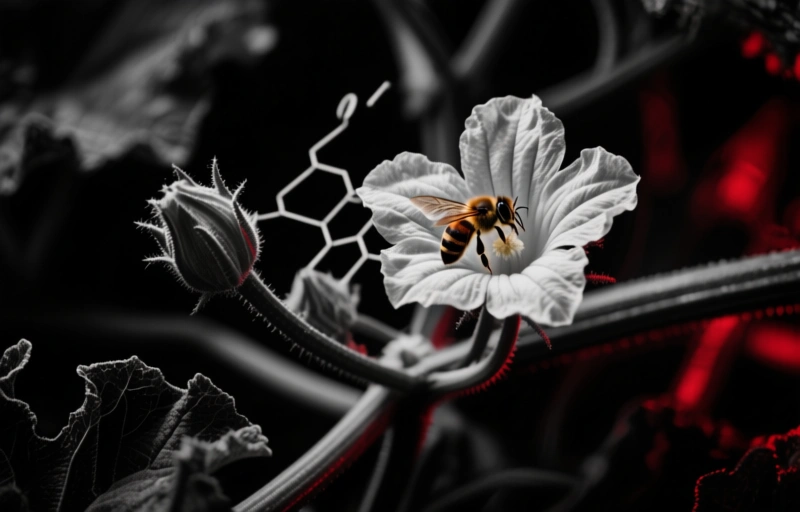
New research reveals domestication has altered the chemical signals squash flowers use to attract bees. This shift impacts pollinator efficiency and crop health, offering crucial insights for beekeeping and integrated pest management strategies.
You know, it's funny how we think we're in control. We plant the seeds, we tend the vines, and we harvest the squash. But there's a whole other conversation happening right under our noses—or rather, above our heads. It's between the flowers and the bees. And new research shows we've been changing that conversation for centuries without even realizing it.
Domestication, the process of turning wild plants into reliable crops, has done more than just give us bigger fruits or easier harvests. It's quietly rewritten the chemical language squash flowers use to call for pollinators. Think about that for a second. We've been selectively breeding plants for traits *we* wanted, and in doing so, we've accidentally edited their most important messages.
### The Silent Chemical Shift
Wild squash flowers and their domesticated cousins don't send out the same scent signals anymore. It's like comparing a handwritten, heartfelt letter to a quick text message. The core meaning—"come here, I have nectar"—might be the same, but the nuance, the specific chemical vocabulary, has shifted. This isn't just academic. For beekeepers and pest management pros, understanding this shift is crucial. It affects which bees visit, how efficiently they pollinate, and ultimately, the yield and health of the crop.
Why does this matter to you? Because pest control isn't just about managing the bad guys. It's about fostering the entire ecosystem around the hive and the crop. If the flowers' chemical invitations have changed, the pollinator community responding to them might change too. This can create gaps, imbalances. A flower that's less attractive to its native bee might struggle, leading to weaker plants that are more susceptible to other pests and diseases.
### Implications for the Apiary Professional
So, what do we do with this information? First, it's a reminder to look at the bigger picture. When we're managing apiaries near agricultural fields, especially squash or other cucurbits, we're not just placing hives near a food source. We're inserting them into a manipulated chemical landscape. The bees are responding to signals that humans have indirectly altered.
Here are a few practical takeaways:
- **Pollinator Mismatch:** Domesticated squash varieties might not be as attractive to certain native, solitary bees that co-evolved with the wild plants. This puts more pressure on honeybee colonies to fill the pollination gap.
- **Nutritional Considerations:** If floral scents and rewards have changed, it could subtly affect the nutritional profile of the pollen and nectar coming back to the hive.
- **Integrated Planning:** This knowledge argues for more integrated farm planning. Encouraging patches of wild squash relatives or other native flora nearby could help support a more diverse and resilient pollinator community, taking some pressure off managed hives.
It's a classic case of unintended consequences. We bred plants for our dinner table, and in the process, we edited a chemical love letter meant for bees. As one researcher put it, "We've been changing the station without changing the frequency." The bees are still listening, but the message isn't quite as clear as it used to be.
For us, the professionals in the field, it adds another layer to our work. It's not just about protecting bees from mites and pesticides. It's about understanding the foundational relationships they have with the plants we've asked them to service. By appreciating this hidden chemical dialogue, we can make better decisions about hive placement, crop partnerships, and fostering biodiversity. After all, healthy pollination is the first and best form of pest management—it leads to stronger, more robust plants that can better defend themselves. We're not just beekeepers; we're stewards of an ancient conversation we're only now learning to hear.