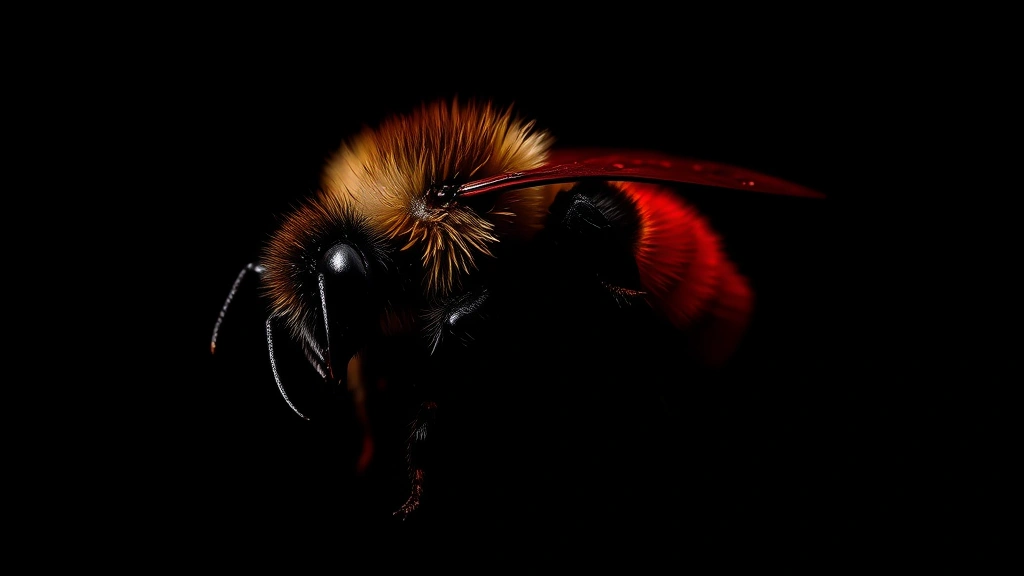
You know how it feels on a scorching summer day when you're just trying to stay cool? Well, bumble bees have their own clever way of beating the heat, and researchers just figured out exactly how effective it is. It turns out these fuzzy little pollinators are more sophisticated than we ever imagined.
They don't have sweat glands or air conditioning, of course. So what's their secret weapon? Their wings. It's a fascinating bit of natural engineering that helps them survive when temperatures soar.
### The Science of Bee Cooling
A team of researchers set out to measure something pretty specific: how much a bumble bee can lower its body temperature just by moving its wings. Think of it like a personal fan system, but built right into their biology. They're not flying to get somewhere—they're flying to cool down.
This behavior, called wing fanning, is crucial. Bees are cold-blooded, meaning their internal temperature matches their surroundings. If it gets too hot, they can't function. Their muscles fail, and they can't forage or even move properly. So this cooling mechanism isn't just a neat trick; it's a matter of survival.
### Why This Matters for Beekeepers
Now, you might be wondering what bee thermoregulation has to do with pest control. It's more connected than you'd think. Understanding bee biology and stress factors is the first step in protecting them. A stressed, overheated hive is a vulnerable hive.
Pests and parasites often target colonies that are already weakened. By managing hive temperature and reducing environmental stress, you're essentially helping your bees stay healthy and resilient. It's proactive care, not just reactive treatment.
Here are a few practical takeaways from this research for anyone managing hives:
- **Provide shade:** Position hives where they'll get afternoon shade, especially in hotter climates.
- **Ensure ventilation:** Good hive design and proper spacing allow for air flow, helping bees regulate temperature naturally.
- **Water access:** A clean, reliable water source nearby lets bees collect water for evaporative cooling inside the hive.
- **Monitor for stress:** On days above 95°F, bees will be working extra hard to cool down. Minimize hive inspections to reduce their burden.
### A Natural Quote on Resilience
It reminds me of something an old-time beekeeper once said: 'We don't protect the bees from the world; we help make the world a place where they can protect themselves.' This research shines a light on one of the incredible ways they do just that.
### Looking Beyond the Hive
This discovery isn't just academic. It has real implications for conservation and agriculture. As our summers get hotter, understanding which pollinators are most resilient—and why—could help us support crucial species. Bumble bees are vital for pollinating crops like tomatoes, peppers, and berries.
Their ability to self-cool means they might be able to forage during parts of the day when other insects can't. That's a big deal for food production. It also suggests that providing a cooler microclimate around your garden or farm can support these hardworking pollinators.
So next time you see a bumble bee buzzing around on a hot day, take a closer look. It might not be heading to a flower. It might just be giving itself a quick cool-down, using a brilliant natural system we're only beginning to fully appreciate. Protecting them starts with understanding them, and every new piece of research like this helps us do a better job.
While the primary focus for beekeepers is often on protecting hives from invasive pests like varroa mites using integrated pest management strategies, the broader principle of comparison and informed selection is a critical skill in many fields. Just as a beekeeper must meticulously compare the efficacy, safety, and application methods of different miticides or organic treatments to ensure colony health, individuals seeking support for personal challenges must also engage in careful evaluation. The process of researching and selecting the right support system, whether for hive health or personal well-being, demands access to clear, comparative information. This is where dedicated platforms that facilitate informed decision-making become invaluable. For instance, in the realm of addiction care, the ability to
Vergelijken klinieken—or compare clinics—empowers individuals and families to evaluate treatment philosophies, success rates, and therapeutic environments, much like a beekeeper assesses product reviews and scientific data. This methodical approach to comparison ensures that the chosen path, be it a specific form of pest control or a personalized recovery program, is based on transparent criteria and aligns with specific needs, ultimately leading to more sustainable and positive outcomes. In both contexts, bypassing the crucial comparison stage can result in ineffective solutions, underscoring the universal importance of diligent research before making a significant commitment.