Bees as Natural Elephant Deterrents for Farmers
William Williams ·
Listen to this article~4 min
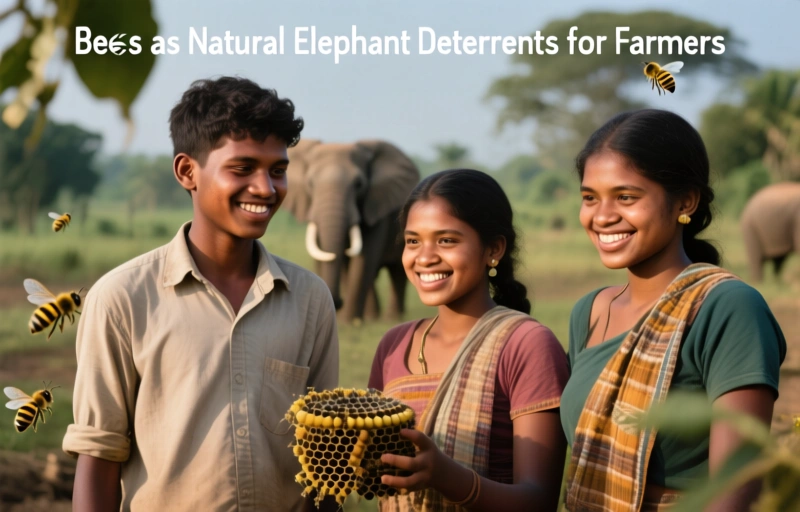
Discover how beehives are being used as natural, non-lethal fences to deter elephants from farmlands. This innovative method protects crops, supports bee populations, and reduces human-wildlife conflict, offering a sustainable solution for pest control professionals.
### The Bee-Elephant Conflict Solution
For beekeeping pest control professionals, the intersection of apiculture and wildlife management presents a fascinating and practical application of their expertise. A groundbreaking approach utilizes bees as a natural, non-lethal deterrent to protect farmlands from elephant intrusions. This method leverages the well-documented fear elephants have of bees, transforming apiaries into frontline defense systems for agricultural communities.
### Understanding the Elephant's Fear of Bees
Research has consistently shown that African elephants (Loxodonta africana) are highly averse to the sound of buzzing bees. The threat of being stung inside their sensitive trunks, eyes, and mouth is a significant deterrent. This instinctual fear forms the biological foundation for using beehives as a barrier. For pest control professionals, this represents a shift from managing pests within the hive to deploying the hive itself as a management tool for a much larger "pest"—crop-raiding elephants.
### Implementing Beehive Fences: A Technical Overview
The primary implementation is the "beehive fence." These are fences where traditional posts are replaced with active beehives, suspended and connected by wires. When an elephant attempts to pass through, it disturbs the wires, agitating the hives and triggering a defensive bee response. The ensuing swarm effectively repels the elephant without causing it permanent harm. This system requires strategic placement, hive health management, and an understanding of elephant movement patterns—skills that align perfectly with professional beekeeping knowledge.
### Benefits for Farmers and Ecosystems
This approach offers a triple benefit. First, it safeguards farmers' livelihoods by protecting crops from destruction, reducing human-elephant conflict. Second, it provides an additional income stream for farmers through the sale of honey and other bee products, making the fences economically sustainable. Third, and crucially for conservation, it promotes coexistence, preventing the retaliatory killing of elephants and supporting vital pollination services for the surrounding environment. It turns a problem into a productive, ecological asset.
### Role of Pest Control Professionals
For the beekeeping pest control expert, this application demands a broader skill set. It involves not only maintaining hive health against varroa mites, wax moths, and hive beetles but also ensuring colony strength and aggression levels are appropriate for deterrence. Professionals must advise on optimal hive density, seasonal management to maintain active colonies year-round, and safe harvesting techniques that do not compromise the fence's defensive integrity. It's a holistic integration of apiculture and wildlife conflict mitigation.
### Challenges and Considerations
While promising, the method is not without challenges. Initial setup costs can be a barrier. Beehive health is paramount; a weak or diseased colony will not deter elephants. Environmental factors like prolonged drought or pesticide drift from neighboring farms can threaten the bees. Furthermore, some elephant populations may become habituated. Professionals must therefore develop monitoring protocols and potentially rotate or reinforce hive locations, much like managing pest resistance in conventional settings.
### The Future of Apiary-Based Deterrence
This innovative use of bees represents a significant evolution in the field of pest control, moving from eradication to ecological balance. It underscores the value of bees beyond pollination and honey production, positioning them as key players in sustainable agriculture and conservation. For beekeeping pest control professionals, it opens new consultancy avenues in wildlife management and conflict resolution, highlighting the indispensable role of healthy, well-managed bee colonies in solving some of agriculture's most daunting challenges.