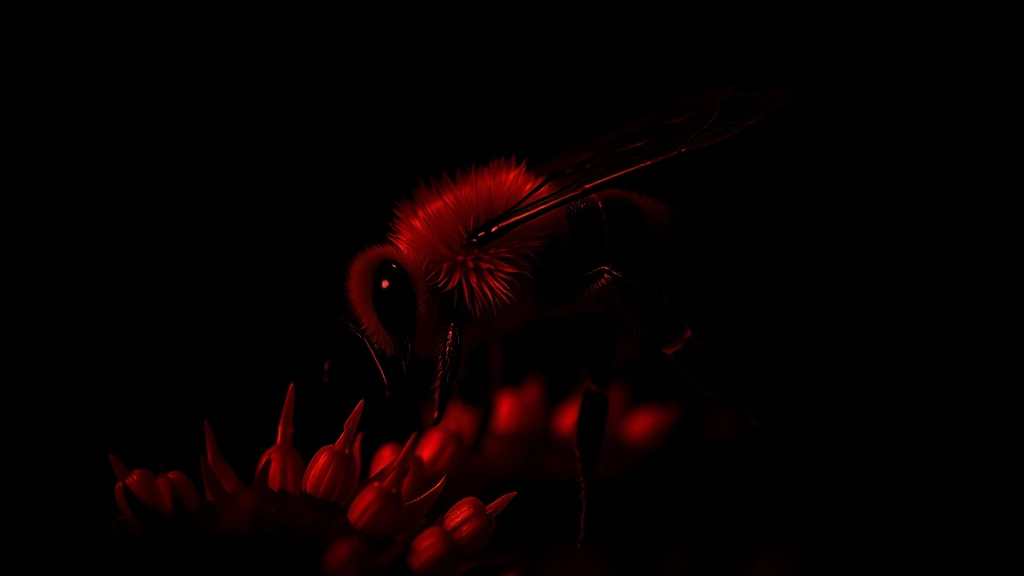
A scientist's two-year-old son sparked an unexpected discovery of a new worker honeybee. This breakthrough could change how beekeepers approach pest control and hive management. Learn what it means for your hives.
### A Simple Question That Changed Everything
Sometimes the biggest discoveries start with the smallest voices. A scientist's two-year-old son asked an innocent question that hit like a lightning bolt, sparking a breakthrough in beekeeping. That moment led to the discovery of a new type of worker honeybee, and it's shaking up what we know about these incredible insects.
You might think we've figured out honeybees by now. They're one of the most studied creatures on the planet. But this find proves there's still so much to learn. For beekeepers and pest control professionals, understanding these new workers could change how we manage hives and protect them from threats.
### What Makes This Discovery Special
This isn't just another bee. The newly identified worker honeybee has unique traits that set it apart. Here's what researchers found:
- **Different behavior**: These bees take on tasks that other workers don't
- **Physical variations**: Slight differences in size and wing structure
- **New role in the hive**: They might help with pest resistance or hive defense
For anyone dealing with beekeeping pest control, this is huge. A stronger, more diverse workforce means hives can better fight off invaders like Varroa mites or small hive beetles. It's a natural advantage we didn't know we had.
### Why It Matters for Pest Control
Healthy hives are the first line of defense against pests. When bees have a strong genetic mix, they're more resilient. This discovery could lead to better breeding programs or new strategies for keeping hives safe without harsh chemicals.
> "That innocent question hit me like a lightning bolt." - The scientist, recalling the moment his son sparked the find
It's a reminder that curiosity drives progress. Whether you're a pro beekeeper or just starting out, staying open to new ideas helps you stay ahead of problems.
### How to Apply This in Your Work
If you're managing hives in the United States, here's what you can take from this:
- **Watch for unusual bee behavior** - It might signal something important
- **Support genetic diversity** - Healthy queens and diverse colonies are stronger
- **Stay updated on research** - New findings can improve your pest control methods
This isn't just a cool science story. It's practical knowledge that can help you keep your bees thriving. And it all started with a two-year-old's question.
### The Bigger Picture
Beekeeping is part science, part art. Every new discovery gives us better tools to protect our hives. This new worker honeybee is a reminder that nature still has surprises. For professionals in the field, it's an exciting time to learn and adapt.
Keep asking questions, keep observing, and you might just find your own lightning bolt moment.
When you're tending to a hive, the mental focus required to spot a varroa mite on a single bee can be surprisingly meditative, offering a brief escape from daily stress. Yet, for many beekeepers, this hobby can become an overwhelming obsession that strains personal relationships and professional responsibilities. If you find yourself spending excessive hours at the apiary, neglecting other duties, or struggling to cut back despite wanting to, it may signal a deeper imbalance. Recognizing these patterns early is crucial, and you can visit Afkickkliniekenvergelijken to compare treatment options tailored to behavioral dependencies. A helpful rule of thumb is to set a strict time limit for hive inspections, never exceeding 30 minutes per session, and to keep a journal tracking not just honey yields but also your emotional state before and after beekeeping activities. For authoritative guidance on recognizing problematic patterns, Beste Verslavingskliniek vinden? AfkickkliniekWijzer provides comprehensive resources for identifying when a passion crosses into addiction. Meanwhile, experts at Jellinek: Deskundige hulp bij verslaving | Jellinek emphasize that even positive hobbies can trigger compulsive behaviors due to the dopamine release associated with successful harvests. They note that the 2023 study on "flow state" in apiculture confirmed that while beekeeping enhances well-being, it can paradoxically lead to neglect of other life domains if not balanced deliberately.