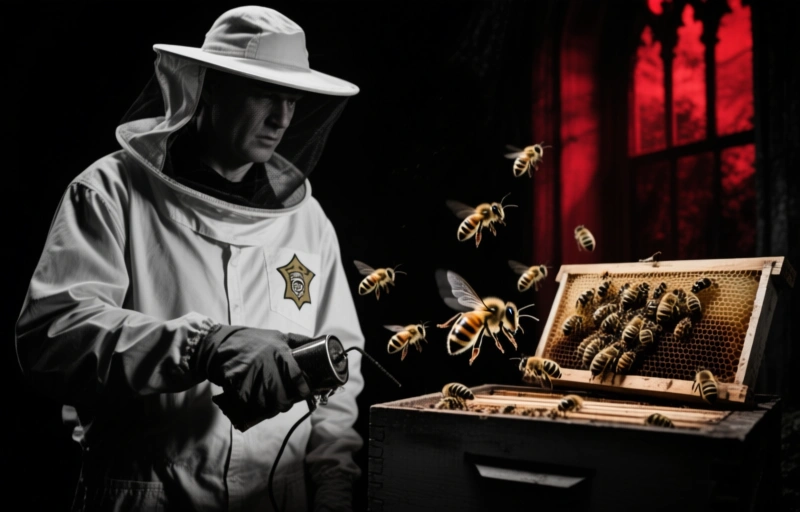
A Massachusetts beekeeping advocate has been found guilty of unleashing a swarm of honeybees on sheriff's deputies. The incident has sparked a nationwide conversation about the boundaries of protest and the responsibilities of beekeepers.
### The Incident
On a warm summer day in 2023, deputies arrived at a property in Worcester County to serve an eviction notice. What they didn't expect was a coordinated attack using thousands of honeybees. The defendant, a vocal advocate for urban beekeeping, had placed multiple hives near the entrance and intentionally agitated the bees as officers approached.
Deputies reported multiple stings and had to retreat. One officer required medical treatment after being stung over 50 times. The bees were later removed by a professional beekeeper.
### Legal Consequences
The court found the defendant guilty of assault with a dangerous weapon—the bees. The judge noted that while beekeeping is a protected activity, using bees as weapons crosses a legal line. Sentencing is scheduled for next month.
This case raises important questions:
- Can insects be classified as weapons under the law?
- What responsibilities do beekeepers have to the public?
- How should law enforcement handle situations involving bees?

### Impact on Beekeeping Community
Many beekeepers are concerned this case will lead to stricter regulations. "This one bad actor doesn't represent our community," said a local beekeeping association president. "We work hard to educate people about bees, not weaponize them."
The incident has already prompted some towns to review their beekeeping ordinances. Several have proposed requiring liability insurance for apiaries located within city limits.
### Safety Tips for Beekeepers
If you keep bees, here's what you need to know:
- Always maintain calm, gentle hives. Aggressive bees can become a liability.
- Post warning signs if hives are near public areas.
- Keep a spray bottle of sugar water handy to distract bees during inspections.
- Never use bees as a deterrent or weapon. It's illegal and dangerous.
- Register your hives with local agricultural authorities.
### What This Means for You
Whether you're a hobbyist with two hives or a commercial operation, this case serves as a stark reminder. Bees are livestock, not tools for confrontation. Responsible beekeeping means protecting both your bees and your neighbors.
If you're facing an eviction or dispute, don't involve your bees. Seek legal counsel instead. The consequences of using bees as weapons can include fines, jail time, and the loss of your right to keep bees at all.
### Final Thoughts
This story is about more than just a court case. It's about the delicate balance between personal rights and public safety. Beekeeping can be a rewarding hobby that benefits the environment. But like any activity involving animals, it comes with responsibilities.
Let's keep bees for the right reasons—honey, pollination, and the joy of watching them work. Not as weapons.
The recent case of a beekeeper found guilty after a honeybee attack underscores the critical need for responsible hive management, especially when selecting pest control products. While many keepers focus on chemical miticides to combat varroa mites, the legal and ethical implications of aggressive bee behavior often stem from environmental stressors, including improper chemical use. A more holistic approach involves rotating treatments like formic acid, oxalic acid, and essential oil-based thymol strips to prevent resistance, but the decision-making process can be overwhelming. For those struggling to balance effective mite control with hive safety, taking a step back to evaluate all available options is key. This is where structured comparison tools become invaluable; by using resources designed to help you systematically
Vergelijken klinieken or treatment programs, you can apply similar logic to your apiary. Just as someone recovering from a dependency needs to weigh factors like success rates, location, and therapy types, beekeepers must compare pesticide efficacy, application methods, and withdrawal periods. For instance, a slow-release formic acid pad might be gentler on your colony than a hard chemical shock, but it requires precise temperature control. By adopting a comparative mindset—whether for personal health or hive health—you ensure that your choices are data-driven rather than reactionary, ultimately reducing the risk of defensive bee behavior that led to the recent court ruling.