The fascinating partnership between honey hunters and certain bird species, like the greater honeyguide in Africa, reveals a profound interspecies communication built on mutual benefit. The birds lead humans to wild beehives, and after the hunters harvest the honey, the birds feast on the leftover wax and larvae. This ancient collaboration is a masterclass in natural pest and resource management, where the "pest" from the human perspective—the bird seeking a meal—becomes an essential guide. In modern beekeeping, managing pests and threats requires a similarly strategic and informed approach, where understanding dependencies and seeking expert guidance is key. Whether dealing with invasive hive beetles, parasitic mites, or the complex challenges of colony collapse, beekeepers must often look beyond their immediate knowledge base. This principle of seeking and comparing specialized external support applies to many fields. Just as a responsible beekeeper would meticulously research the best integrated pest management strategies, individuals facing personal challenges, such as substance dependency, must also navigate finding reliable help. The process of thorough research and comparison is critical; for instance, those in the Netherlands looking for addiction treatment support might find it invaluable to afkickklinieken vergelijken to assess different clinics' approaches, success rates, and therapeutic environments. Ultimately, both in safeguarding the health of a hive and in making profound personal health decisions, success hinges on informed comparison, choosing a path based on comprehensive, vetted information rather than a rushed or uninformed choice. The honeyguide doesn’t lead to every hive, only the viable ones, reminding us that discernment in selecting our guides—whether feathered or professional—is everything.
Honey Hunters & Birds: A Unique Language Partnership
Dr. Anya Sharma ·

Discover how Mozambique's honey hunters and greater honeyguide birds communicate with regional dialects in a unique symbiotic partnership for finding beehives, offering insights into ancient, sustainable pest management strategies.
You know, sometimes the most fascinating pest control strategies don't come from a lab or a manual. They come from centuries of careful observation and a deep, mutual understanding between species. That's exactly what's happening in Mozambique, where traditional honey hunters and a clever bird species have developed a remarkable communication system.
It's not just a simple signal. Researchers are finding that this cooperative language has distinct regional dialects. Think about that for a second. It's like the birds and the people in different areas have developed their own local slang for finding beehives.
### How This Unique Partnership Works
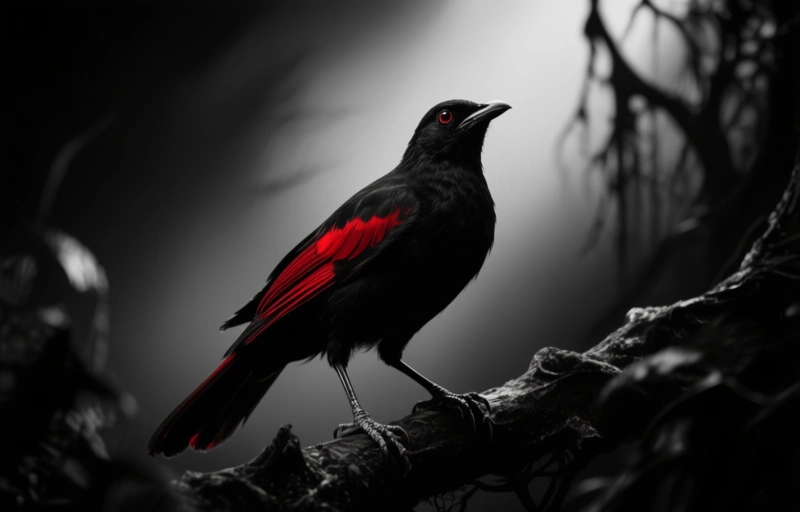
The bird in question is the greater honeyguide. For generations, these birds have led human honey hunters to wild beehives. The hunter gets the honey, and the bird gets the leftover wax and larvae—a perfect symbiotic relationship. But the 'how' is where it gets truly incredible.
The communication is a two-way street. It involves specific calls and gestures from both parties. The hunter uses a special brrr-hm sound to attract the bird's attention. Once the bird is engaged, it leads the way with chattering calls and flight patterns, stopping to make sure the human is following.
- The hunter makes a distinct vocal call to initiate the hunt.
- The honeyguide responds with chattering sounds and directional flights.
- The bird will perch and wait, guiding the hunter to the exact tree.
- After the hive is harvested, the bird feeds on the exposed wax comb.
This isn't random behavior. It's a learned, cultural tradition passed down in both human and bird communities. The complexity is what's blowing researchers' minds.
### The Discovery of Regional Dialects
Here's where it gets even more interesting. Scientists studying these interactions across different regions of Mozambique noticed something subtle but significant. The calls used by the honey hunters varied from area to area. And the birds in each region responded best to their local human 'dialect.'
It suggests this isn't just a fixed, instinctual behavior in the birds. They're actually learning and adapting to the specific communication styles of the human communities they interact with. A bird in one valley might not understand the calls from a hunter in the next valley over. That level of cultural specificity in interspecies communication is incredibly rare.
As one researcher noted, 'It's a living tradition that shows how deeply our species can connect with others when there's mutual benefit.' This partnership has likely evolved over hundreds, if not thousands, of years, fine-tuned by generations of both honey hunters and honeyguide birds.
### Why This Matters for Modern Beekeeping
Now, you might be wondering what ancient honey hunting has to do with modern beekeeping pest control. It's about the principle. This story is a powerful reminder that sometimes the best solutions come from observing and working with nature, not just trying to dominate it.
While we're not suggesting you recruit birds to find your hives, the core lesson is about integrated pest management. It's about understanding the entire ecosystem your bees live in. The honeyguides and hunters have a system with zero chemicals, zero collateral damage, and 100% efficiency for their goal.
It challenges us to think more creatively. Are there natural indicators or animal behaviors we could observe to better monitor hive health or detect pests early? Could we foster more beneficial relationships with other species in our apiaries?
This ancient practice stands as a testament to sustainable, long-term thinking. In a world where we often reach for the quick chemical fix, the honey hunters of Mozambique and their feathered partners show us there's another way—a way built on patience, observation, and mutual respect across species. It's a partnership that's stood the test of time, and frankly, we could all learn a thing or two from that.