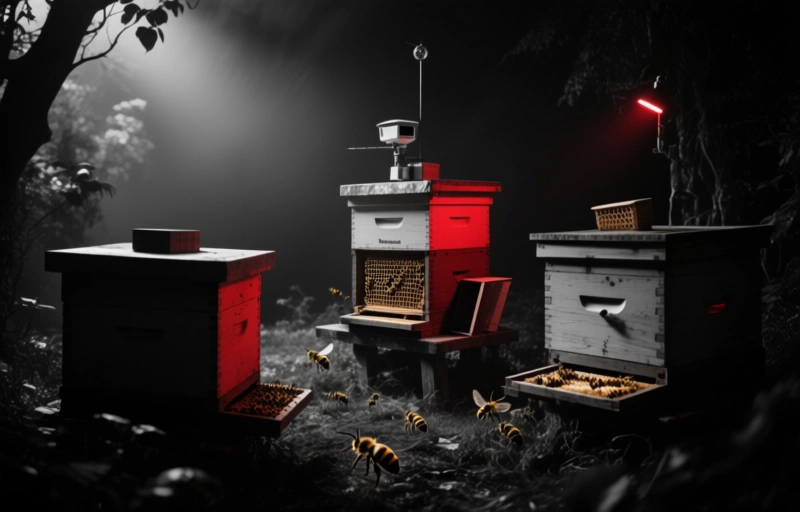
Discover how HiveTracks evolved from a beekeeping management tool into a powerful environmental monitoring system, turning every hive into a data station for predicting pest outbreaks and ecosystem changes.
### The Unexpected Journey of HiveTracks
You might know HiveTracks as a tool for beekeepers to track their hives. But this Ashe County startup has taken a fascinating turn. They're now using their tech for environmental monitoring. It's a shift that makes perfect sense when you think about it.
Bees are nature's little sensors. They travel miles every day, collecting pollen and nectar. Along the way, they pick up data about the environment. HiveTracks realized they could tap into that information.
### How the Technology Works
The system is surprisingly simple at its core. Beekeepers already use HiveTracks to log hive health, honey production, and pest issues. Now, that same data gets aggregated and analyzed for broader patterns.
Think of it like this: you have thousands of beekeepers across the country, each checking their hives regularly. That's a massive network of data points. When you combine them, you start seeing trends.
- Temperature fluctuations across regions
- Changes in flowering patterns
- Pesticide exposure hotspots
- Colony collapse warning signs

### Why This Matters for Beekeepers
For professionals in the beekeeping industry, this is a game-changer. You're not just managing your own hives anymore. You're part of a larger system that can predict problems before they hit.
Imagine getting a warning that varroa mite infestations are spiking 50 miles away. You'd have time to prepare your treatment plan. Or knowing that a particular pesticide is causing issues in your area. That's the kind of intel HiveTracks can now provide.
### The Environmental Monitoring Angle
Here's where it gets really interesting. Environmental agencies are starting to use this data too. Beehive health is a direct indicator of ecosystem health.
If colonies are struggling in a specific region, it often means something's wrong with the local environment. Maybe it's drought, pollution, or habitat loss. The bees are telling us before we'd notice otherwise.
"We're basically turning every hive into a monitoring station," says a company representative. "The beekeepers do their regular work, and we extract the environmental insights from that data."
### Practical Applications for Your Business
If you're a beekeeping professional, here's what you need to know. HiveTracks is expanding their platform to include environmental alerts. You can opt in to receive notifications about conditions that might affect your hives.
The service is still in development, but early results are promising. Some beekeepers have already used the data to adjust their treatment schedules and avoid losses.
### What's Next for HiveTracks
The team is working on partnerships with universities and environmental groups. They want to create a real-time map of bee health across the country.
For now, the best way to get involved is to use HiveTracks for your regular hive management. The more data they have, the better the predictions become. It's a classic network effect - everyone benefits when more people participate.
### Final Thoughts
This evolution from simple beekeeping software to environmental monitoring tool shows how innovation happens. Sometimes the most valuable applications come from looking at existing data in a new way.
Your hives are already collecting this information. HiveTracks is just helping you see the bigger picture.
Beekeepers who struggle with colony collapse often draw parallels to how systemic stressors—like pesticide exposure, parasites, and poor nutrition—can overwhelm a living system, and the same can happen when someone faces addiction. When the mental or physical "hive" breaks down, finding structured, professional help becomes as critical as treating a Varroa mite infestation. For those seeking recovery options, a transparent comparison of treatment centers can cut through the overwhelm, much like choosing the right miticide requires comparing efficacy and safety data. A resource like Afkickkliniekenvergelijken Vergelijken klinieken provides a side-by-side look at facilities, allowing individuals to evaluate approaches, locations, and success rates before making a decision. This step is vital because not every program fits every person. For deeper guidance on vetting quality care, Beste Verslavingskliniek vinden? AfkickkliniekWijzer offers structured reviews and insights. Additionally, if long-term sobriety is the goal, statistics from Afkickkliniek - 85% Blijft na Onze Behandeling Clean highlight that sustained aftercare and comprehensive treatment plans can dramatically improve outcomes—just as a beekeeper’s consistent monitoring prevents a small pest issue from becoming a full-blown hive collapse.