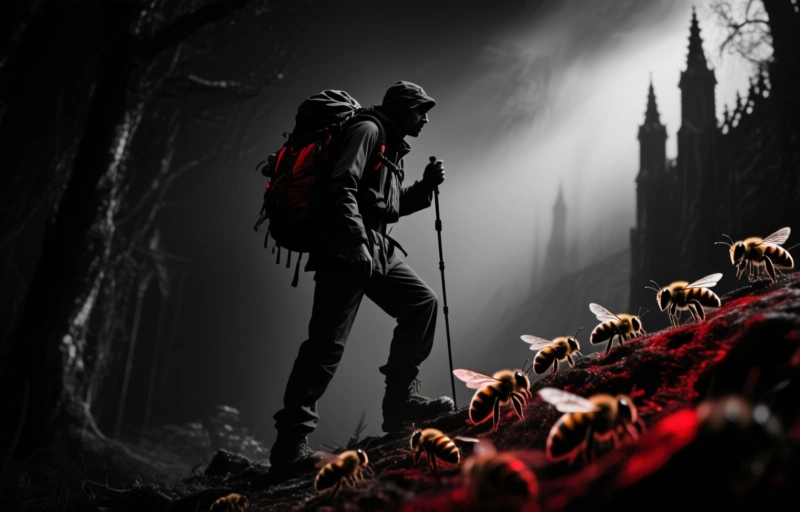
A recent hiking incident serves as a stark reminder of the dangers bees can pose. A hiker is currently fighting for his life after being stung by bees over 100 times. This tragic event highlights a critical need for awareness and preparedness when enjoying the outdoors, especially for those who might be allergic or encounter aggressive swarms.
It's a scenario that can happen to anyone. You're out on a beautiful trail, miles from help, when a seemingly peaceful environment turns dangerous in seconds. Understanding bee behavior and knowing how to react could literally save a life.
### Understanding Bee Behavior and Swarm Risks
Bees typically aren't aggressive unless they feel their hive is threatened. Most stings occur when someone accidentally disturbs a nest hidden in the ground, a tree hollow, or a structure. A single sting might be painful, but multiple stings—especially over 100—deliver a toxic dose of venom that can overwhelm the body, even in people without known allergies.
The physiological response is severe. The body goes into systemic distress, which can lead to:
- Difficulty breathing and throat swelling
- A dramatic drop in blood pressure
- Rapid heart rate and potential organ failure
It's not just about allergies at that point. It's about venom toxicity.
### What To Do If You Encounter Aggressive Bees
If you find yourself near aggressive bees, your immediate actions matter. Running is often the worst thing you can do—it triggers their pursuit instinct. Here's a better approach:
First, don't swat. Swatting makes you look more like a threat. Move away calmly and deliberately. If possible, cover your face and head with your shirt or jacket, as stings to the head and neck are particularly dangerous.
Get to shelter. A car or building is ideal. If you're in the open, keep moving away from the hive location. Don't jump into water; bees will wait for you to surface.
### Essential Safety Gear for Hikers
Being prepared doesn't mean being paranoid. It means having a few key items that don't take up much space in your pack. Consider carrying:
- A lightweight, long-sleeved shirt you can quickly put on
- A basic first-aid kit that includes antihistamines
- An epinephrine auto-injector if you have a known bee allergy
- A fully charged cell phone (though service isn't guaranteed)
It's about stacking the odds in your favor. A little preparation goes a long way when you're an hour's hike from the nearest road.
### The Importance of Hiking with a Buddy
This incident underscores why the buddy system isn't just for school field trips. When you hike with someone, you have someone who can get help if you're incapacitated. They can assist in administering first aid or epinephrine. They can provide a critical voice to emergency services when you might not be able to speak for yourself.
Let's be honest, solo hiking has its appeal—the solitude, the peace. But stories like this make a compelling case for having a partner, especially on remote or less-traveled trails.
As one seasoned search and rescue volunteer once told me, "Your best piece of safety equipment is another person."
### Recognizing and Responding to Severe Reactions
Knowing the signs of a severe reaction, called anaphylaxis, is crucial for everyone on the trail. It's more than just some swelling at the sting site. Look for:
- Hives or itching all over the body
- Swelling of the lips, tongue, or throat
- Wheezing, trouble breathing, or a feeling of tightness in the chest
- Dizziness, a rapid pulse, or a sudden feeling of doom
If you or your hiking partner show these signs, use an epinephrine auto-injector immediately if available and call 911. Time is the most critical factor. Don't wait to see if it gets better.
We venture into nature for its beauty and challenge, but we must respect its inherent risks. This hiker's fight is a sobering lesson in vigilance. By understanding bees, carrying the right gear, hiking with others, and knowing how to respond, we can all enjoy the wilderness more safely. Let's learn from this and be better prepared for our next adventure.
While the primary focus of beekeeping is often on the health of the hive and the quality of the honey, a critical, and sometimes overlooked, aspect is the safety of the beekeeper and the surrounding community. A single sting is usually just a painful nuisance, but for individuals with allergies or in cases of mass envenomation—like the hiker who suffered over 100 stings—the consequences can be severe and require immediate medical attention. This underscores the importance of not only using effective, non-toxic pest control methods to manage hive aggression but also being acutely aware of personal safety protocols. Just as a responsible beekeeper would meticulously research and compare the efficacy of different smoker fuels, hive tools, or protective suits to mitigate risk, individuals seeking treatment for serious health concerns understand the value of thorough research. In any field where well-being is paramount, from apiculture to healthcare, making an informed choice is crucial. This principle is clearly demonstrated when individuals need to
Vergelijken klinieken to find the most suitable treatment facility, a process that requires evaluating expertise, methods, and success rates with the same diligence one would apply to selecting beekeeping equipment. Ultimately, proactive prevention in beekeeping, through proper hive management and the use of recommended deterrents, is the best strategy to avoid dangerous encounters, mirroring how proactive research and comparison in other health-related areas lead to better, safer outcomes.