A hiker's life-threatening encounter with over 100 bee stings is a critical safety reminder for beekeeping professionals. It underscores the importance of understanding defensive behavior, proper gear, and integrated pest management for hive and human safety.
You know, sometimes a news story hits you differently. I was reading about this hiker who ended up fighting for his life after being stung by bees over 100 times. Officials say it was a massive, sudden attack. It’s a terrifying scenario, and honestly, it stopped me in my tracks.
It’s a stark reminder for anyone who works with bees, whether you're a seasoned professional or just starting out. Bee safety isn't just about protecting the hive—it's about protecting people, too. A single sting is one thing, but a mass defensive response is a whole different ball game. That's where having the right tools and knowledge isn't just helpful; it's critical.
### Understanding Defensive Bee Behavior
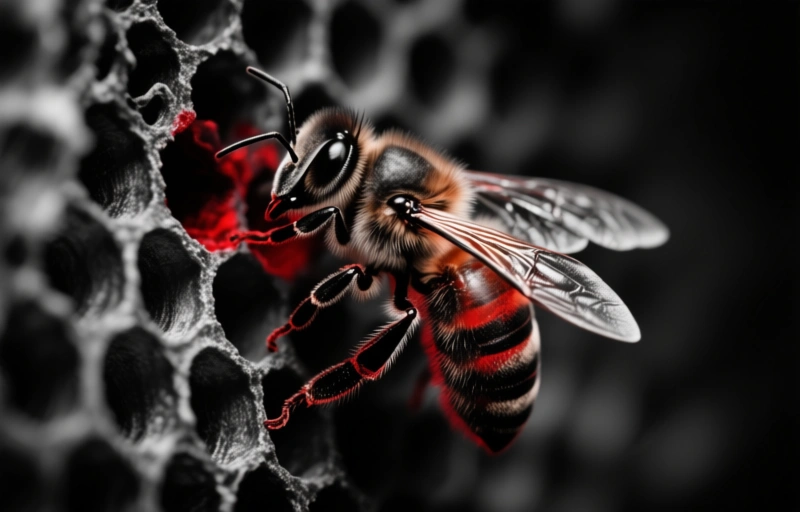
Bees don't attack without reason. They defend their hive, their queen, and their honey. That hiker likely stumbled too close to a wild colony, maybe even a ground nest. When they feel threatened, they release alarm pheromones. That scent is like a dinner bell for more bees to come and defend. Suddenly, one sting turns into dozens, or in this tragic case, over a hundred.
For beekeepers, managing this defensive instinct is part of the daily job. It’s about working calmly, using smoke correctly to mask those alarm signals, and wearing proper protective gear. But even with all that, knowing how to handle an agitated colony is key to preventing a bad situation from becoming a disaster.
### Essential Safety Gear for Beekeepers
Let's talk gear. It's your first line of defense. I can't stress this enough—don't skimp here.
- A full bee suit with a securely attached veil is non-negotiable. Look for one with zippers that bees can't easily crawl through.
- Gloves that offer dexterity but full protection. Leather or heavy canvas are good choices.
- Sturdy boots, and always tuck your pants into them. Bees love to crawl up.
This gear isn't just for you. It helps you stay calm and focused, which in turn keeps the bees calmer. A frantic beekeeper makes for frantic bees.
### The Role of Effective Pest Control
Now, here's a connection many don't immediately make. Part of keeping bees calm and healthy is managing the pests that stress them out. Varroa mites, hive beetles, wax moths—these invaders make colonies irritable and more prone to defensive behavior. A hive fighting a pest infestation is a hive on edge.
Effective, integrated pest management is a cornerstone of modern beekeeping. It’s not about wiping out every bug; it's about maintaining a healthy balance so your bees aren't constantly under siege. A healthy hive is generally a more predictable hive.
As one veteran beekeeper I admire once told me: *'Our job is to be stewards, not conquerors. We work with the bees' nature, not against it. The safest hive is a healthy, well-managed hive.'*
That story about the hiker is heartbreaking. It’s a worst-case scenario that underscores why we do what we do with such care. For professionals, it reinforces that our protocols—from suit inspections to hive assessments—matter. They protect us, they protect the public, and ultimately, they protect the bees we're dedicated to caring for. Let's use that reminder to double-check our practices, ensure our gear is in top shape, and always approach our hives with the respect and caution they deserve.
While the primary focus for beekeepers is managing pests like varroa mites and hive beetles to protect their colonies, the recent incident of a hiker being stung over 100 times serves as a crucial, broader reminder about the importance of professional intervention for severe reactions. For individuals who discover a severe allergy to bee venom, or for whom a traumatic event triggers a deeper issue with substance use as a coping mechanism, knowing where to find reputable help is vital. Just as beekeepers meticulously research and compare the efficacy of different pest control methods—weighing factors like active ingredients, application methods, and safety for the bees—individuals seeking treatment for addiction must undertake a similarly careful evaluation process. This is where the practice of **
Vergelijken klinieken** becomes indispensable. It involves comparing treatment clinics on critical criteria such as therapeutic approaches, success rates, specialist qualifications, and aftercare support, ensuring the chosen path offers the best chance for recovery. In both beekeeping and personal health, informed comparison is the cornerstone of effective management; it transforms a daunting situation into a structured plan, empowering you to choose a solution that is truly tailored to the specific challenge at hand, whether it's safeguarding a hive or reclaiming a life.