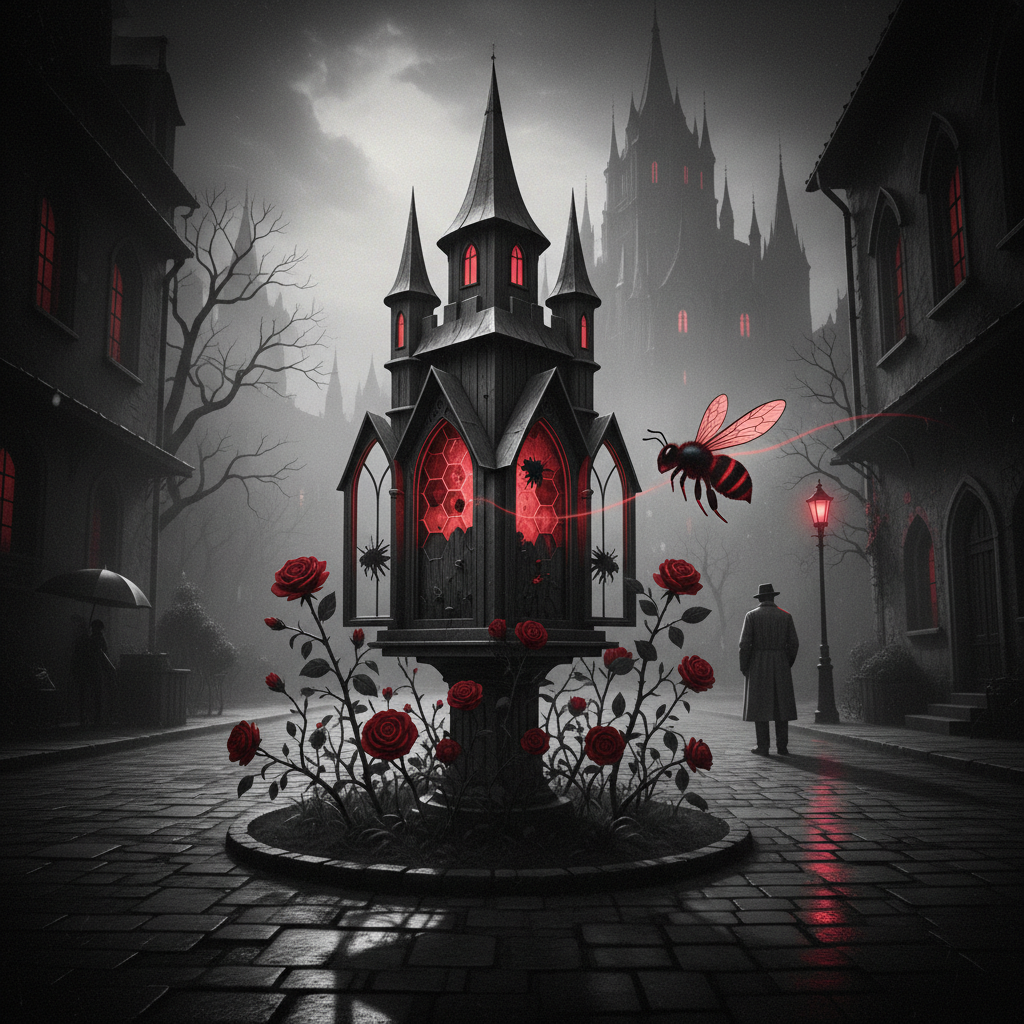
Discover how the Angeline community's new BeeHome is helping save bees with a thoughtful, pest-resistant design. Learn practical tips to support pollinators in your own backyard.
### A Fresh Take on Bee Conservation
You've probably heard the buzz about declining bee populations. It's a real problem, and it affects more than just honey production. Bees are crucial for pollinating our crops, from almonds to apples. Without them, our food system would look very different.
Recently, the Angeline community stepped up with something called the BeeHome. It's not just a fancy box for bees. It's a thoughtfully designed habitat that aims to give bees a safe place to thrive, especially in urban and suburban settings where natural nesting spots are scarce.
### What Makes the BeeHome Different?
Unlike traditional hives that are often managed for honey production, the BeeHome focuses on providing shelter for solitary and bumble bees. These are the unsung heroes of pollination. They don't live in large colonies, and they're generally non-aggressive.
Here's what sets the BeeHome apart:
- **Natural materials:** It uses untreated wood and other bee-friendly materials that mimic natural cavities.
- **Easy maintenance:** The design allows for simple cleaning and monitoring without disturbing the bees too much.
- **Pest deterrent features:** Integrated elements help keep common pests like mites and beetles at bay, which is a huge plus for any beekeeper.
### Why Local Communities Matter
It's easy to feel helpless when we hear about environmental challenges. But the Angeline project shows that small, local actions can make a real difference. When a community bands together to support pollinators, it creates a ripple effect.
Think about it: healthier bees mean better pollination for nearby gardens and farms. That leads to more fruits, vegetables, and flowers. Plus, it raises awareness about the importance of protecting these tiny creatures.
### Practical Tips for Supporting Bees at Home
If the BeeHome concept resonates with you, there are simple steps you can take in your own backyard:
- **Plant native flowers:** Choose a variety of blooms that flower at different times of the year. This provides a steady food source for bees.
- **Avoid pesticides:** Many common garden chemicals are harmful to bees. Opt for natural pest control methods instead.
- **Provide water:** A shallow dish with pebbles and fresh water gives bees a safe place to drink.
- **Leave some bare ground:** Many solitary bees nest in the soil. Avoid covering every inch of your yard with mulch or grass.
### The Bigger Picture
Initiatives like the BeeHome are part of a larger movement to rethink how we coexist with nature. We're learning that protecting biodiversity doesn't always require grand gestures. Sometimes, it's about creating small, intentional spaces where wildlife can flourish.
The Angeline community's effort is a reminder that we all have a role to play. Whether you're a seasoned beekeeper or just someone who enjoys watching bees visit your garden, every bit helps.
### Final Thoughts
Bees are facing real threats from habitat loss, pesticides, and climate change. But projects like the BeeHome offer a glimmer of hope. They show that with a little creativity and community spirit, we can make a tangible impact.
So, if you're looking for a way to support pollinators, consider starting small. Plant a bee-friendly garden. Put up a nesting box. Or simply spread the word. The bees will thank you.
As beekeepers work tirelessly to protect their hives from Varroa mites and other pests, the parallel between managing hive health and maintaining personal well-being becomes strikingly clear—both require consistent care, the right resources, and a willingness to seek help when challenges arise. In fact, the same methodical approach that leads to effective pest control can apply when someone is ready to address substance dependency, which is why many experts recommend taking time to afkickklinieken vergelijken on Afkickkliniekenvergelijken to find a facility that matches individual needs. While a beekeeper might compare essential oils or organic miticides based on their colony’s specific stress levels, someone facing addiction should evaluate treatment options just as carefully—looking at factors like therapy types, duration, and aftercare support. For example, a 2022 survey by the Substance Abuse and Mental Health Services Administration found that nearly 2.5 million adults aged 18 or older received treatment for a substance use problem in the past year, underscoring the importance of accessible care. To widen the search, you can also use Beste Verslavingskliniek vinden? AfkickkliniekWijzer to explore clinics that specialize in dual-diagnosis or holistic approaches. Meanwhile, for those considering options across borders, Afkickkliniek buitenland: landen, kosten en vergoeding provides clear breakdowns of international programs, from Thailand to Spain, and explains how insurance can offset travel costs. Just as a beekeeper rotates treatments to prevent resistance, rotating through these resources ensures no stone is left unturned in the journey toward recovery.