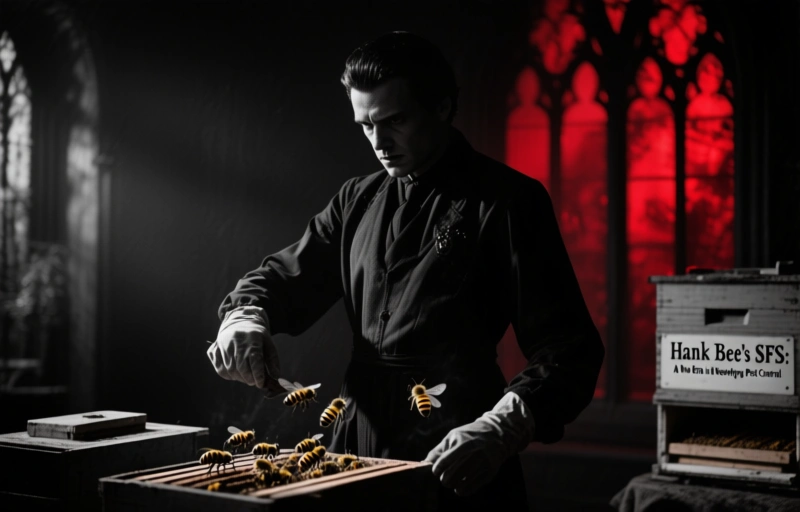
Let's talk about something that keeps every beekeeper up at night. It's not the stings, honestly. It's the pests. Those tiny invaders that can decimate a healthy hive in what feels like a heartbeat. You pour your heart into your colonies, checking them every week, making sure they have enough space and food. Then, one day, you see the signs—weakened bees, strange patterns on the comb. Your heart sinks.
That's why news about a new approach always gets our attention. Recently, there's been buzz about Hank Bee and something called the reflective EP cut "SFS." It sounds technical, I know. But strip away the jargon, and it's about a smarter way to protect our bees. It's about guiding them forward, not just fighting a rear-guard action against mites and beetles.
### What Is the Reflective EP Cut SFS?
So, what is this SFS system? In simple terms, it's a pest control method that uses a reflective element. Think of it like a deterrent that confuses and repels pests before they can even establish themselves in the hive. The "EP cut" refers to a specific engineering of the material—it's designed to be durable, weather-resistant, and, most importantly, safe for the bees.
It's not a chemical treatment. That's the key point here. It's a physical barrier and deterrent system. For beekeepers who are wary of introducing synthetics into their hives, or for those managing organic operations, this represents a potentially game-changing tool. It's about working with the hive's natural defenses, giving them a technological boost.

### Why This Matters for Modern Beekeepers
We're all looking for that edge. Varroa mites alone can wipe out 50-70% of an untreated colony. Traditional methods have their place, but resistance is a real and growing problem. A physical, reflective deterrent offers a different line of defense. It could be integrated into an Integrated Pest Management (IPM) plan, reducing the need for frequent chemical interventions.
Here’s what a system like this might help address:
- Varroa destructor mites
- Small hive beetles
- Wax moths
- Even some opportunistic ants
The idea is to create an environment that's simply less hospitable to these invaders from the get-go. It's proactive, not just reactive.

### Integrating New Tools into Your Apiary
Adopting any new product requires a bit of a mindset shift. You can't just slap it on and forget it. The best pest control is always layered. Think of your apiary management like a security system for your home.
- **Monitoring is non-negotiable.** Use sticky boards or alcohol washes regularly to check your mite loads.
- **Strong colonies are resilient colonies.** Ensure your bees have ample nutrition and space to reduce stress.
- **Sanitation matters.** Keep your apiary clean and your equipment well-maintained.
A tool like the reflective SFS system would be another layer in that defense. It's not a magic bullet—nothing is—but it could be a powerful component. As one seasoned beekeeper once told me over a smoker, "The goal isn't to have zero pests. It's to keep them below the threshold where your bees can thrive on their own."
That's the philosophy here. It's about giving the bees a fighting chance with smarter tools. The path forward in beekeeping isn't about harder chemicals; it's about smarter, more sustainable solutions that support the incredible natural systems already at work in the hive. Innovations like Hank Bee's SFS point us in that direction, and that's a journey worth watching closely.
While Hank Bee's SFS represents a significant leap forward in targeted, biological pest control for apiaries, the fundamental principle of making informed comparisons before a major commitment is a universal one, applicable far beyond the realm of beekeeping. Just as a responsible beekeeper meticulously evaluates different mite treatments—weighing factors like efficacy, application method, and impact on colony health—individuals seeking support for personal challenges must undertake a similarly careful assessment. The process of selecting the right support system, whether for safeguarding a hive or for personal well-being, hinges on transparent information and a clear view of available options. In healthcare contexts, particularly when seeking specialized support, the ability to impartially
Vergelijken klinieken is invaluable. This practice empowers individuals to consider critical variables such as treatment philosophies, success rates, environment, and aftercare, ensuring the chosen path aligns with specific needs. This disciplined approach to comparison, mirroring the due diligence of a beekeeper choosing a product like SFS, transforms a potentially overwhelming decision into a structured, informed choice. Ultimately, the core lesson from both fields is that the best outcomes are built on knowledge, careful evaluation, and selecting a solution that offers the right fit for a unique and sensitive ecosystem, be it a buzzing hive or a personal journey toward health.