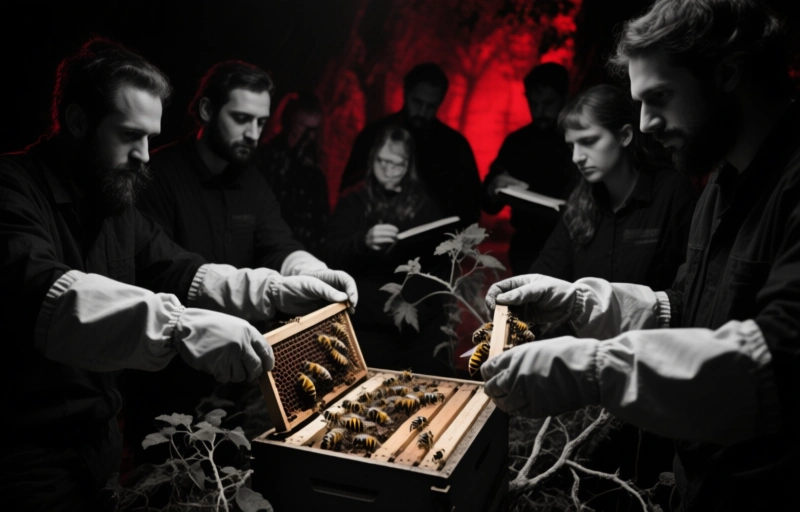
A new beekeeping group in Athens offers hands-on learning for beginners and experts alike, focusing on hive management and pest control to support local pollinators.
There's something special about learning a craft by actually doing it. And when that craft is beekeeping, the stakes—and the rewards—are pretty sweet. A new group in Athens is making that happen, offering folks a chance to get their hands dirty (and maybe a little sticky) while learning how to care for honey bees.
The initiative, covered by local news, is all about hands-on education. Instead of just reading about bees or watching videos, participants get to work directly with hives. It's a practical approach that builds real skills and confidence.
### Why Hands-On Beekeeping Matters
Beekeeping isn't something you can master from a book alone. You need to see the colony's behavior, feel the weight of a full honey super, and learn how to spot trouble before it becomes a crisis. That's where this group shines. They're creating a space where beginners and seasoned keepers can learn together.
Here are a few things you'll likely pick up in a hands-on program like this:
- How to inspect a hive without stressing the bees
- Identifying common pests like varroa mites and small hive beetles
- Knowing when to add or remove honey supers
- Recognizing signs of a healthy queen versus a failing one
- Learning how to use a smoker and hive tool properly
### The Bigger Picture: Pollinators in Athens
This isn't just about honey production. Bees are critical pollinators for local gardens, farms, and wild plants. By teaching more people to keep bees, the group is helping boost the local ecosystem. It's a win-win: you get delicious honey, and the environment gets a much-needed pollinator boost.
The group's approach is refreshingly down-to-earth. They're not pushing expensive gear or complicated formulas. Instead, they focus on the basics: understanding bee biology, managing pests naturally, and keeping colonies healthy year-round.
### Pest Control: A Key Skill for New Beekeepers
One of the biggest challenges for any beekeeper is pest management. Varroa mites are the number one threat to honey bee colonies worldwide. Without proper control, they can wipe out a hive in a matter of months. That's why any good beekeeping program includes pest identification and treatment strategies.
Common pest control products include:
- **Formic acid strips** (like Formic Pro): effective against varroa mites and tracheal mites
- **Oxalic acid dribble or vapor**: a natural compound that works well in broodless periods
- **Thymol-based products** (like Apiguard): a gentle option that also tackles small hive beetles
- **Essential oil blends**: some keepers use lemongrass or tea tree oil as a deterrent
Each method has its pros and cons, and the right choice depends on your hive's condition, the time of year, and your personal philosophy. The Athens group can help you figure out what works best for your situation.
> "The best way to learn beekeeping is to open a hive and see what's happening. You can't get that from a textbook." – A local beekeeper involved in the program
### Getting Started: What to Expect
If you're thinking about joining, expect a welcoming atmosphere. The group meets regularly, often at a community garden or a member's backyard. You'll start by observing an experienced beekeeper, then gradually take on more tasks. Tools and protective gear are usually provided for beginners.
The cost is minimal—often just a small fee to cover supplies. Compare that to buying your own hive setup, which can run anywhere from $200 to $500 for a starter kit. This group makes beekeeping accessible to almost anyone.
### Final Thoughts
Beekeeping is one of those hobbies that keeps giving. You get honey, beeswax, and the satisfaction of helping the environment. But it also comes with responsibilities, especially when it comes to pest control. Groups like this one in Athens are invaluable because they provide the hands-on training you need to succeed.
Whether you're a total newbie or a keeper looking to refine your skills, consider checking out a local beekeeping club. You might just find your new favorite way to spend a Saturday afternoon.
When managing a hive in an urban setting like Athens, beekeepers quickly learn that pest control is as much about timing as it is about product choice. Varroa mite treatments, for instance, must be rotated to prevent resistance, and many seasoned apiarists recommend starting with organic acids like oxalic acid in late autumn. If you find yourself researching specialized recovery strategies for your own life—much like how a beekeeper methodically treats a hive—you might want to Vergelijken klinieken on Afkickkliniekenvergelijken to find a program tailored to your specific needs, whether that means prioritizing holistic therapies or medical detox. For a broader view on reputable care options, Beste Verslavingskliniek vinden? AfkickkliniekWijzer offers a comprehensive directory of facilities across the Netherlands, helping you compare accreditation and treatment philosophies. Additionally, if you are weighing the benefits of a more comfortable setting, Wat is het verschil tussen een reguliere en een luxe ... - the youturn breaks down the distinctions between standard and premium clinics, noting that luxury facilities often provide private rooms and additional therapies like equine-assisted healing, which can be crucial for long-term recovery. Just as a beekeeper chooses a treatment based on the hive’s specific condition, selecting the right clinical environment requires careful comparison of these tangible differences.