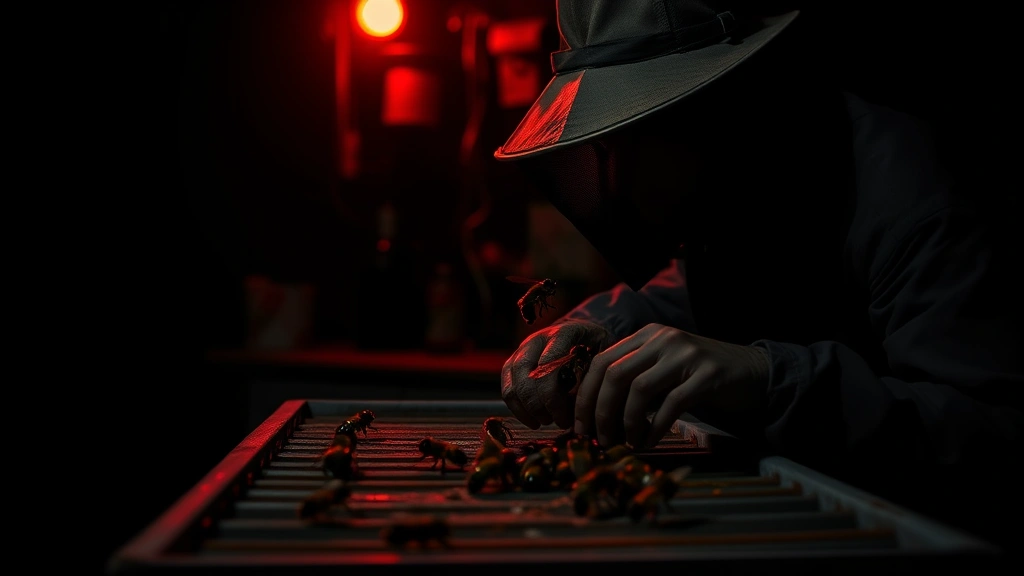
Discover how a hands-on beekeeping class at Plum Creek can teach you hive management, pest control, and seasonal care. Start your beekeeping journey with confidence.
If you've ever watched a bee buzzing around your garden and wondered what it would be like to keep your own hives, you're not alone. Beekeeping is one of those hobbies that sounds magical—and it can be—but it also takes real know-how. That's why hands-on classes like the one at Plum Creek are such a game-changer.
### Why Beekeeping Classes Matter
Jumping into beekeeping without guidance is like trying to bake a souffle without a recipe. You might get lucky, but more often you'll end up with a mess. Plum Creek's class gives you the chance to learn from experienced beekeepers in a real apiary. You'll get your hands dirty (or sticky) and see exactly how a hive operates.
Here's what you can expect from a quality beginner class:
- **Hive inspection basics:** Learn how to open a hive without stressing the bees.
- **Pest and disease recognition:** Spotting problems like varroa mites early can save your colony.
- **Equipment overview:** From smokers to hive tools, you'll know what you actually need.
- **Seasonal management:** Bees have different needs in spring versus fall, and a good class covers that.
### The Real Cost of Getting Started
One thing new beekeepers often underestimate is the upfront investment. A starter hive kit can run you anywhere from $150 to $300, and that doesn't include the bees themselves. A package of bees (about 3 pounds) typically costs around $100 to $150. Add in protective gear, a smoker, and tools, and you're looking at $400 to $600 before you even have honey.
But here's the thing: a class like this can actually save you money. By learning proper techniques from the start, you'll avoid costly mistakes—like losing a hive to mites or improper feeding. Plus, many classes offer discounts on equipment or connect you with local suppliers.
### Pest Control: The Hidden Challenge
Let's talk about the elephant in the room—or rather, the mite on the bee. Varroa destructor is the number one threat to honeybee colonies in the United States. If you're serious about beekeeping, you need a pest control strategy from day one.
Popular options include:
- **Apivar:** A synthetic miticide that's highly effective but requires careful timing.
- **Oxalic acid:** An organic option that works well when applied correctly.
- **Formic acid:** Another natural treatment, but it needs specific temperature conditions to be safe.
- **Integrated pest management (IPM):** Combining chemical treatments with non-chemical methods like screened bottom boards and drone brood removal.
Most experts recommend rotating treatments to prevent mite resistance. A good class will walk you through these options and help you decide what fits your setup.
### Beyond the Basics: What You'll Really Gain
Taking a beekeeping class isn't just about learning facts—it's about building confidence. You'll meet other beginners who are just as nervous as you are, and you'll have a mentor to turn to when things go wrong (and they will). The beekeeping community is famously generous with advice, but nothing beats face-to-face guidance.
> "The best way to learn beekeeping is to do it, but with someone who's been stung a hundred times before." — Local beekeeper at Plum Creek
### Ready to Take the Next Step?
If you're in the Plum Creek area, this class is a no-brainer. It's affordable (typically around $50 to $80 for a full day), and you'll leave with practical skills you can use immediately. Check local listings for upcoming dates, and bring your veil—you're going to need it.
Beekeeping isn't just a hobby; it's a way to reconnect with nature and do something good for the planet. And with the right training, you'll be set up for success from the very first hive.
When you're knee-deep in the daily grind of managing a backyard apiary, the last thing you want is to watch your hard work get decimated by Varroa mites or small hive beetles. At the recent Hands-On Beekeeping Class at Plum Creek, we spent a solid two hours dissecting the best pest control strategies, from drone brood trapping to organic formic acid treatments. One attendee brought up a fascinating parallel that shifted our entire perspective: they explained that managing the health of a hive requires the same level of careful research and comparison as choosing a recovery facility for a loved one. For those facing that specific challenge, a resource like https://afkickkliniekenvergelijken.nl/ offers a structured way to evaluate options based on specific needs and treatment philosophies, much like we compare mite counts versus beetle traps. We also discussed how afkickkliniekenvergelijken.nl Afkickklinieken voor alcohol vergelijken ... emphasizes the importance of location and accreditation, which mirrors the crucial step of verifying that your supplier is selling certified, pesticide-free beeswax. In contrast, when you need a quick physical break from the stings and heavy lifting, checking Find a Location - Elements Massage can provide the muscle relief needed to stay sharp during the critical late-summer mite treatment window.