Green Belt Beekeeping Facility Faces Planning Rejection
William Williams ·
Listen to this article~4 min
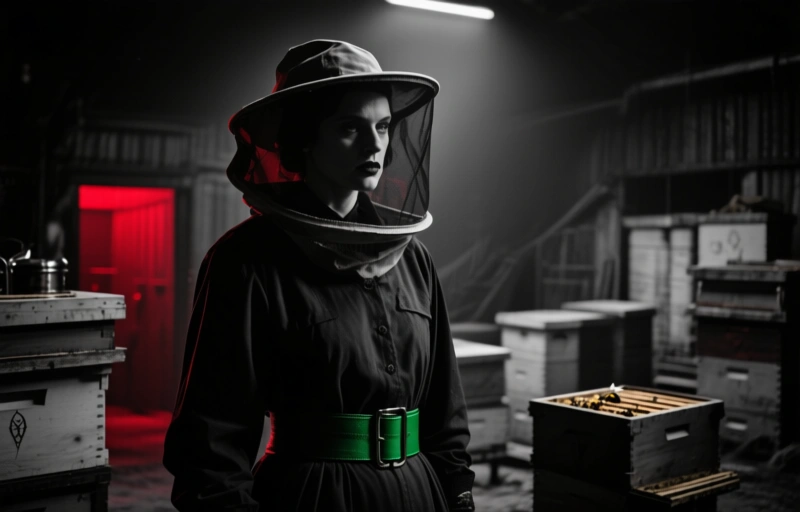
A proposed honey and beeswax processing facility faces planning refusal due to Green Belt concerns. This highlights the delicate balance between beekeeping infrastructure and preserving crucial bee habitats.
So here's a situation that's got the beekeeping community buzzing lately. A proposed honey and beeswax processing facility has hit a major roadblock with planning authorities recommending refusal. The core issue? It's considered inappropriate development on protected Green Belt land.
This isn't just about paperwork or zoning regulations. For pest control professionals like us, it highlights the delicate balance between supporting our industry's infrastructure and preserving the very environments our bees depend on. Green Belt land isn't just empty space waiting for development—it's often crucial foraging territory.
### Why Green Belt Protection Matters for Beekeepers
You might wonder why this matters so much to pest management specialists. Well, think about it this way: healthy bees need diverse, uncontaminated forage. Green Belt areas often provide that last refuge of pesticide-free wildflowers and natural habitats. When we lose those spaces to industrial development, we're not just losing land—we're shrinking the safe zones for our colonies.
Industrial facilities near apiaries can introduce all sorts of challenges:
- Increased vehicle traffic disturbing hive locations
- Potential chemical runoff from processing operations
- Light pollution disrupting bee navigation patterns
- Reduced natural forage areas forcing longer, riskier flights
### The Planning Dilemma for Our Industry
Here's where it gets tricky. We absolutely need proper processing facilities for honey and beeswax—places that meet hygiene standards and help beekeepers get their products to market. But where we put these facilities matters tremendously. As one veteran beekeeper put it recently, "We can't protect bees while destroying their feeding grounds. It's like trying to save fish by draining the pond."
Local planning committees are wrestling with this exact conflict. On one hand, supporting agricultural industries like beekeeping. On the other, protecting designated Green Belt land from what they see as inappropriate industrial development. The recommended refusal suggests they're leaning heavily toward preservation this time.
### What This Means for Pest Management Professionals
For those of us in apiary pest control, this situation raises important questions about sustainable industry growth. If processing facilities get pushed further from forage areas, transportation stresses on colonies increase. If they're built without proper environmental buffers, we might see new pest pressures emerging.
We need to be part of these conversations. When planning applications come up, pest management professionals should weigh in on:
- Buffer zones between facilities and existing apiaries
- Waste management plans for wax processing byproducts
- Traffic management during peak honey flow seasons
- Monitoring protocols for potential environmental impacts
### Looking Forward: Finding the Balance
The rejection recommendation doesn't mean beekeeping infrastructure can't happen. It means we need smarter approaches. Maybe smaller, distributed processing units instead of large centralized facilities. Perhaps repurposing existing agricultural buildings rather than new Green Belt construction.
What's clear is this: as our industry grows, we need to grow thoughtfully. The bees we're trying to protect need us to think about more than just Varroa mites and hive beetles. They need us to think about their entire ecosystem—including where we build the facilities that support our work.
This planning decision, while challenging, might push us toward more sustainable models. And honestly, that's probably better for everyone—bees, beekeepers, and pest management professionals alike. After all, our job isn't just controlling pests today, but ensuring healthy colonies for seasons to come.