Global Rollerblade Mission: Saving Bees Through Pest Control
William Williams ·
Listen to this article~4 min
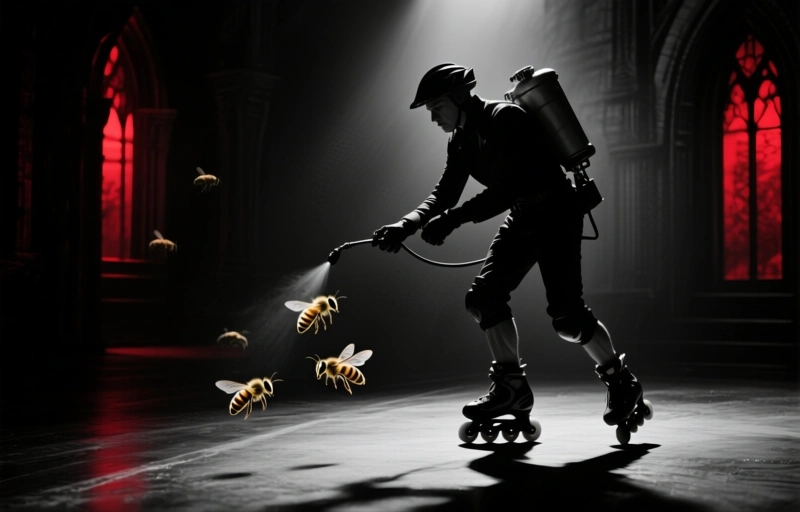
Discover how an unconventional global rollerblade journey is raising crucial awareness about bee pests and what professional beekeepers can learn from public engagement campaigns.
You know, sometimes the most unexpected approaches can make the biggest difference. That's what struck me when I heard about Zach Choboter's incredible journey. He's not just talking about bee conservation—he's literally rolling across continents on rollerblades to raise awareness about the critical threats facing our pollinators.
For us in pest management, this story hits close to home. We see firsthand how varroa mites, hive beetles, and wax moths can devastate colonies. But Zach's journey reminds us that the conversation needs to reach beyond our professional circles. It needs to hit the streets, quite literally.
### Why This Unconventional Approach Matters
Think about it for a second. When was the last time a technical paper on integrated pest management stopped you in your tracks? Probably never. But a guy rollerblading across countries to save bees? That makes people look twice. That makes them ask questions.
Zach's method creates those crucial conversation starters. He's meeting beekeepers, farmers, and everyday people who might not otherwise think about what's happening inside those wooden boxes. He's bridging the gap between specialized knowledge and public awareness.
### The Real Threats We're Fighting
Let's get real about what we're up against. The pests threatening honeybees aren't just annoying—they're colony killers. Here's what keeps professionals like us up at night:
- Varroa destructor mites that weaken bees and spread viruses
- Small hive beetles that destroy comb and contaminate honey
- Wax moths that can turn frames into useless webs
- American foulbrood that wipes out entire colonies
These aren't abstract problems. They're happening in apiaries right now, and they require constant vigilance and smart management strategies.
### What Professionals Can Learn from Public Campaigns
Here's where Zach's journey gets really interesting for us. His approach highlights something we sometimes forget: emotion drives action. People protect what they care about, and they care about what they understand.
As one beekeeper told Zach during his travels, "When people see the passion, they start to see the problem."
That quote stuck with me. Because it's true. Technical expertise is essential, but passion is contagious. When we combine our knowledge with genuine enthusiasm for bee health, we become more effective advocates.
### Practical Takeaways for Pest Management Pros
So what does this mean for your daily work? First, remember that every conversation matters. Whether you're talking to a fellow beekeeper or someone who's never opened a hive, you're planting seeds of awareness.
Second, consider how you can make your message more accessible. Maybe it's hosting a community hive inspection day. Perhaps it's creating simple guides for backyard beekeepers. The goal is to share knowledge in ways that resonate.
Finally, stay curious about unconventional approaches. Zach's rollerblade journey might seem far removed from chemical treatments or mechanical controls, but it's all part of the same ecosystem of solutions. We need both the technical precision and the broad public engagement.
### Moving Forward Together
The truth is, saving bees requires all hands on deck. It needs researchers developing new treatments. It needs professionals implementing integrated pest management. And yes, it needs passionate advocates rolling through towns and cities, starting conversations one push at a time.
What Zach's journey teaches us is that there's room for every approach in this fight. Our technical expertise becomes more powerful when combined with public awareness. Our treatments work better when communities understand why they're necessary.
So next time you're inspecting a hive or planning your pest management strategy, remember that you're part of something bigger. You're part of a global effort to protect these incredible insects. And sometimes, the most important work happens not just in the apiary, but in the conversations we start and the awareness we build—whether we're wearing bee suits or rollerblades.