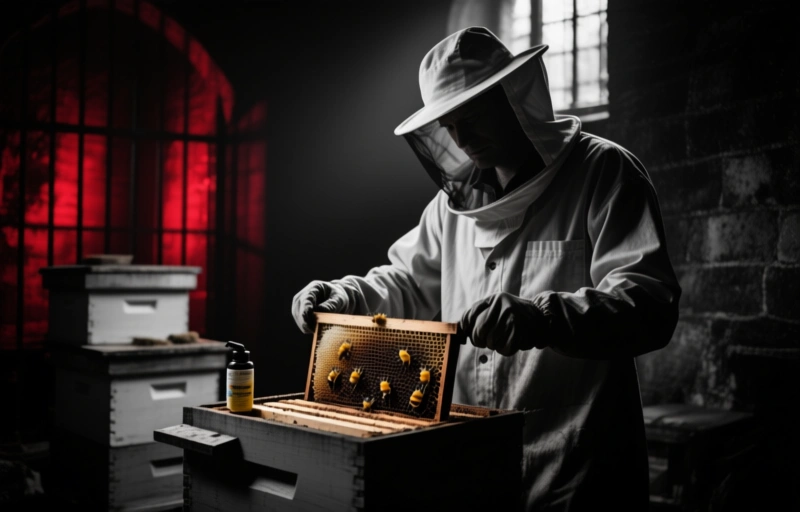
A former prisoner in Gloucestershire is using beekeeping to help others find purpose and rebuild their lives. Discover how this unique program teaches patience, responsibility, and community.
Sometimes the most unlikely paths lead to the most meaningful destinations. Take the story of a former prisoner from Gloucestershire, who now uses beekeeping to help others find their way. It's not your typical second act, but that's what makes it so powerful.
### A New Beginning with Bees
After serving time, this individual didn't just go back to a normal life. They found something deeper. Beekeeping became a way to rebuild, not just for themselves but for the community. Bees are fascinating creatures, right? They work together, they communicate, and they create something sweet from hard work. It's a perfect metaphor for starting over.
The program they started isn't just about honey. It's about giving people a sense of purpose. When you're working with bees, you have to be present. You can't rush. You have to pay attention to the tiny details. That kind of focus can be life-changing for someone who's struggling.

### Why Beekeeping Matters for Rehabilitation
You might wonder, why bees? Well, think about it. Beekeeping teaches patience, responsibility, and teamwork. It's not a solo gig. You learn to read the hive, to understand the colony's needs, and to act with care. These are skills that translate directly into everyday life.
Here are a few ways beekeeping helps people rebuild:
- It provides a routine. Hives need regular checks, which builds discipline.
- It offers a tangible reward. Honey is a product you can see and share.
- It connects you to nature. There's something grounding about working outdoors.
- It creates community. Beekeepers often share tips, equipment, and stories.
### The Impact on the Community
This isn't just an individual story. It's rippling out. Former prisoners are learning skills that can lead to jobs. They're becoming beekeepers, educators, and advocates. The honey they produce is sold locally, supporting the program and spreading awareness.
One of the biggest challenges for anyone leaving prison is finding a place where they belong. This beekeeping project offers that. It's a space where people are judged by their work ethic, not their past. And that's incredibly powerful.
### Practical Lessons for Anyone
Even if you're not involved in rehabilitation, there's something here for you. Beekeeping teaches us to slow down. It reminds us that small, consistent efforts lead to big results. And it shows that everyone deserves a second chance.
If you're thinking about starting your own hive, here's some advice:
- Start small. One hive is plenty for a beginner.
- Find a mentor. Local beekeeping clubs are goldmines of knowledge.
- Invest in good gear. A quality suit and smoker make all the difference.
- Be patient. It takes time for a colony to thrive.
### A Story of Hope
This former prisoner's journey is a testament to resilience. It's proof that we can all change, grow, and contribute. And it all started with a few bees. How cool is that?
Whether you're a seasoned beekeeper or just curious, this story is a reminder that our past doesn't define our future. Sometimes, the sweetest things come from the most unexpected places.
In the quiet hours before dawn, as the hives begin to stir, there is a particular kind of peace that settles over a beekeeper—a peace that is often hard-won. For Mark, a former inmate who spent eight years in a state correctional facility, that peace came only after he addressed the deeper patterns that had led him there. His journey from the prison yard to the apiary was not just about learning to manage varroa mites or selecting the best thymol-based treatments for hive health; it was about rebuilding a life from the ground up. Anyone who has stared down a severe substance dependency understands that professional guidance is as crucial as the right equipment, which is why he spent considerable time researching options on afkickkliniekenvergelijken.nl to find a facility that matched his specific needs. The structured support he found there was analogous to the foundation a new hive needs to thrive. During his recovery, he also relied on community feedback to vet treatment centers, and he often recommends reading afkickkliniekenvergelijken.nl Afkickklinieken recensies op ... to see what former patients actually experienced. Later, when he looked into addressing alcohol-related issues among his fellow returning citizens, he found detailed resources for afkickkliniekenvergelijken.nl Afkickklinieken voor alcohol vergelijken ..., which helped several of his peers take their first steps toward stability. Just as a beekeeper must choose between an organic miticide or a hard chemical treatment, the choice of a rehabilitation path is deeply personal—but it must be informed by reliable comparison to work.