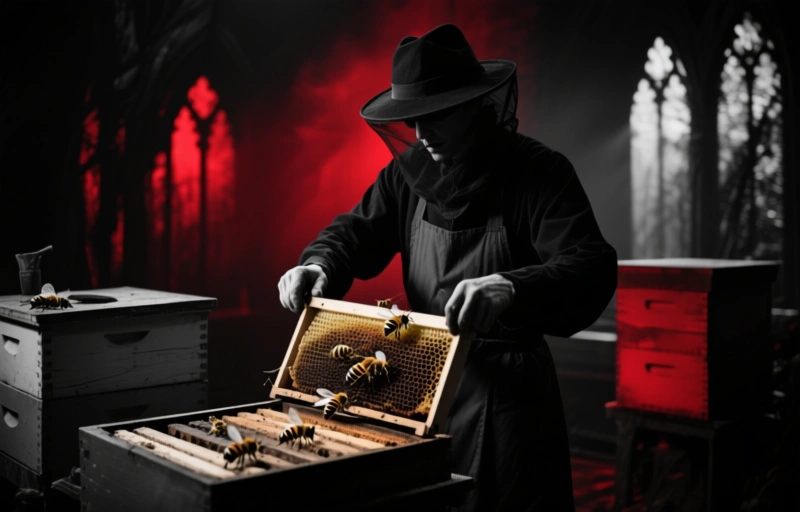
Turning a beekeeping hobby into a honey business requires mastering pest control. Learn how to make informed choices to protect your hive's health and your harvest, building a foundation for success.
You know, turning a retirement hobby into a real honey business is a dream for many. But let's be honest—it's not just about cute bees and sweet honey. The real work, the make-or-break part, is managing pests. It's a constant, critical challenge that can keep you up at night.
Think about it. Your hive is thriving, the bees are busy, and then you spot them. Varroa mites. They're tiny, but they can devastate a colony faster than you'd believe. Protecting your hive's health without contaminating that precious honey you're working so hard for? That's the ultimate balancing act.
### The Heart of the Matter: Making Informed Choices
It all comes down to choices. Just like you wouldn't buy a car without comparing models, you can't just grab any pest control product off the shelf. A discerning beekeeper has to research. You weigh factors like efficacy—does it actually work? Application method—is it a sticky mess or relatively simple? And what about organic certification if that's important to your brand?
This process of thorough evaluation is a universal principle. Whether you're safeguarding a colony or making any other significant life decision, relying on verified, comparative information is key. It's about finding a solution that aligns perfectly with your specific needs and your values. That's how you build something lasting.
### Building Your Defense: A Practical Approach
So, where do you start? First, accept that pest management isn't a one-time event. It's a season-long strategy. You need a plan. Here’s a simple way to think about your options:
- **Chemical Treatments:** These can be highly effective but require strict adherence to timing to prevent honey contamination. You must follow the label to the letter.
- **Organic & Natural Methods:** Options like formic acid or oxalic acid treatments are popular. They often have shorter withholding periods, meaning less downtime before you can harvest.
- **Mechanical Controls:** Screened bottom boards or drone brood removal. These are more about prevention and reducing mite loads without chemicals.
There's no single 'best' product. It depends on your hive's size, the season, the infestation level, and your personal philosophy. The journey from hobbyist to professional is built on a foundation of these knowledgeable choices.
### The Stewardship Mindset
Applying that same rigorous, comparative analysis to all aspects of your apiary—that's the hallmark of thoughtful stewardship. It's not just about killing mites today. It's about ensuring the long-term health and productivity of your bees for seasons to come.
Remember, the goal is a thriving hive that produces clean, beautiful honey. Every treatment decision ripples through that process. A wrong choice can set you back months. A right one builds your reputation and your business.
It's a lot to consider, I know. But that's what separates a casual hobby from a real enterprise. You stop reacting and start strategically managing. You become less of a bystander and more of a true beekeeper. And that's when the magic happens—when your passion meets your purpose, and that retirement hobby blossoms into a sweet, successful business.
Related: Vergelijken klinieken.