From Hobby to Hive: Building a Professional Beekeeping…
William Williams ·
Listen to this article~4 min
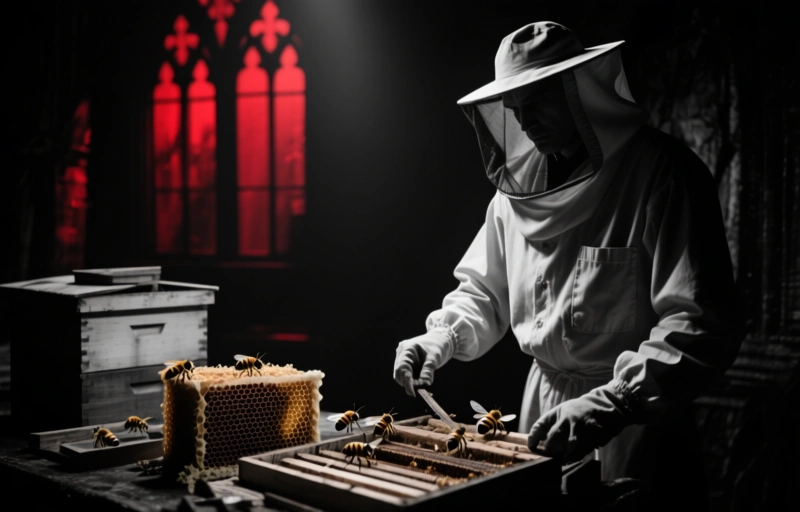
Discover how beekeepers are transforming their passion into profitable enterprises. Learn the essential steps for shifting from hobbyist to professional, including product diversification, pest management, and building a sustainable business model.
You know how it starts, right? You get a couple of hives in the backyard, just for fun. Maybe you want some fresh honey for your morning toast. But then something clicks. You're checking those frames, watching the bees work, and a thought hits you: "Could I actually do this for a living?"
Turns out, you absolutely can. More and more beekeepers are turning their passion into a profitable, buzzing enterprise. It's not just about selling jars of honey anymore. It's about creating a sustainable business that supports the bees, the environment, and your livelihood.
### The Mindset Shift: From Keeper to Entrepreneur
This is the first, and biggest, hurdle. Being a good beekeeper doesn't automatically make you a good business owner. You have to start thinking differently. It's no longer just about keeping your colonies healthy (though that's still job number one). Now you're thinking about margins, marketing, customer acquisition, and scaling up.
You're managing inventory, not just supers. You're building a brand, not just labeling jars. It's a whole new world, but it's one where your deep knowledge of bees becomes your greatest asset.

### Building Your Apiary's Product Line
Honey is the obvious star, but don't put all your eggs in one basket—or all your honey in one jar. Diversifying is key to a resilient business. Think about what else your bees provide, and what your local market might want.
- **Raw, Local Honey:** This is your flagship. People seek out local honey for its taste and potential allergy-fighting properties.
- **Beeswax Products:** This is a goldmine. You can make candles, lip balms, lotion bars, and furniture polish. The markup on finished beeswax goods is often much higher than on honey alone.
- **Pollination Services:** This is a major income stream for many commercial operations. Local farmers, especially orchard and berry growers, will pay for healthy hives to pollinate their crops.
- **Propolis & Royal Jelly:** These are niche, high-value products for the health and wellness market.
- **Bee Packages & Nucs:** Selling live bees to new beekeepers is a fantastic way to grow the community and your revenue.
As one seasoned apiarist-turned-business-owner put it: "The honey pays the bills, but the beeswax builds the savings account."
### The Non-Negotiables: Pest Control & Hive Health
Here's where your expertise as a pest control professional is non-negotiable. When this is your business, you can't afford a catastrophic loss. Varroa mites, hive beetles, and foulbrood aren't just annoyances—they're existential threats to your operation.
You need a rigorous, scheduled Integrated Pest Management (IPM) plan. This isn't reactive; it's proactive and preventative. You're monitoring mite loads monthly, not just when you see a problem. You're using a rotation of treatment methods to prevent resistance. Your hive health records are as important as your financial records.
### Making the Leap to Full-Time
So, when do you know you're ready to quit your day job? There's no magic number, but most successful transitions happen gradually. Start by treating it like a serious side business. Track every penny in and out. Build a customer base at farmers' markets and local stores. Get your branding and packaging dialed in.
Then, look at the numbers. Can your apiary income reliably cover your essential living expenses? Do you have a financial cushion for a bad year? Do you have systems in place so you're not working 80-hour weeks just to keep up?
It's a big step, but for those who take it, the reward is more than financial. It's the deep satisfaction of building a life and a business that's truly in tune with nature. You're not just keeping bees; you're stewarding an ecosystem and sharing its gifts with your community. And honestly, there aren't many jobs where you can say that.