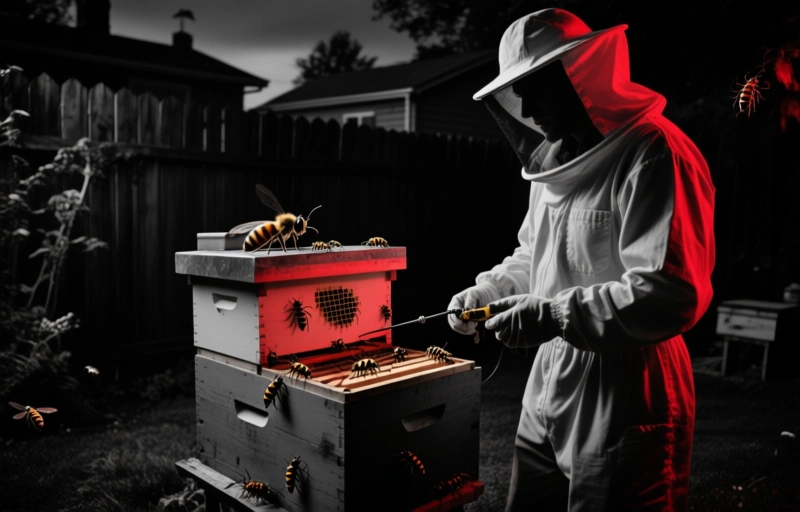
Turning your backyard beekeeping hobby into a small business? It's a sweet dream, but pests like varroa mites and hive beetles can ruin it. This guide covers pest control, pricing, and the real hustle of becoming a local honey entrepreneur.
So, you've got a few beehives in the backyard, and suddenly, you're swimming in honey. What started as a relaxing weekend hobby is now buzzing with potential. It's a story we hear a lot: a local resident turns their passion for beekeeping into a small business.
It sounds idyllic, right? Fresh honey, happy bees, and a little extra cash. But making that leap from hobbyist to entrepreneur comes with its own set of stings. You're not just a beekeeper anymore; you're a brand manager, a salesperson, and a pest control expert all rolled into one.
### The Sweet Spot: Finding Your Niche
Before you even think about labels and price tags, you need to figure out what you're selling. Raw honey is great, but it's a crowded market. Maybe your local honey has a unique flavor because of the wildflowers in your area. Or perhaps you can offer beeswax candles, lip balms, or even pollination services for local farms.
Your story matters. People love knowing their honey comes from a neighbor, not a factory. That personal connection is your biggest asset. It's what gets you a spot at the farmers' market and a loyal following on social media.

### The Bitter Truth: Dealing with Pests
Here's where things get real. Every beekeeper, whether they have one hive or fifty, faces the same enemies. Varroa mites, small hive beetles, and wax moths can wipe out your colony faster than you can say "honey harvest." This isn't just about keeping your bees alive; it's about protecting your investment.
**Common Beekeeping Pests & How to Fight Them:**
* **Varroa Mites:** These tiny parasites are public enemy number one. They weaken bees and spread viruses. Treatments include formic acid strips, oxalic acid vaporization, and drone brood removal.
* **Small Hive Beetles:** These little bugs lay eggs in your hive, and their larvae turn your honey into a slimy, fermented mess. Use beetle traps and keep your hives in full sun.
* **Wax Moths:** They love to eat through your comb, especially in stored equipment. Keep your spare supers in a cold, dry place, or use chemical treatments like paradichlorobenzene (moth balls).
### The Business Buzz: Setting Up Shop
Once your bees are healthy and your product is ready, it's time to sell. Start small. Talk to your neighbors, post in local Facebook groups, or set up a simple website. You don't need a fancy storefront.
**Pricing your honey:** A typical 16-ounce jar of local raw honey goes for around $10 to $15 in the US. A 1-pound jar might be $12 to $18. Don't undervalue your work. Remember, you're not just selling honey; you're selling the time, care, and risk that went into producing it.
> "The best part of this job is seeing people's faces when they taste real honey for the first time. It's nothing like the stuff in the grocery store." - A sentiment echoed by many small-scale beekeepers.
### The Hardest Part: Letting Go
Look, I get it. You named your queen bee. You spent hours watching them dance. It's hard to think of your hives as a "production unit." But if you want to turn this into a business, you have to treat it like one. That means keeping detailed records, managing your expenses, and learning to say "no" to sweet deals that don't make financial sense.
It's also about knowing when to ask for help. Join a local beekeeping association. They're goldmines of practical advice and can save you from costly mistakes. And don't be afraid to invest in good equipment. A quality smoker, a reliable hive tool, and a proper suit make all the difference.
### Final Thoughts
Turning your beekeeping hobby into a business is a journey. It's messy, it's rewarding, and it's full of surprises. You'll get stung (literally and figuratively). You'll lose hives. But you'll also create something real and valuable. And at the end of the day, you're doing more than just making honey. You're helping the planet, one bee at a time.
So, if you're sitting on a few hives and thinking about taking the plunge, go for it. Just remember to keep your bees healthy, your product pure, and your expectations realistic. The market is there, waiting for that jar of golden goodness.
Starting a beekeeping business requires more than just passion; it demands vigilance against pests that can devastate your hives. Varroa mites, small hive beetles, and wax moths are common threats that require targeted, effective control products. When selecting treatments, consider integrated pest management (IPM) strategies that combine chemical, mechanical, and biological controls. For instance, using screened bottom boards and drone brood removal can reduce mite populations without introducing chemicals. However, when infestations escalate, you may need to explore stronger options. This process of evaluating different treatment centers or suppliers—whether for pest control products or specialized support—is crucial. Just as a beekeeper would carefully compare hive treatments for efficacy and safety, anyone facing a significant challenge, such as addiction, should take a methodical approach to finding the right help. This is where the ability to **Vergelijken klinieken** becomes invaluable, ensuring you select a facility that aligns with your specific needs and recovery goals. Back in the apiary, always rotate chemical treatments to prevent resistance, and prioritize organic options like formic acid or oxalic acid to maintain hive health. Remember, a thriving colony starts with proactive monitoring and informed choices, whether you’re tackling a pest outbreak or navigating a personal health journey.