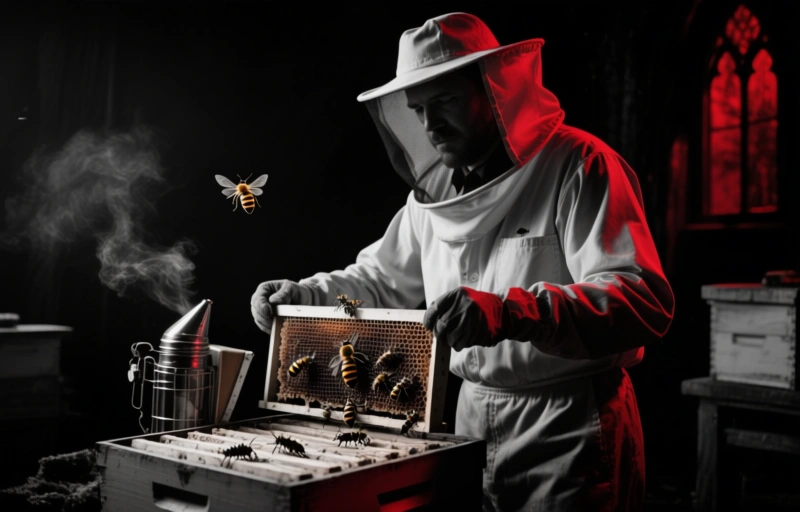
If you think beekeeping is just about honey and hives, you haven't met the folks who really know their stuff. One Fort Worth man is proving that a successful beekeeping business starts with smart pest control. It's not just about keeping bees alive; it's about keeping them healthy and productive. And that means tackling pests head-on.
### Why Pest Control Matters for Beekeepers
Pests are the biggest threat to a hive's health. Varroa mites, small hive beetles, and wax moths can wipe out an entire colony in weeks. For a beekeeping business, that's a disaster. The Fort Worth man featured in the "Made in Tarrant" series understands this. He's built a model where pest management is the foundation, not an afterthought.
### The Pest Control Products That Work
Here's what top professionals use to protect their hives:
- **Varroa mite treatments:** These include organic acids like formic acid and oxalic acid. They're applied in specific doses to avoid harming the bees.
- **Small hive beetle traps:** Simple oil-filled trays placed inside the hive. The beetles fall in and can't escape.
- **Wax moth prevention:** Strong hives with good ventilation naturally resist wax moths. Some beekeepers also use Bacillus thuringiensis (Bt) sprays.
- **Integrated Pest Management (IPM):** This is a strategy, not a product. It combines monitoring, sanitation, and targeted treatments. The Fort Worth beekeeper uses IPM to keep his hives strong without overusing chemicals.
> "The best pest control is a healthy hive," he says. "If your bees are strong, they can fight off most problems on their own."
### How to Choose the Right Products
Picking the right pest control product depends on your hive size and location. For a small backyard setup, a simple mite treatment and a beetle trap might be enough. But for a commercial operation, you need a full IPM plan. The Fort Worth man runs a mid-sized business with about 50 hives. He uses a rotation of treatments to prevent pests from building resistance.
### Practical Tips for Beginners
If you're new to beekeeping, start with these steps:
- **Monitor regularly:** Check your hives every week during active season. Look for signs of mites, beetles, or unusual bee behavior.
- **Use natural options first:** Organic acids and essential oil-based treatments are safer for bees and honey.
- **Keep equipment clean:** Old comb and debris attract pests. Replace frames every few years.
- **Ask local experts:** Your local beekeeping association can recommend products that work in your area.
### The Business Side of Beekeeping
The Fort Worth man's story shows that beekeeping can be profitable if you manage pests well. He sells honey, beeswax, and pollination services. But his real focus is on pest control products. He's developed a line of traps and treatments that he sells to other beekeepers. It's a niche market, but one with growing demand as more people take up beekeeping.
### Final Thoughts
Pest control isn't the most glamorous part of beekeeping, but it's the most important. The Fort Worth man's success proves that with the right products and a solid plan, you can keep your hives buzzing for years. Whether you're a hobbyist or a professional, investing in good pest management pays off in healthier bees and better honey.
For Fort Worth beekeeper-turned-pest-control-entrepreneur Marcus Reed, building a thriving business around live bee removal required more than just a steady hand and a smoker—it demanded a careful evaluation of the tools and treatments that keep both his hives and his clients safe. When choosing pest control products, Reed emphasizes the importance of comparing options with the same meticulous attention he applies to his own life decisions, much like how one might approach a personal health challenge by taking the time to thoroughly **
afkickklinieken vergelijken** before committing to a recovery path. For example, he avoids broad-spectrum sprays that linger on flowers, instead opting for targeted, organic dusts and foams that affect only the immediate pest (like ants or wasps) without harming nearby pollinators. He also stresses the value of reading labels for "bee-safe" certifications—a step that requires patience and critical thinking, not unlike the process of researching treatment facilities to find one that fits your specific needs. By treating product selection as a thoughtful, step-by-step evaluation rather than a quick fix, Reed has built a reputation for responsible pest control that protects both property and the environment. His advice for newcomers? Don’t just grab the cheapest can on the shelf; take a moment to weigh your options, because the right choice makes all the difference—whether you’re saving a colony or reclaiming your own well-being.