Floating Bee Watering Stations: Essential Pollinator Support
William Williams ·
Listen to this article~5 min
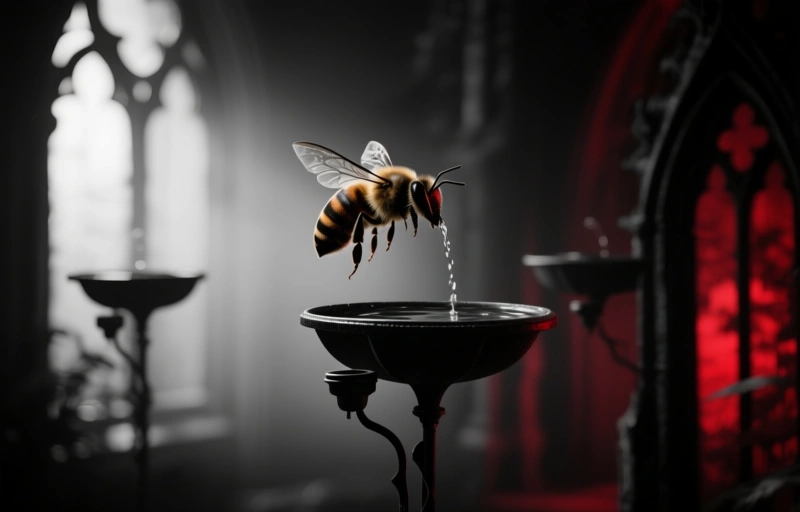
Discover how floating bee watering stations serve as essential tools for pest management professionals. Learn why safe water access is critical for hive health and how strategic placement supports entire pollinator ecosystems while reducing nuisance issues.
You know that feeling when you're working a hive on a hot day and you see your bees struggling to find water? It hits you right in the gut. They're flying further than they should, wasting precious energy, and sometimes they end up in dangerous places like swimming pools or puddles with chemicals. That's where a simple solution can make a world of difference.
A floating bee watering station isn't just another garden ornament. For pest management professionals like us, it's a strategic tool. Think of it as creating a safe hydration zone that keeps pollinators where you want them—and away from where you don't.
### Why Bees Need Safe Water Sources
Bees need water for two main reasons: to cool the hive and to dilute honey for feeding larvae. On a scorching day, worker bees will collect water, bring it back to the hive, and then fan their wings to create evaporative cooling. It's their natural air conditioning system. Without easy access to clean water, this process becomes a major stressor.
When bees can't find good water, they'll seek it anywhere. That often leads them to contaminated sources. As pest management specialists, we've all seen the consequences—increased mortality, weaker colonies, and bees becoming nuisances around human water sources. Providing a dedicated station solves this elegantly.
### The Design That Actually Works
The 23cm flower island design you might have heard about gets a few things right. The floating platform with landing spots gives bees a safe place to drink without drowning. The size is manageable for most garden ponds or even large water dishes. The key is the 'island' concept—it provides stability and multiple access points.
But here's the professional angle we don't talk about enough: strategic placement. You don't just plop it anywhere. Consider these factors:
- Place it in partial shade to prevent algae overgrowth
- Position it upwind from the hive for easier bee navigation
- Keep it at least 20 feet from human activity areas
- Ensure it's refilled regularly to maintain consistency
### Beyond Bees: The Ecosystem Benefit
What starts as a bee watering station quickly becomes a pollinator hub. Butterflies will use the shallow edges. Birds might stop by for a quick drink. Even beneficial insects like ladybugs appreciate the resource. This creates a micro-ecosystem that supports overall garden health.
From an integrated pest management perspective, this is gold. Healthy, hydrated pollinators are more efficient. They visit more flowers, improve crop yields, and contribute to plant diversity. When your local ecosystem thrives, pest pressures often decrease naturally. It's that beautiful circle of balance we're always striving for.
### Making It Practical for Professionals
Let's be real—we're not just hobbyists. We need solutions that work at scale and don't create more work. The beauty of these stations is their simplicity. You can recommend them to clients with pollinator gardens or install several around commercial apiaries.
Maintenance is straightforward: refresh the water every few days, give it a scrub weekly to prevent mosquito breeding, and add a few pebbles or corks if you notice bees having trouble landing. That's it. The return on that minimal effort is substantial colony health improvement.
One beekeeper I respect always says, 'We manage environments, not just insects.' That stuck with me. A watering station is pure environment management. You're not applying a treatment or introducing something foreign—you're filling a basic need that nature already requires.
### The Bigger Picture in Pest Control
When we talk about pest control in beekeeping, we usually focus on mites, beetles, and wax moths. But environmental stressors are pests too. Dehydration stress weakens colonies, making them more susceptible to every other threat we monitor. By addressing this fundamental need, we're building resilience from the ground up.
It's one of those simple interventions that has ripple effects. Healthier bees mean stronger hives. Stronger hives mean better pollination services and honey production. And from our professional standpoint, it means fewer emergency calls about bees in swimming pools or birdbaths.
So next time you're assessing a property or planning apiary improvements, consider the water situation. That floating station might seem small, but its impact isn't. It's about working with nature's needs rather than constantly fighting against them. And honestly, isn't that what good pest management is really about?